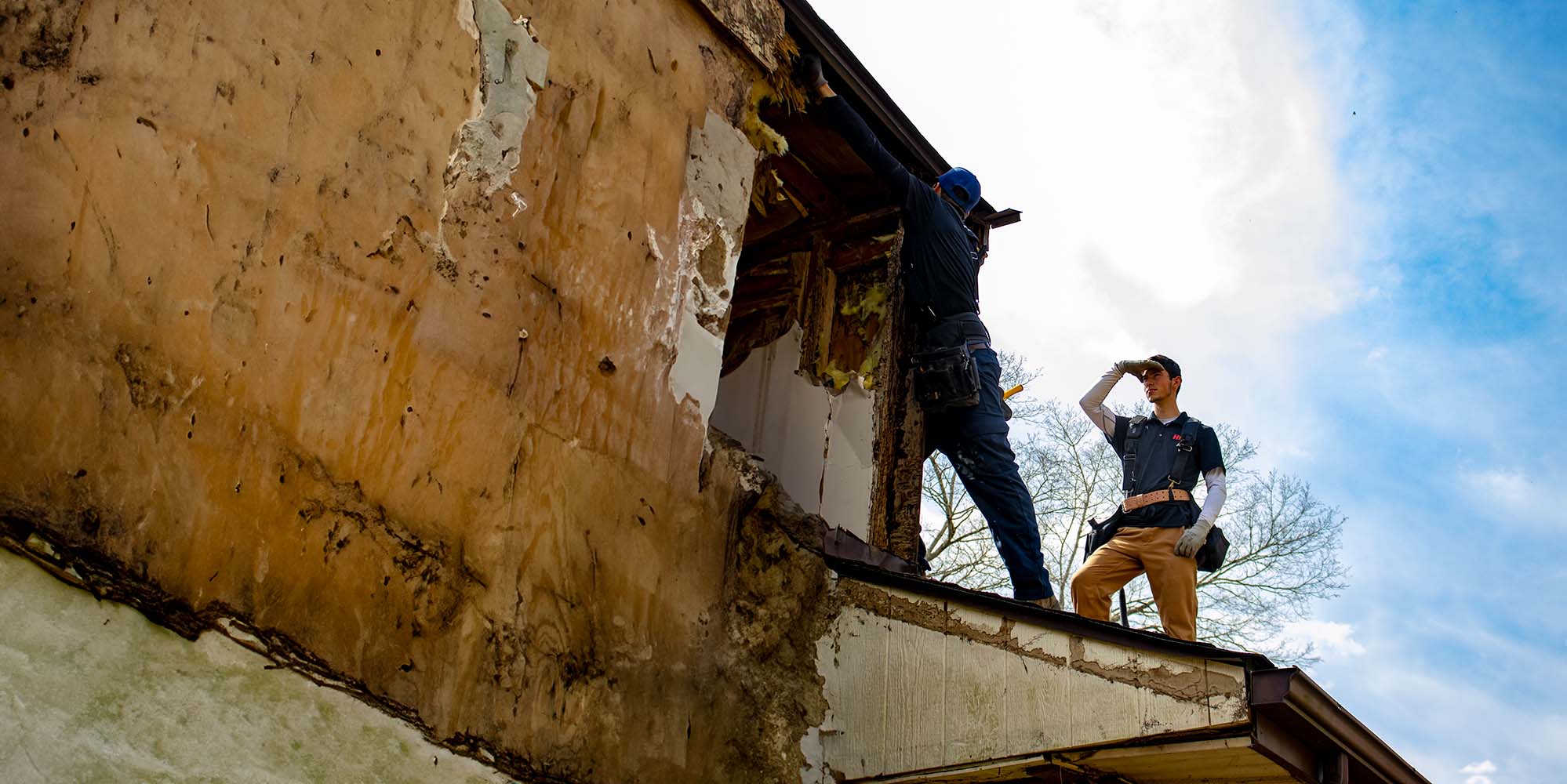

Storm Damage Restoration
Your trusted partner for professional home services. Quality workmanship, guaranteed satisfaction.

Storm Damage Restoration | Roofing | Johnson City
When high winds, pounding hail, or driving rain roll across Johnson City, your roof is the first line of defense—and HEP is the local team that brings it back stronger than before. Our certified crews arrive fast, document every detail for your insurance claim, and get to work with premium shingles and industry-leading repair techniques. From missing tabs to full tear-offs, we tackle storm damage of any size while treating your home like our own—clean sites, clear communication, no surprises.
Homeowners choose HEP because we’re rooted in East Tennessee and stand behind every roof with transparent pricing, iron-clad warranties, and 24/7 emergency response. Call today for a free, no-pressure inspection and see why neighbors trust us to restore their peace of mind—one shingle at a time.
What Our Customers Say


Introduction to Storm Damage Roofing in Johnson City
Storm season in Johnson City brings a mix of driving rain, high winds, and sudden hail that can compromise even the most resilient roofing systems. Home and business owners often discover missing shingles, dented flashing, and water stains long after the storm clouds pass. HEP specializes in roofing storm damage restoration tailored to the micro-climates of the Appalachian region. By combining advanced diagnostics, premium materials, and meticulous craftsmanship, the team safeguards properties from further deterioration while restoring full structural integrity.
Unique Weather Challenges in Johnson City and Their Impact on Roofs
Nestled in the foothills of East Tennessee, Johnson City experiences rapid temperature fluctuations, heavy precipitation, and powerful wind shear. Each of these factors influences how storm damage manifests:
- Afternoon thunderstorms can dump several inches of rain in minutes, exploiting tiny vulnerabilities in shingles or flashing.
- Mountain-generated wind tunnels occasionally exceed 60 mph, ripping off ridge caps and lifting roofing nails.
- Spring hailstorms leave pockmarks that accelerate granular loss on asphalt roofs.
- Winter freeze-thaw cycles cause ice dams, forcing water beneath underlayment layers.
Because the local climate shifts quickly, small openings can turn into large leaks overnight, underscoring the importance of swift, professional restoration.
Common Types of Storm Damage
HEP’s inspectors routinely encounter a spectrum of storm-related roof issues across Johnson City neighborhoods:
- Shingle bruising or tearing from hail impact
- Creased or curled tabs caused by sustained wind uplift
- Dislodged flashing at chimneys, skylights, and vent pipes
- Punctures from falling limbs or flying debris
- Saturated decking resulting from prolonged rainfall
- Granule accumulation in gutters, signaling protective layer loss
Understanding these problem categories allows property owners to recognize red flags early and schedule remedial work before moisture infiltrates attic insulation or drywall.
Why Timely Restoration Matters
A small leak may appear inconsequential, yet water intrusion sets off a chain reaction of structural and health hazards:
- Mold colonies flourish within 24–48 hours on damp wood or insulation.
- Compromised sheathing weakens truss systems, undermining load-bearing capacity.
- Electrical wiring exposed to moisture presents shock and fire dangers.
- Diminished R-value in wet insulation increases heating and cooling costs.
Prompt action through a qualified provider like HEP minimizes these cascading effects and preserves the life expectancy of the entire building envelope.
HEP’s Comprehensive Roofing Storm Damage Restoration Approach
Initial Inspection and Assessment
HEP deploys certified roofing specialists equipped with drones, infrared cameras, and moisture meters to map damage not always visible from ground level. Findings are compiled into a detailed report that pinpoints:
- Shingle displacement patterns
- Sub-surface moisture concentrations
- Ventilation deficiencies contributing to premature aging
- Underlayment breaches
Documentation for Insurance Claims
Accurate records streamline claims, reducing administrative delays. HEP’s team photographs every impact point, annotates measurements, and provides itemized material lists, ensuring adjusters have definitive proof of storm-related impairment.
Emergency Mitigation Measures
Where active leaks threaten interior assets, technicians install temporary coverings such as shrink-wrap membranes or weighted tarps. These stopgap solutions prevent ceiling collapse and mold proliferation while permanent repairs are scheduled.
Advanced Restoration Techniques
HEP integrates time-tested craftsmanship with modern technology:
- Nail-gun calibration prevents over-driving fasteners that can void manufacturer warranties.
- Self-adhering synthetic underlayments create secondary water barriers.
- Ridge-vent reinstallation follows precise airflow calculations, improving attic ventilation and prolonging shingle life.
- Impact-resistant shingles rated for UL 2218 Class 4 hail protection reduce future repair frequency.
Quality Assurance and Final Walk-Through
Upon completion, supervisors re-inspect the roof, checking nail patterns, sealant application, and flashing alignment. Homeowners receive a maintenance roadmap outlining seasonal tasks to keep the system in peak condition.
Roofing Materials Suited for Johnson City’s Climate
Asphalt Shingles
These remain a regional staple due to affordability and adaptability. HEP offers architectural and designer profiles engineered with fiberglass mats for enhanced wind resistance up to 130 mph. Integrated algae-inhibiting granules prevent black streaking in humid summers.
Metal Roofing
Standing-seam panels and stone-coated steel tiles excel under heavy rainfalls. Reflective pigment technology lowers attic temperatures, while concealed fastener systems guard against wind-driven rain. HEP’s crews are factory-trained in hemmed edges and floating clips that allow thermal movement without compromising watertight seals.
Synthetic and Composite Options
Polymer-based shakes and slate replicas deliver the aesthetic of natural materials at a fraction of the weight. Their high impact ratings make them suitable for hail-prone areas around Buffalo Mountain and Piney Flats. UV inhibitors maintain color stability despite intense sun exposure on southwest-facing slopes.
Signs Your Roof Needs Immediate Attention After a Storm
Johnson City residents can perform a ground-level check using binoculars or schedule a professional evaluation if any of the following are observed:
- Dark patches where granules have washed away
- Hip or ridge shingles that appear lifted or cracked
- Water stains on soffits or interior ceilings
- Sagging gutter lines full of shingle granules
- Debris piles near downspouts, indicating dislodged roofing material
- Daylight visible through attic boards following high winds
Even if damage seems minor, underlying issues often lurk beneath the surface layers.
The Insurance Claim Process Simplified
Navigating policy language can overwhelm property owners. HEP provides step-by-step guidance:
- Policy Review: Clarify coverage limits for wind, hail, and water intrusion.
- Loss Notification: File a claim promptly to meet carrier deadlines.
- Joint Inspection: Schedule an adjuster visit with an HEP representative present to verify all damage is documented.
- Scope Agreement: Compare carrier estimates with the contractor’s itemized list, ensuring code-required upgrades are included.
- Restoration Execution: HEP completes approved repairs, providing completion documents for final claim disbursement.
This collaborative methodology reduces out-of-pocket surprises and accelerates project completion.
Environmental and Energy Benefits of Professional Restoration
Beyond preventing leaks, a properly restored roof offers tangible eco-advantages:
- Cool-roof coatings reflect solar radiation, lowering HVAC loads during humid Tennessee summers.
- Recycled metal content decreases reliance on virgin materials, supporting regional sustainability goals.
- Improved insulation and air sealing reduce greenhouse gas emissions from energy consumption.
- Corrected ventilation balances attic temperatures, mitigating ice dams that waste heating energy.
HEP selects Energy Star-rated components where feasible, aligning environmental stewardship with long-term utility savings.
Preventive Strategies to Reduce Future Storm Damage
Regular Maintenance Programs
Seasonal inspections catch small issues before they become emergencies. Recommended tasks include:
- Clearing organic debris from valleys and gutters to ensure unobstructed water flow.
- Tightening exposed fasteners on metal flashings.
- Re-sealing penetrations such as satellite brackets with elastomeric compounds.
- Evaluating attic humidity to preempt condensation-related rot.
Upgraded Ventilation and Insulation
Balanced intake and exhaust systems maintain consistent attic temperatures, reducing thermal shock on shingles and preventing moisture buildup. HEP’s airflow calculations follow International Residential Code requirements, factoring in ridge length, soffit vents, and roof pitch.
Gutter and Drainage Improvements
Properly pitched gutters and oversized downspouts channel water away from foundations. Leaf guards minimize clogging, and splash blocks disperse runoff to prevent soil erosion near basement walls.
Why Homeowners in Johnson City Trust HEP for Storm Damage Restoration
Local Expertise and Code Compliance
HEP’s familiarity with Washington County building regulations ensures every repair meets or exceeds ordinance requirements, from ice-shield application along eaves to wind-resistant nailing patterns dictated by local wind speed maps.
Certified Technicians and Ongoing Training
Roofing professionals complete manufacturer certification programs and OSHA safety courses. Continuous education on evolving material science, tool advancements, and installation protocols guarantees workmanship remains state-of-the-art.
Commitment to Sustainable Practices
Job sites feature recycling stations for metal scraps, shingle tear-offs, and cardboard packaging. Low-VOC adhesives and sealants improve indoor air quality during and after construction.
Step-By-Step Guide to HEP’s Restoration Workflow
- Client Consultation: Establish project goals, scheduling preferences, and aesthetic considerations.
- Detailed Inspection: Leverage drone imagery and hands-on evaluation to capture a full damage profile.
- Proposal Development: Outline material options, timelines, and warranty coverage.
- Material Delivery: Coordinate logistics to minimize disruption to daily routines.
- Tear-Off and Disposal: Use magnetic rollers and tarps to protect landscaping and collect debris.
- Deck Repair: Replace compromised sheathing with code-approved plywood or OSB.
- Underlayment Installation: Apply ice-shield membranes along eaves and valleys, followed by synthetic layers for additional water resistance.
- Flashing and Ventilation Upgrades: Install new drip edge, step flashing, and ridge vents.
- Shingle or Panel Placement: Follow manufacturer alignment guides and fastening schedules.
- Cleanup and Magnet Sweep: Remove all debris and verify no stray nails remain on lawns or driveways.
- Final Inspection and Documentation: Provide photographic evidence of finished work and warranty details.
Safety Protocols Followed on Every Job Site
HEP upholds rigorous safety standards to protect occupants, neighbors, and technicians:
- Personal fall-arrest systems with anchored lifelines on roof slopes exceeding 4:12.
- Daily tool and equipment inspections to identify defects before use.
- Clearly marked exclusion zones around drop zones to keep bystanders safe.
- Weather monitoring to halt work during lightning or wind advisories.
- Dust containment measures when cutting decking, preserving indoor air quality.
Addressing Interior Damage Linked to Roofing Issues
Storm-induced roof breaches often translate into interior problems such as damp insulation, sagging ceilings, and peeling paint. HEP integrates restoration services that extend beyond the roofline:
- Removal of saturated drywall and insulation to eliminate mold risk.
- Dehumidification to return indoor humidity levels to baseline.
- Reinstallation of vapor barriers and fresh insulation once the roof envelope is sealed.
- Finish carpentry and paint matching to restore living spaces to pre-loss condition.
By coordinating exterior and interior repairs, the team ensures a seamless, comprehensive restoration.
Roofing Storm Damage Myths Debunked
Misconceptions can delay crucial repairs and inflate costs. Among the most common myths:
- “Small hail can’t damage my roof.” Even pea-sized hail can loosen granules and hasten UV degradation.
- “If there’s no leak, the roof is fine.” Wind lifting may break the adhesive seal, setting the stage for future water intrusion.
- “Roofing warranties cover all storm damage.” Manufacturer warranties typically exclude impacts from extreme weather unless specific impact-resistant products were installed.
- “I should wait to file an insurance claim until I see interior damage.” Most policies require prompt reporting, and delayed claims risk partial or full denial.
Dispelling these myths empowers homeowners to act decisively and protect their investments.
Hidden Structural Complications Uncovered During Restoration
While surface-level issues capture immediate attention, storms can trigger or expose deeper structural deficiencies that remain invisible until the roof covering is removed. HEP technicians systematically trace the path of water migration, often finding collateral deterioration that predates the latest weather event but now threatens overall safety.
Unseen problems commonly include:
- Hairline fractures in rafters caused by repeated wind flexing
- Corroded truss plates weakening load transfer points
- Delaminated plywood sheathing where long-term humidity has broken down resins
- Mastic failure around chimney crowns permitting capillary water entry
- Compressed or rodent-disturbed insulation reducing thermal performance
- Hidden wasp nests or carpenter ant galleries exploiting moist wood fibers
Long-Term Risks of Unaddressed Structural Deterioration
Neglecting these secondary findings can convert a straightforward reroof into a full-fledged structural rehabilitation within a few seasons. Rotten sheathing spreads, forcing wider deck replacement; compromised fastener pullout strength allows nails to back out under uplift; and sagging rafters distort roofing planes, creating ponding areas that accelerate membrane decay. By integrating structural corrections into the initial restoration plan, HEP prevents piecemeal repairs, restores design load capacity, and extends the service life of the entire roofing assembly.
Proudly Serving Our Community
Find your local experts in your neighborhood. We're just around the corner.