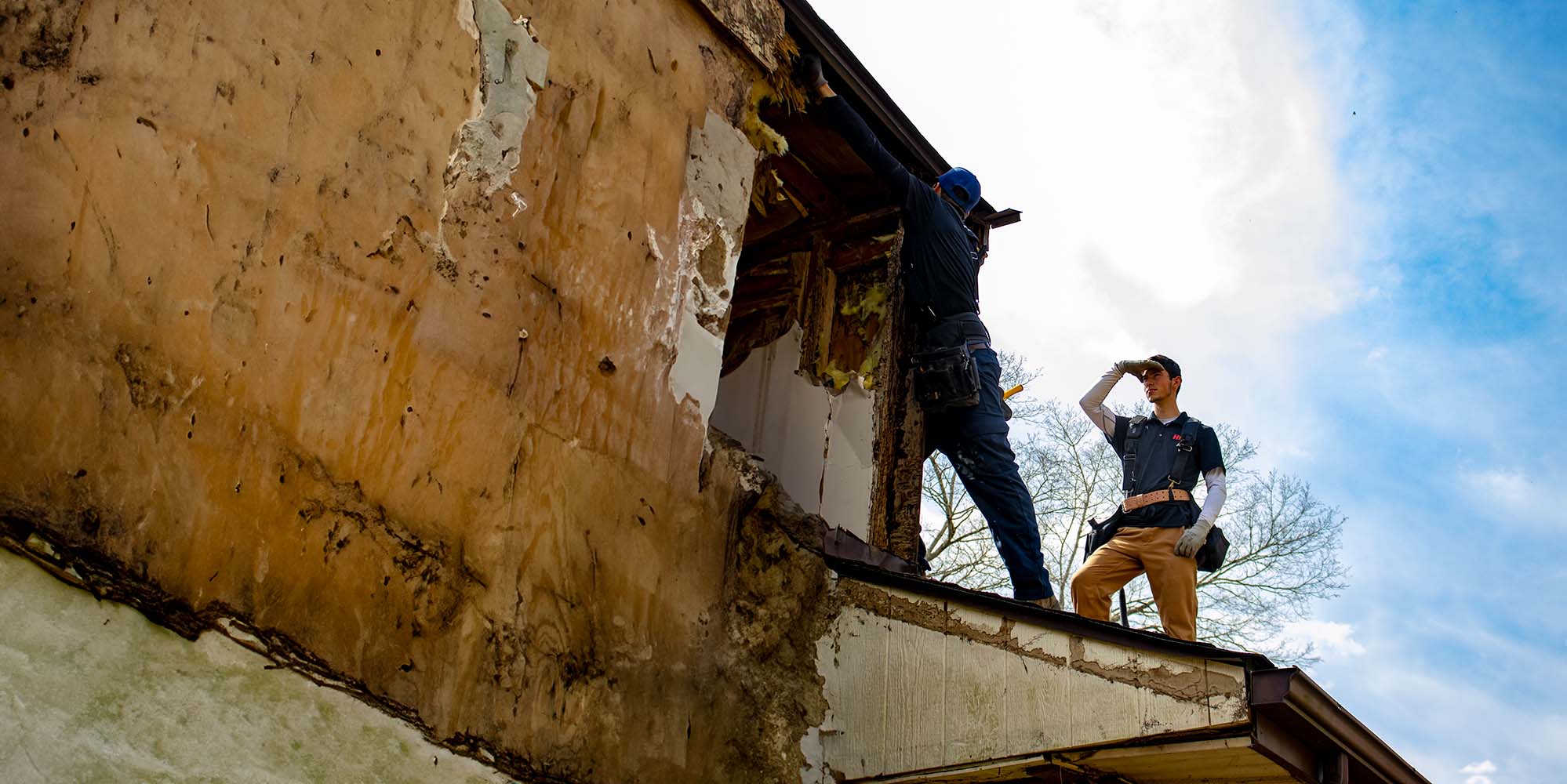

Storm Damage Restoration
Your trusted partner for professional home services. Quality workmanship, guaranteed satisfaction.

Storm Damage Restoration | Roofing | Elizabethton
Sudden hail, swirling winds, and driving rain can leave your Elizabethton roof bruised, leaking, or even missing entire sections. HEP’s Roofing arrives fast—often the same day—to secure your home with emergency tarping and a no-cost, no-obligation inspection. Our HAAG-certified specialists photograph every shingle, flashing, and gutter so you have clear evidence for your insurance adjuster and a precise roadmap for restoration.
From there, we handle the heavy lifting. We’ll walk you through the claims process, meet with the adjuster on-site, and replace damaged materials with premium shingles, metal panels, or specialty products that meet or exceed local code. Every nail, sealant, and vent is installed to manufacturer specs, and our crews leave your property spotless—no stray debris, no mystery fees.
As a local, family-owned company backed by a 20-year workmanship warranty, we’re invested in keeping Carter County roofs strong long after the storm clouds roll out. When the next rumble of thunder echoes through the valley, you’ll rest easy knowing HEP’s Roofing has already fortified the first line of defense over your home.
What Our Customers Say


Understanding Storm Damage to Elizabethton Roofs
Storm systems that roll through the Appalachian Highlands rarely arrive quietly. Heavy rain, sudden hail, straight-line winds, and the occasional tornado cell each leave their own brand of destruction. Roofs in Elizabethton absorb the brunt of that punishment, acting as the first barrier between a family home and volatile weather. To appreciate why professional restoration matters, it helps to know how storms compromise roofing systems and why HEP’s specialized approach addresses every nuance.
Unique Weather Patterns in Elizabethton
Elizabethton sits in a valley bordered by the Cherokee National Forest to the southeast and the Appalachian Plateau to the northwest. The geography funnels wind, accelerates thunderstorms, and traps moisture. Weather stations often record:
- Rapid temperature swings that stress roofing materials
- Afternoon pop-up thunderstorms producing quarter-size hail
- Early spring wind events exceeding 60 mph
- Winter ice storms that build layers of weight on shingles and gutters
This diverse mix of threats means a roof must handle impact, uplift, and prolonged moisture—all during a single year.
Typical Forms of Storm Damage
Storm damage rarely presents as one obvious hole. Instead, it is a mosaic of issues:
- Shingle bruising from hail, weakening the protective granule layer
- Wind-torn tabs or full shingle displacement, exposing underlayment
- Creased or dislodged flashing around chimneys, skylights, and valleys
- Metal panel denting that compromises protective coatings
- Punctures from airborne debris such as branches or loose building material
- Water intrusion leading to hidden rot in decking and rafters
HEP technicians factor in each possibility when they step onto an Elizabethton roof after a storm.
Why Timely Restoration Matters
Every hour a roof remains compromised is an hour that moisture, pests, and mold can infiltrate living spaces. Delayed action not only multiplies repair costs but can also void certain warranty and insurance protections.
Structural Integrity
Water that seeps beneath shingles wicks into wood fibers. Over time:
- Sheathing warps and loses load-bearing capability
- Fasteners rust, loosening critical connections
- Trusses develop rot, sagging under normal snow loads
An early intervention prevents a minor repair from spiraling into full structural remediation.
Insurance Considerations
Many homeowner policies require prompt mitigation of storm damage. Failure to secure tarps or initiate an inspection can be interpreted as negligence, reducing claim payouts. HEP’s immediate documentation safeguards policyholder interests.
Energy Efficiency
Gaps in decking or missing flashing create air leaks. HVAC systems then over-compensate, raising energy bills and accelerating wear on equipment. A restored, tightly sealed roof stabilizes attic temperature and prevents thermal loss.
HEP’s Approach to Roofing Storm Damage Restoration
Instead of a one-size-fits-all solution, HEP deploys a three-phase method honed for Appalachian conditions: assess, restore, reinforce.
Rapid Response Assessment
Within hours of a service call, a project manager arrives to:
- Photograph visible damage from multiple angles
- Use moisture meters to locate hidden water intrusion
- Perform drone surveys on steep or fragile slopes
- Identify safety hazards such as exposed nails or loose sheathing
The collected data forms the backbone of an itemized restoration plan tailored to each property.
Comprehensive Roof Inspection Checklist
Technicians follow a standardized checklist that includes:
- Drip edge condition and continuity
- Vent boot seals for cracking or UV degradation
- Valley metal for corrosion or punctures
- Soffit and fascia alignment
- Gutter attachment integrity
No component is too minor; even a single displaced fastener is recorded.
Material Selection Tailored to Appalachian Climate
HEP prioritizes products certified with high wind and impact ratings. Preferred selections include:
- Class 4 impact-resistant asphalt shingles
- Galvalume-coated standing seam panels rated to 140 mph
- Self-sealing synthetic underlayment with high tear strength
Durability is matched to weather realities rather than generic recommendations.
Restoration vs Replacement Decisions
Not every damaged roof requires a full tear-off. HEP weighs:
- Age of existing materials
- Percentage of total roof area affected
- Manufacturer warranty terms
- Local code requirements
When repair suffices, costs and disruption stay minimal; when replacement proves prudent, the homeowner gains the peace of mind of a brand-new system.
Step-by-Step Breakdown of HEP’s Restoration Process
Transparency defines each job from the first shingle removal to the final cleanup.
Initial Damage Documentation
Technicians compile:
- Date-stamped photos
- Written assessment reports
- A mapped diagram of affected zones
Accurate records streamline insurance communication and audit trails.
Temporary Protective Measures
Before full repairs commence, crews install:
- Reinforced polyethylene tarps secured with wood battens
- Ridge vent plugs to block wind-driven rain
- Temporary flashing around compromised penetrations
These stopgap steps prevent ongoing interior damage during the restoration timeline.
Debris Removal and Site Preparation
Specialized magnetic sweepers collect nails; high-powered vacuums clear gutters of shingle granules. A tidy worksite reduces hazards and simplifies subsequent tasks.
Repair of Decking, Underlayment, and Flashing
Steps include:
- Removing water-stained sheathing squares and patching with exterior-grade plywood
- Installing high-temperature ice-and-water shield along eaves and valleys
- Overlapping synthetic underlayment using manufacturer-approved fasteners
- Replacing all step and counterflashing with pre-finished metal
This layered approach rebuilds the roof’s foundational defenses.
Shingle and Metal Panel Installation
When shingles are specified:
- Starter strips with adhesive sealant are placed at the drip edge
- Architectural shingles are nailed per six-fastener high-wind pattern
- Ridge caps incorporate matching granule color blends
When metal panels are specified:
- Continuous clips facilitate thermal expansion
- Concealed fasteners eliminate direct water entry points
- Sealant tape along seams preserves watertight joints
Ventilation and Gutter Alignment
Balanced airflow between soffits and ridge vents prevents heat buildup that can warp decking. Crews reinstall gutters to maintain correct slope, ensuring efficient rainwater evacuation.
Final Quality Assurance
A superintendent performs:
- Infrared scans to detect residual moisture
- Wind-uplift tests on random shingle sections
- Walkthrough inspections with the property owner
The roof is only deemed complete when both objective testing and client satisfaction align.
Sustainable Roofing Solutions in Storm Restoration
Environmental stewardship benefits both homeowners and the region’s natural beauty.
Cool Roof Technology
Solar-reflective shingles and metal coatings:
- Lower attic temperatures by up to 15 °F
- Diminish HVAC load during humid Tennessee summers
- Reduce urban heat island effects in residential clusters
Recycled and Recyclable Materials
HEP partners with shingle recycling facilities so tear-off debris becomes asphalt for road paving. Metal offcuts are sorted for smelting back into construction products, diverting waste from landfills.
Water Runoff Management
Restoration plans often integrate:
- Hidden gutter guards to block leaf buildup
- Rain chains that slow water descent and curb soil erosion
- Rain barrel diverters for garden watering in dry spells
Storm damage restoration thus blends resilience with ecological mindfulness.
Common Roofing Materials Used by HEP in Elizabethton
Material choice influences longevity, curb appeal, and insurance premiums.
Architectural Asphalt Shingles
Benefits include:
- Multi-layered design for shadow depth aesthetics
- Class A fire rating
- Warranties extending 30 to 50 years with proper maintenance
Standing Seam Metal Roofing
Key attributes:
- Interlocking seams resist uplift during 120+ mph wind gusts
- Minimal exposed fasteners reduce leak risk
- Reflective pigments lower cooling costs
Impact-Resistant Synthetic Slate
Made from polymer composites:
- Mimics traditional slate without excess weight
- Achieves highest hail-impact classification
- Flexible edges minimize breakage during installation
Cedar Shake Alternatives
Engineered shakes crafted from recycled plastics and cellulose fibers:
- Provide rustic charm suited to mountain architecture
- Require no chemical preservatives
- Resist splitting and fungal growth common in natural wood
Preventive Measures to Mitigate Future Storm Damage
Restoration is only half the battle; proactive care extends a roof’s service life.
Seasonal Maintenance Schedule for Elizabethton Homeowners
- Spring: Clear winter debris, inspect for ice-dam scars
- Summer: Evaluate UV wear, secure any loosened fasteners
- Fall: Remove leaves from valleys, test gutter drainage
- Winter: Verify attic ventilation, prevent condensation on underside of decking
Impact-Rated Roof Systems
Upgrading to shingles or panels with Class 4 impact certification drastically reduces hail claims and may qualify for premium discounts.
Attic Insulation and Ventilation Upgrades
Balanced insulation keeps attic temperature near ambient outdoor levels, limiting freeze-thaw cycles that strain roofing materials.
Signs Your Roof Needs Professional Attention After a Storm
Some problems appear obvious; others hide until they become expensive headaches.
Visible Exterior Indicators
- Shingle granule piles at downspout exits
- Bubbles or blisters on flat roofing membranes
- Bent ridge caps or displaced hip shingles
- Warp or sag along roof planes
Interior Warning Signs
- Brown water rings on ceilings or upper walls
- Damp odors in closets or attics
- Peeling paint near crown molding
Subtle Clues Detected During Inspections
- Micro-cracks in sealant around vent pipes
- Slightly raised shingle corners hinting at nail pull-through
- Soft spots when walking on decking indicating hidden rot
HEP’s trained eye catches these early signals long before they escalate.
Insurance Claims Support from HEP
Navigating paperwork can feel as daunting as the storm itself. HEP’s administrative division simplifies the path.
Documentation Assistance
Technicians produce:
- Detailed line-item estimates compliant with Xactimate software
- Pre-loss and post-loss photographic evidence
- Moisture reports that substantiate interior damage
Liaison with Adjusters
Project managers meet onsite with insurance representatives to:
- Explain material specifications
- Clarify code-required upgrades
- Negotiate fair market rates for labor and materials
Ensuring Code Compliance
Elizabethton follows International Residential Code (IRC) standards plus local amendments. HEP’s familiarity with municipal requirements shields homeowners from re-inspection setbacks that delay claim closure.
The HEP Advantage for Elizabethton Residents
Beyond tools and materials, restoration success depends on people and processes.
Local Knowledge and Community Commitment
HEP’s crews live in the same valleys and ridgelines they service. They understand:
- Back-road access routes for rapid deployment
- Unique architectural styles, from Craftsman bungalows downtown to farmhouse colonials in Carter County
- Neighborhood association guidelines that dictate roofing color palettes
Certified and Trained Roofing Technicians
Team members hold:
- GAF Master Elite and CertainTeed SELECT Shingle certifications
- OSHA 30-Hour safety cards
- HAAG Residential Roof Inspector accreditation
Ongoing education ensures up-to-date practices and code adherence.
Safety Protocols
Job sites incorporate:
- Personal fall arrest systems anchored to roof peaks
- Debris nets shielding flowerbeds and walkways
- Daily toolbox talks covering hazard identification
Commitment to safety protects workers, homeowners, and property.
Glossary of Key Roofing Storm Damage Terms
- Decking: Structural base layer, typically plywood or OSB, to which underlayment and shingles are attached
- Underlayment: Secondary barrier that provides temporary water resistance beneath shingles
- Flashing: Metal strips that direct water away from joints and penetrations
- Ridge Cap: Final course of shingles covering the peak of the roof
- Ice-and-Water Shield: Self-adhering membrane offering superior leak protection in vulnerable zones
- Class 4 Impact Rating: Highest performance category indicating resistance to 2-inch steel ball impacts at 20 feet per UL 2218 tests
- Wind Uplift: Force exerted by wind traveling across a roof, which can lift materials if not properly fastened
- Soffit Vent: Intake ventilation located beneath the eaves
- Drip Edge: Metal flashing installed at roof edges to guide water into gutters
- Valley: Intersection where two roof slopes meet, channeling runoff toward gutters
Proudly Serving Our Community
Find your local experts in your neighborhood. We're just around the corner.