Why a Weak Outdoor Fan Can Make a Home Feel Half-Cooled
In a Signal Mountain home, the homeowner noticed that one outdoor HVAC unit was not keeping up. The indoor air was still moving, but it felt weak and only lightly cool, and one of the outdoor fans was not starting the way it should. This was a good reminder that when a system seems to be “sort of working,” it can still have a part failure that needs attention. A HEP technician found a failed electrical starter part, replaced it, and restored normal cooling.
For local homeowners, HEP’s Heating and Air Conditioning resources, the page for Signal Mountain, and Heating and Air Conditioning in Signal Mountain are helpful starting points.
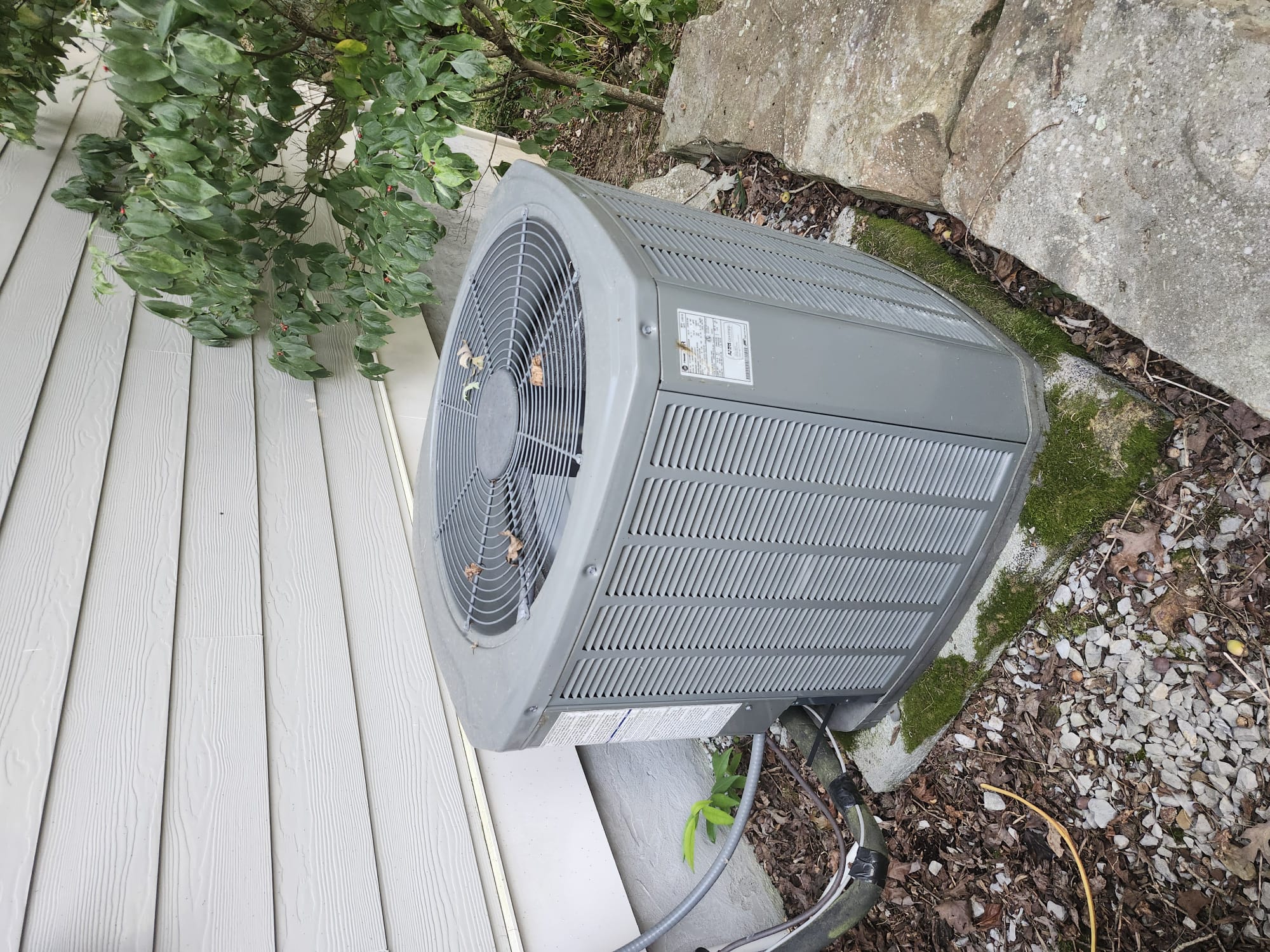
Keeping leaves, shrubs, and debris away from the unit helps it breathe and work more efficiently.
What the HEP technician found
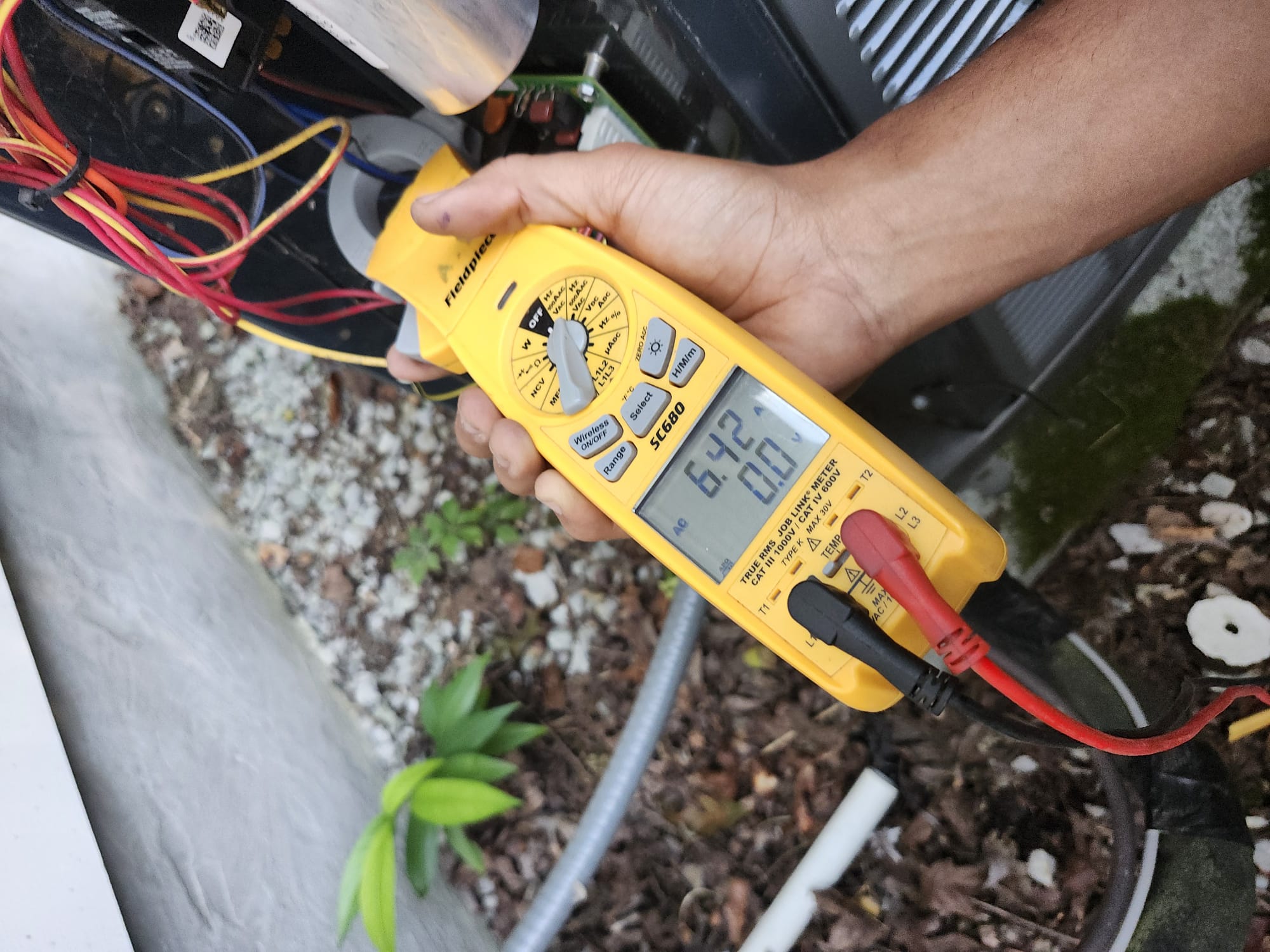
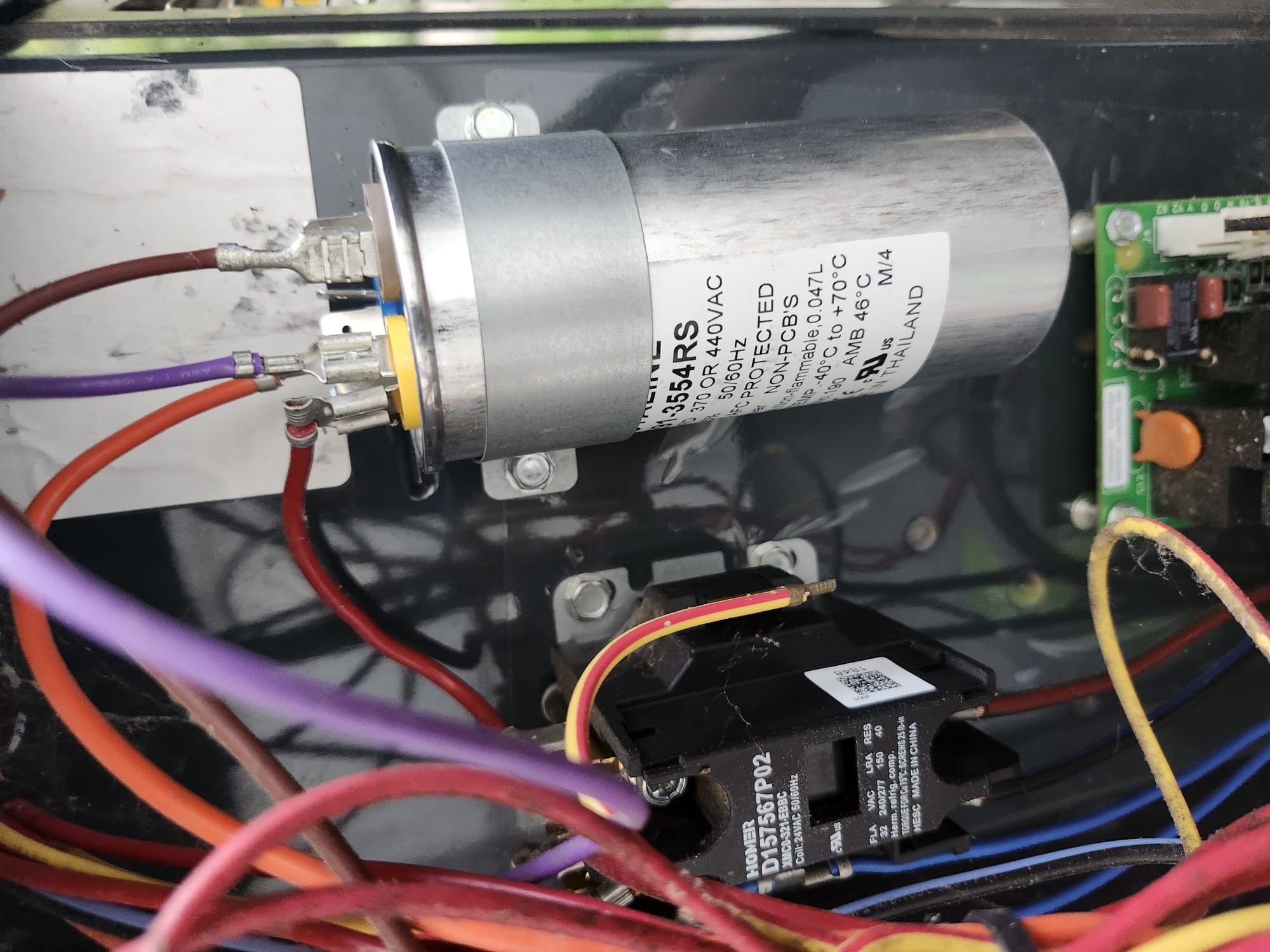
This service call was performed in Signal Mountain, and the problem turned out to be a small part with a big job. Inside the outdoor unit, a component that helps the motor start had worn out. When that happens, the fan may struggle to start, run weakly, or stop helping the system do its work.
After the part was replaced, the cooling system returned to normal operation. The homeowner was able to get the house comfortable again without needing a major repair.
Why a fan problem feels like weak cooling
Many homeowners think a cooling problem always means the air conditioner is completely broken. In reality, a fan issue can make the whole system feel like it has failed even when part of it is still on.
Here’s why:
- The outdoor unit is supposed to move heat out of the home.
- If the fan is not working well, that heat does not leave the system properly.
- The home may still get air from the vents, but it will not feel as cool as it should.
- The equipment may run longer trying to catch up, which adds stress.
That is why a HEP technician will often check the outdoor unit first when a home has weak cooling but still has airflow.
Warning signs homeowners should not ignore
A fan or starting-part problem often gives away a few clues before the system stops working altogether.
Watch for these signs:
- Cool air feels weak even though the system is running
- The outdoor fan does not spin right away
- One part of the home feels warmer than the rest
- The system runs for a long time but never quite catches up
- You notice a change in sound when the unit starts
If any of these happen, it is better to call for help early. A small issue is often easier to correct before it turns into a no-cooling call.
Why regular attention matters for middle-aged equipment
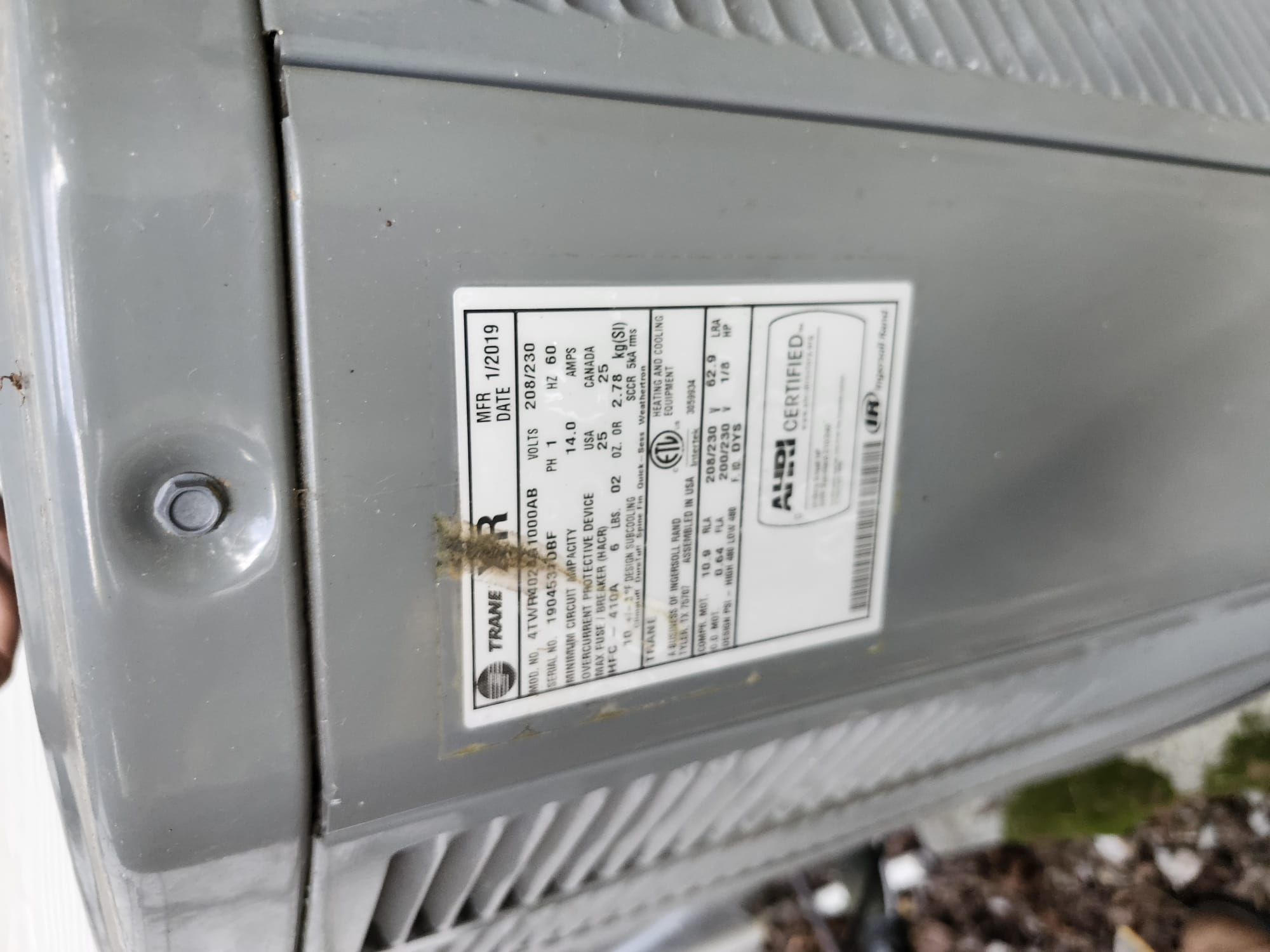
This Signal Mountain unit was not brand new, and that matters. Equipment in the middle of its life can look fine on the outside while electrical parts begin to wear down. That is why routine service is so useful: it helps catch the small things that homeowners usually cannot see.
A few simple habits can also help extend the life of the system:
- Keep the area around the outdoor unit clear
- Trim back plants and weeds
- Remove leaves and yard debris
- Replace air filters on schedule
- Pay attention to changes in comfort, not just complete breakdowns
These small steps make it easier for the unit to move air and can reduce strain on the system.
When to call a HEP technician
It is time to call a professional if:
- the fan will not start
- the house is cooling unevenly
- the system is running but not keeping up
- the outdoor unit keeps acting differently from normal
- you want a safe check of electrical parts and overall performance
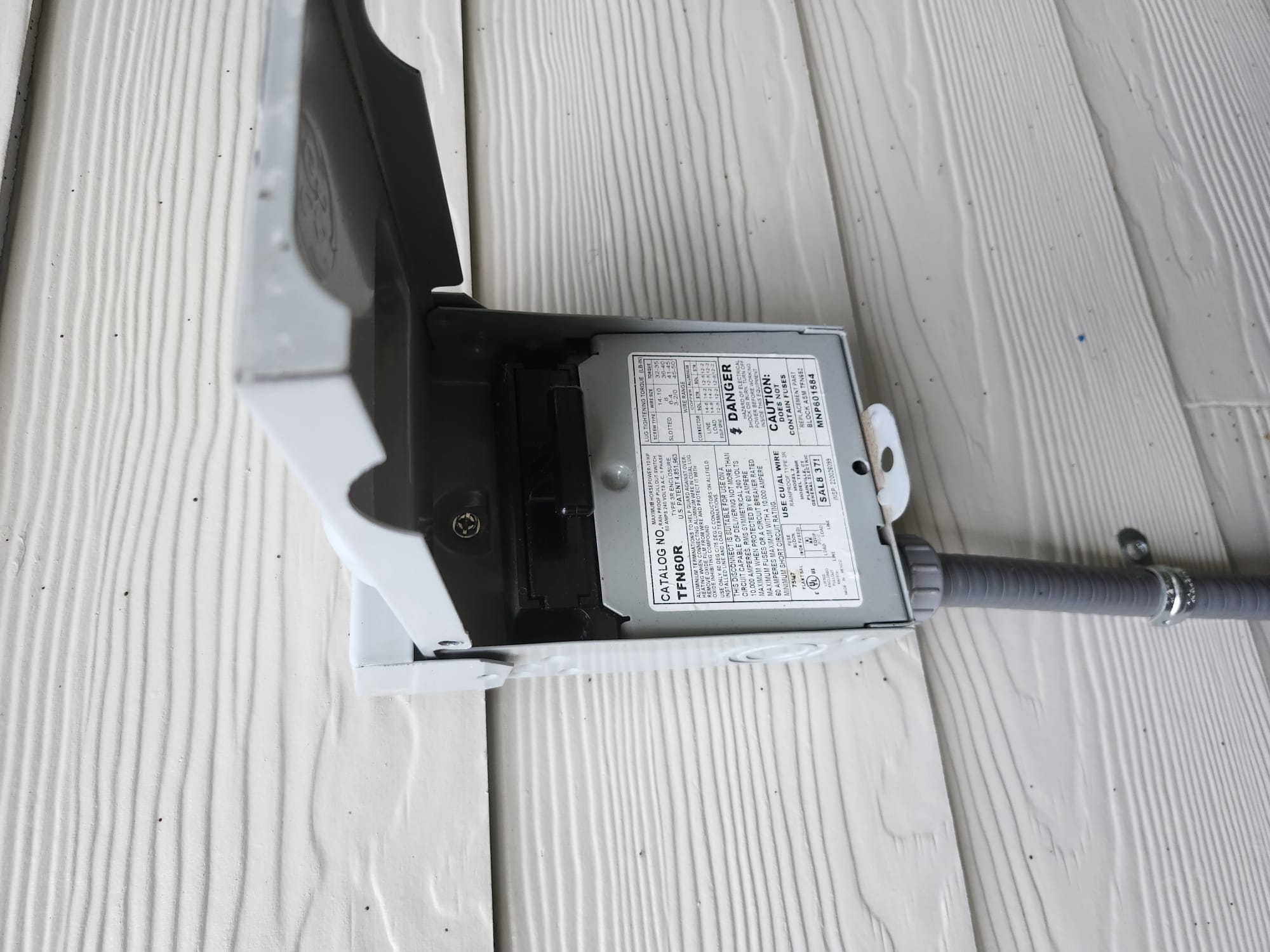
Homeowners should avoid opening electrical compartments or guessing at the cause of the problem. A HEP technician can test the system safely, find the real issue, and get the equipment back on track.
Quick takeaway
In this Signal Mountain service visit, the problem was traced to a worn electrical starter part that kept the outdoor fan from doing its job. Once it was replaced, cooling returned to normal.
For homeowners, the lesson is simple: if your system is blowing weak, cooling poorly, or one fan seems off, do not wait too long. A prompt HVAC visit can keep a small comfort issue from becoming a bigger repair later.
Published on September 29, 2026