Why a Dry Drain Pan Can Point to a Bigger HVAC Problem
Helpful resources: Heating and Air Conditioning • Corryton • Heating and Air Conditioning in Corryton
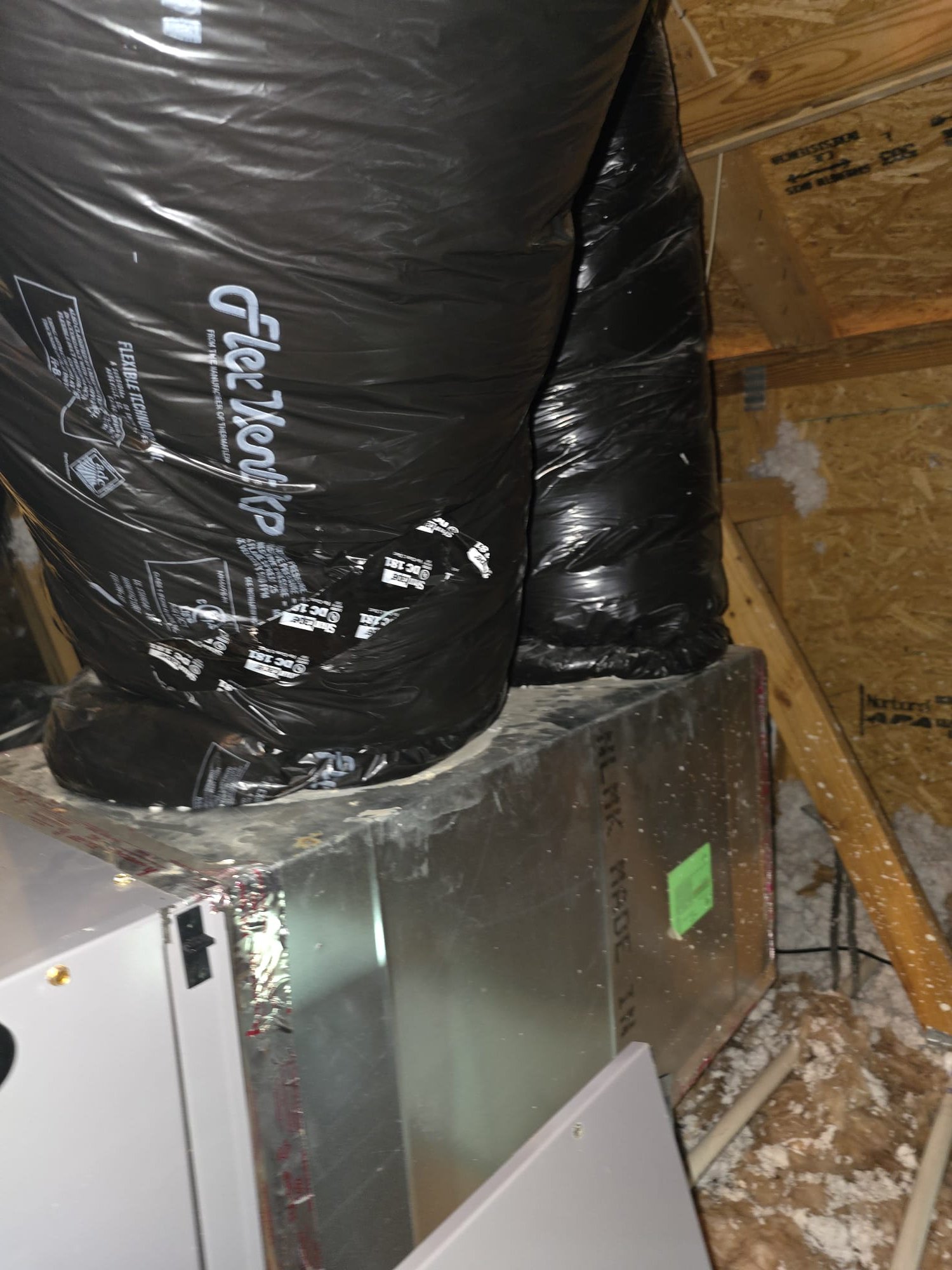
A homeowner in Corryton noticed something confusing: the system was running, but the house still wasn’t getting the airflow it should, and a safety switch had shut the equipment down. A HEP technician checked the indoor drain path from the attic to the outside and found it open and clean. The drain pan also showed no sign of standing water. That meant the problem was not a clogged drain line at all — it was that the system was not moving enough air for normal moisture to form and drain away. After the proper blower replacement and matching wiring were installed, airflow returned and the system could cool the home the way it should.
What homeowners can learn from this kind of call
A lot of homeowners assume that any HVAC shutdown tied to a drain safety switch means there must be a blockage. Sometimes that’s true, but not always.
When an air conditioner is working properly, it pulls moisture out of the air. That moisture collects and drains away. But if the system is not moving enough air, there may be very little moisture to collect in the first place. In that case, the drain can be perfectly clear and the pan can still stay dry.
That’s why the HEP technician focused on the full picture:
- Was air moving through the vents?
- Was the indoor blower doing its job?
- Was the drain path open?
- Was there any standing water in the pan?
- Was the system shutting off for protection?
In this Corryton home, the answer pointed away from the drain and toward the blower side of the system.
Why a dry pan does not always mean “nothing is wrong”
Homeowners often think a dry pan is automatically a good sign. Sometimes it is. But a dry pan can also mean the system is not creating enough condensate because the airflow is weak.
Here are a few simple ways to think about it:
- Normal cooling = air moves + moisture collects
- Weak airflow = less moisture collected
- Less moisture collected = less water in the drain pan
- Safety switch trips = the system may shut down to prevent damage
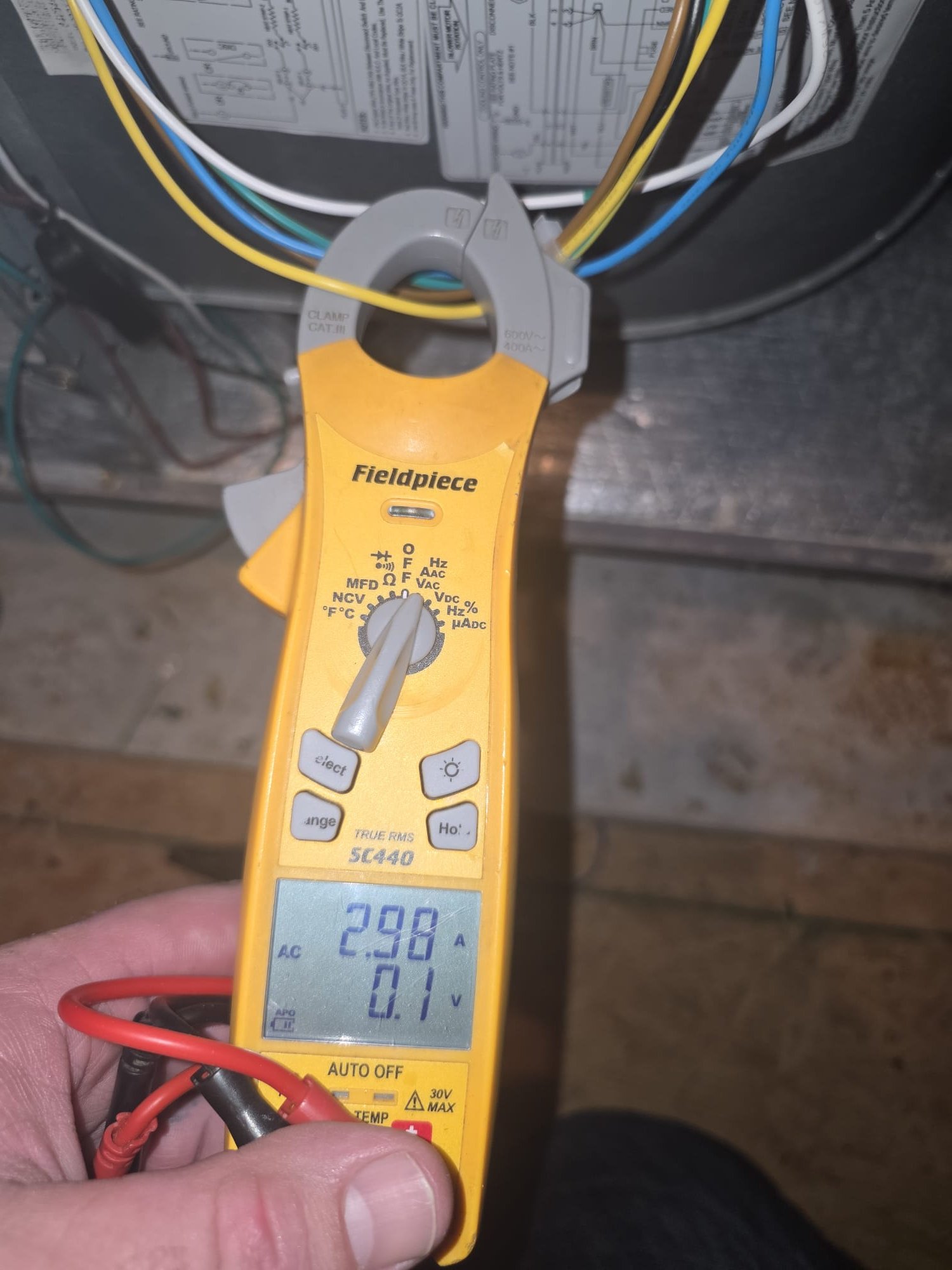
That’s why a HEP technician will often check both the water side and the air side of the system. The drain may look fine, but the real issue could be something that affects comfort far more, like a blower that is no longer pushing air strongly enough.
Common signs the blower side may need attention
If your home feels off but the AC seems to be running, watch for these signs:
- Weak air from the vents
- Some rooms staying warm while others cool
- The system running longer than usual
- A safety switch shutting the unit down
- The indoor unit sounding different than normal
- Very little moisture collecting during humid weather
None of these signs proves the blower is the problem by itself, but together they can give a HEP technician useful clues.
How the issue was solved in Corryton
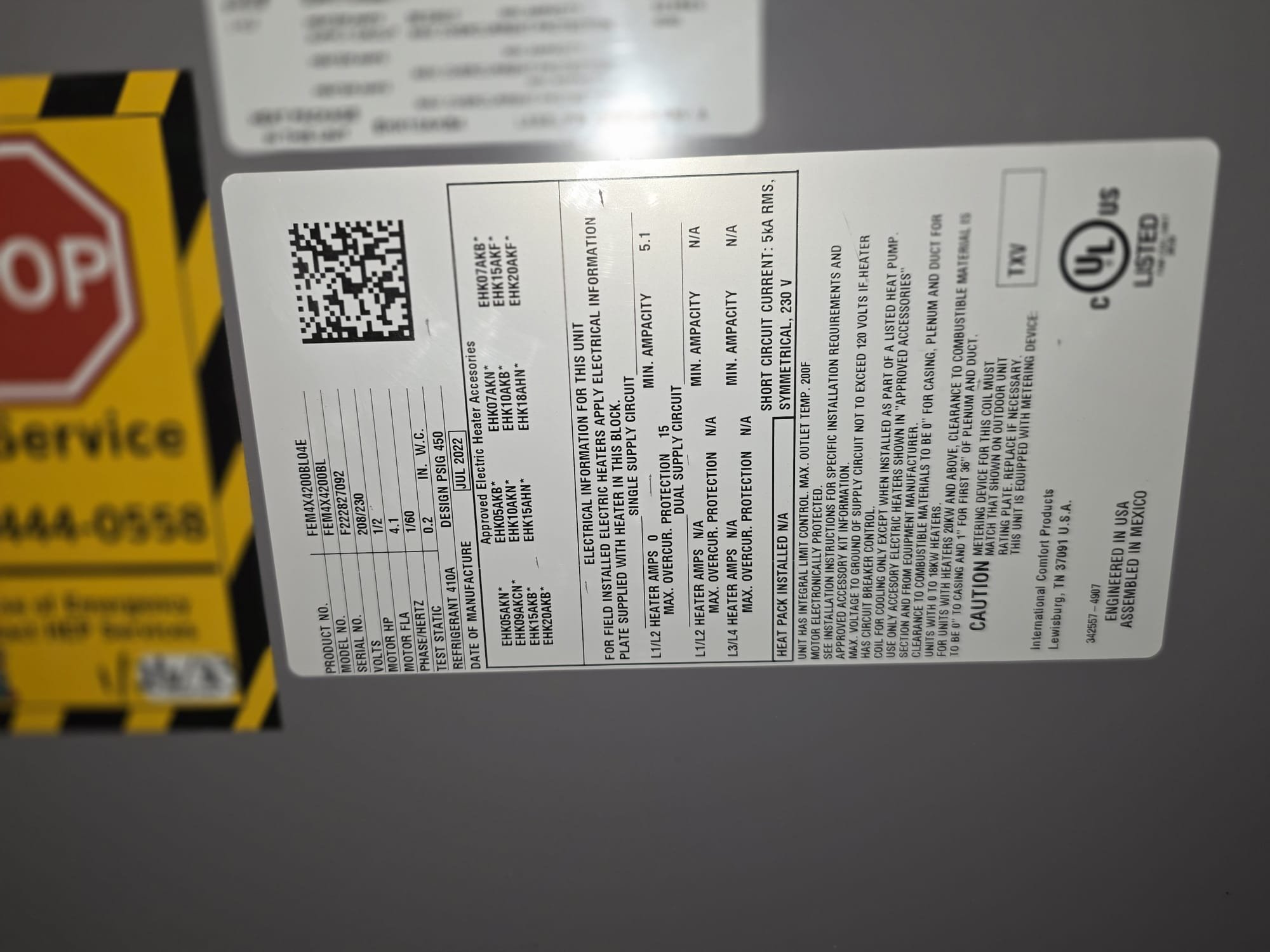
Once the technician confirmed the drain was open and the pan was dry, the next step was to address the airflow issue. The system needed the correct replacement blower and the matching connection pieces so it could operate the way the manufacturer intended.
That repair restored the missing airflow, which helped the cooling process return to normal. In plain terms: the unit could finally move air properly again, so it could cool the home and manage moisture the right way.
This is a good reminder that HVAC problems are not always where they first appear. A safety switch, a dry pan, or a cold piece of equipment can all be symptoms of a different issue deeper in the system.
Simple homeowner tips to prevent surprise HVAC shutdowns
You do not need to be an expert to help your system stay reliable. A few habits can make a big difference:
1. Keep vents open and clear
Make sure furniture, rugs, and curtains are not blocking supply vents or return grilles. Good airflow starts inside the house.
2. Replace filters on time
A dirty filter can make it harder for the blower to move air. That can lead to poor comfort and extra strain on the system.
3. Keep the area around the indoor unit accessible
If your equipment is in an attic, closet, or utility space, try to keep the access path clear so a HEP technician can inspect it easily.
4. Pay attention to changes in sound or airflow
If the system suddenly sounds different or the air feels weaker, do not ignore it. Small changes often show up before a bigger failure.
5. Don’t assume every shutdown is a drain clog
Drain issues are common, but not every safety shutdown comes from a blocked line. Sometimes the better question is: why isn’t the system making or moving water normally?
Why proper installation and labeling matter
Good HVAC work is not just about replacing parts. It is also about making sure the equipment is set up cleanly, tested carefully, and easy to identify later.
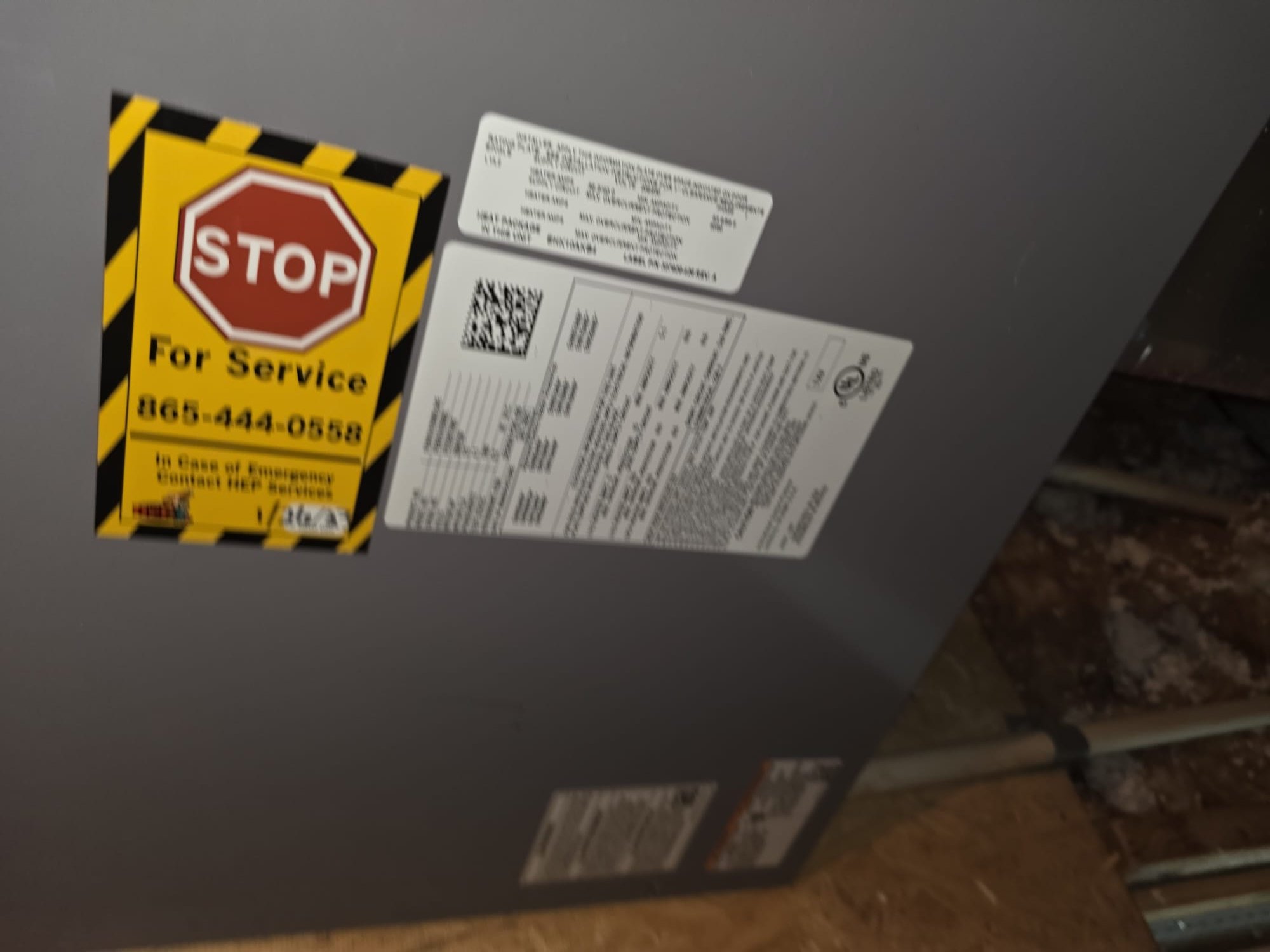
Clear labels and clean installation work help with:
- Future maintenance
- Faster service visits
- Warranty or parts matching
- Easier troubleshooting
- Better long-term reliability
That matters for homeowners because a well-documented system is easier to care for over time.
Final takeaway
This Corryton service call is a great example of why HVAC troubleshooting has to look at the whole system, not just one part. The drain path was not blocked, but the home still had an HVAC problem because airflow was not where it needed to be.
With the correct replacement blower in place and the system checked by a HEP technician, the equipment was able to move air normally again and return to dependable operation.
For homeowners, the big lesson is simple: if the vents feel weak, the system shuts off unexpectedly, or the house is not cooling evenly, the cause may be airflow — not just drainage.
Published on August 31, 2026