Why a Confusing Thermostat Message Can Point to a Bigger HVAC Issue
Useful resources: Heating and Air Conditioning • Talbott • Heating and Air Conditioning in Talbott
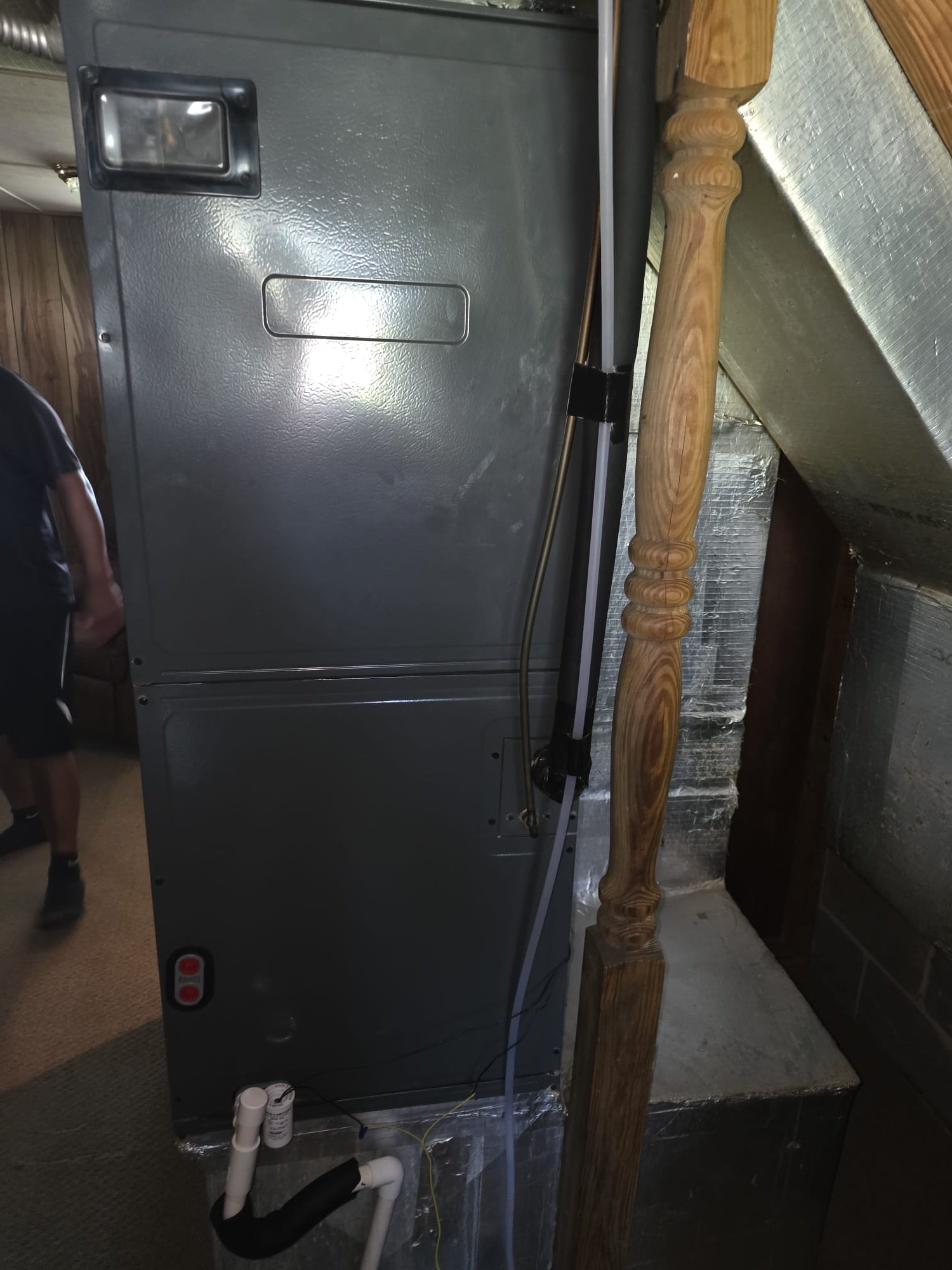
A homeowner in Talbott noticed that the heat pump was still running, but the thermostat was acting strangely and the backup heat seemed to be coming on when it should not. The system was not frozen or completely down, but it was no longer behaving the way the family expected. A HEP technician visited the home, checked the HVAC controls and electrical parts, replaced a worn component, installed a new condensate pump, and tested the system to make sure everything was working correctly again.
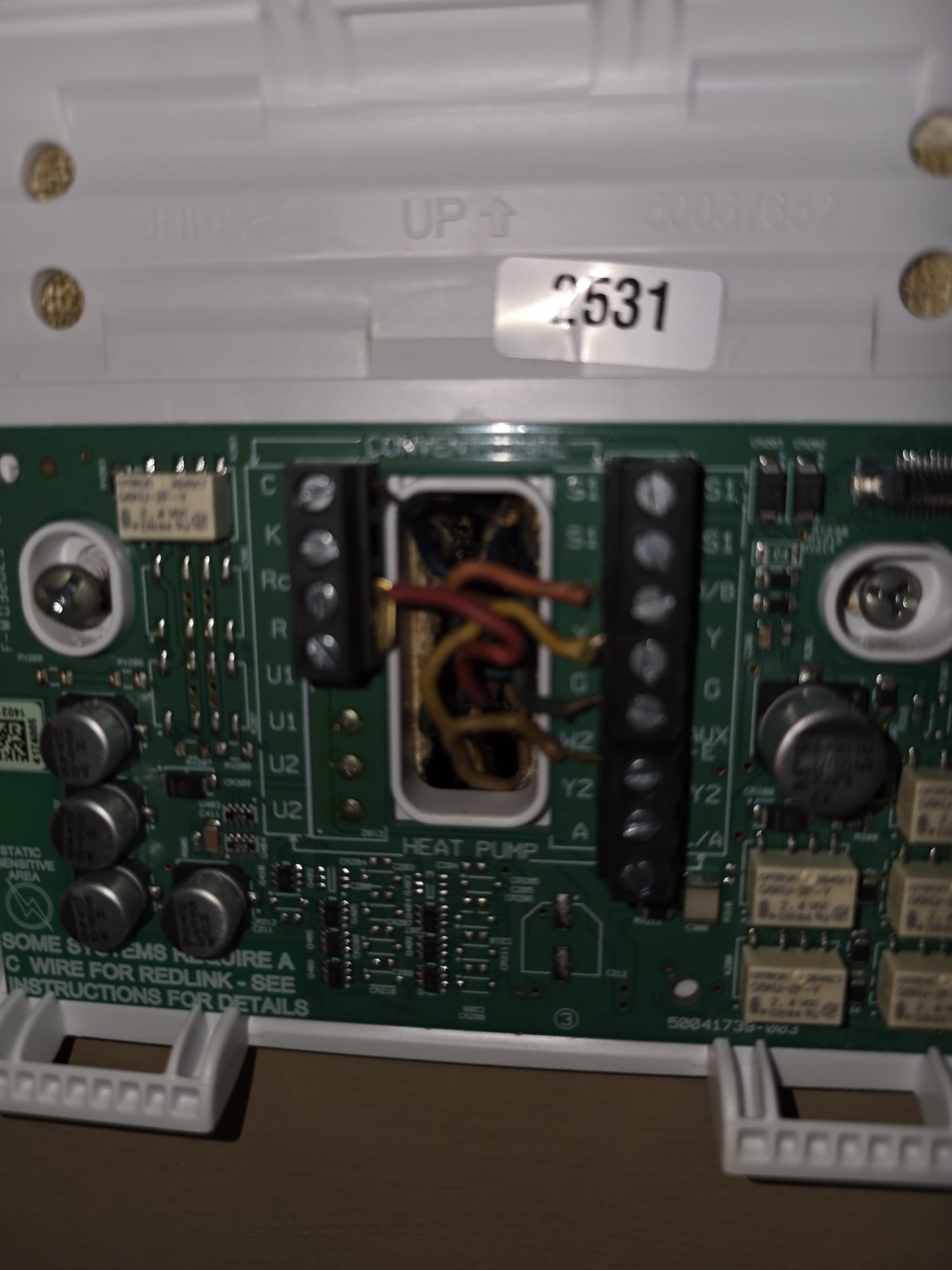
What the homeowner noticed
For many homeowners, the first warning sign is not a total breakdown. It is usually something small, like:
- a thermostat message that does not make sense
- heat that seems to switch modes at the wrong time
- the backup heat running more often than usual
- a system that is working, but not smoothly
When those signs show up, it is worth paying attention. A heat pump can continue to run even when one part is starting to weaken, which can make the problem easy to overlook at first.
What the HEP technician checked
During the service visit, the HEP technician looked at the thermostat, the electrical side of the equipment, and the indoor drainage setup. That matters because HVAC problems are not always caused by one big failure. Sometimes, several small issues work together.
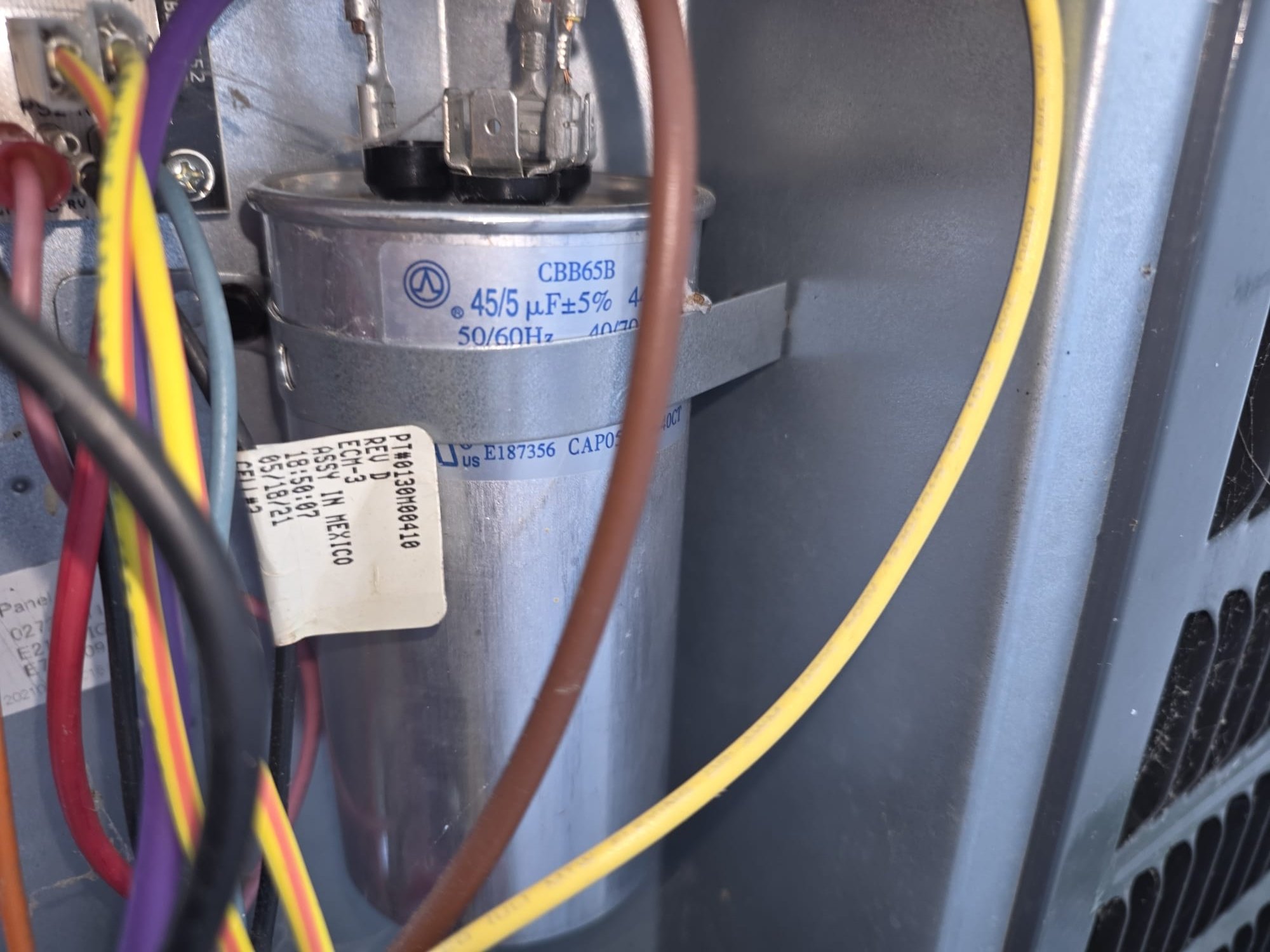
A common example is a weak capacitor. In simple terms, this part helps the system start and keep running properly. If it begins to wear out, the unit may still operate, but it may struggle, cycle oddly, or put extra stress on other parts.
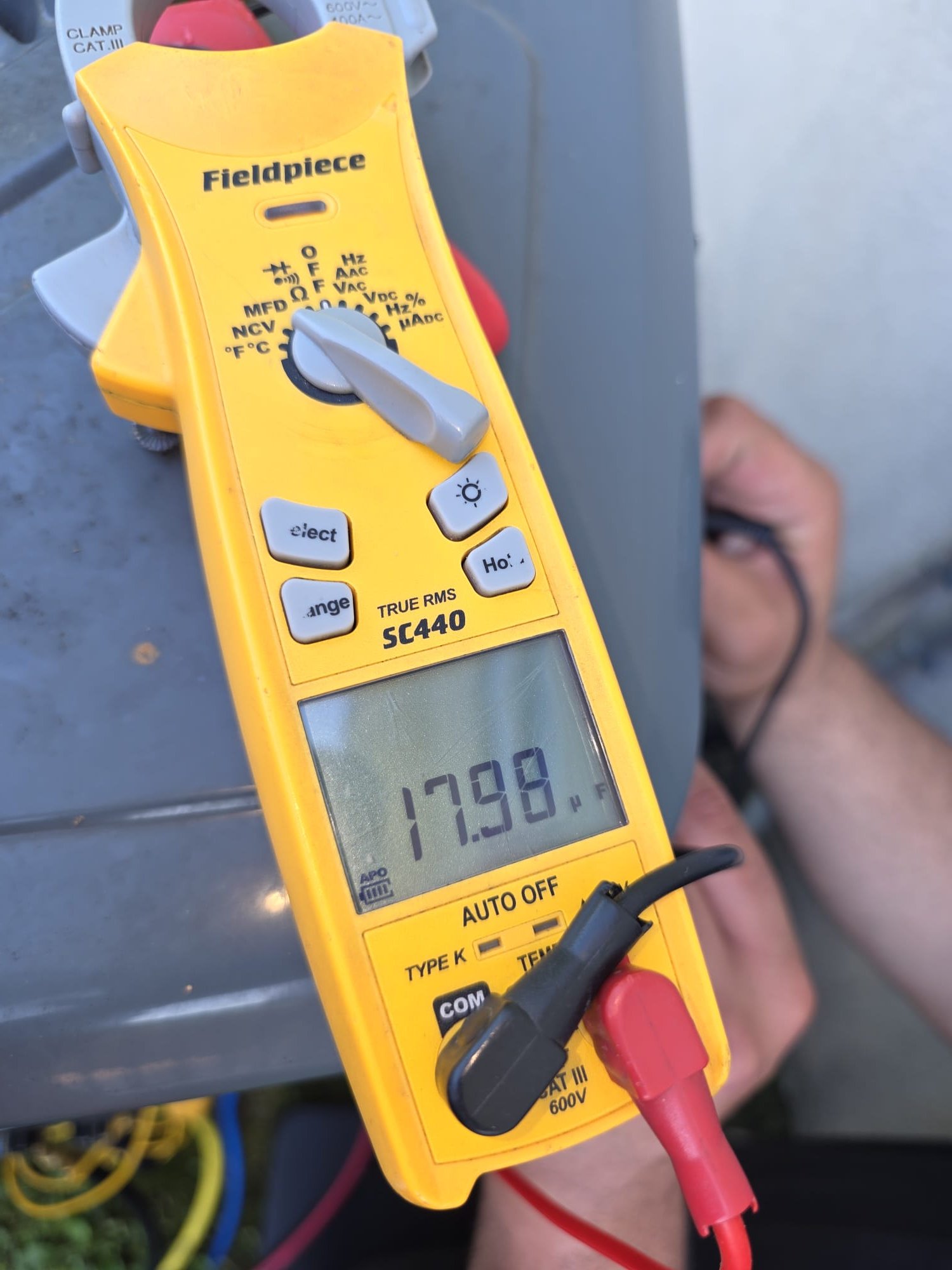
The technician also checked the condensate drainage system. That is the part that carries away moisture pulled from the air. If the drain or pump is not working well, the system can shut down, leak water, or create more service problems later.
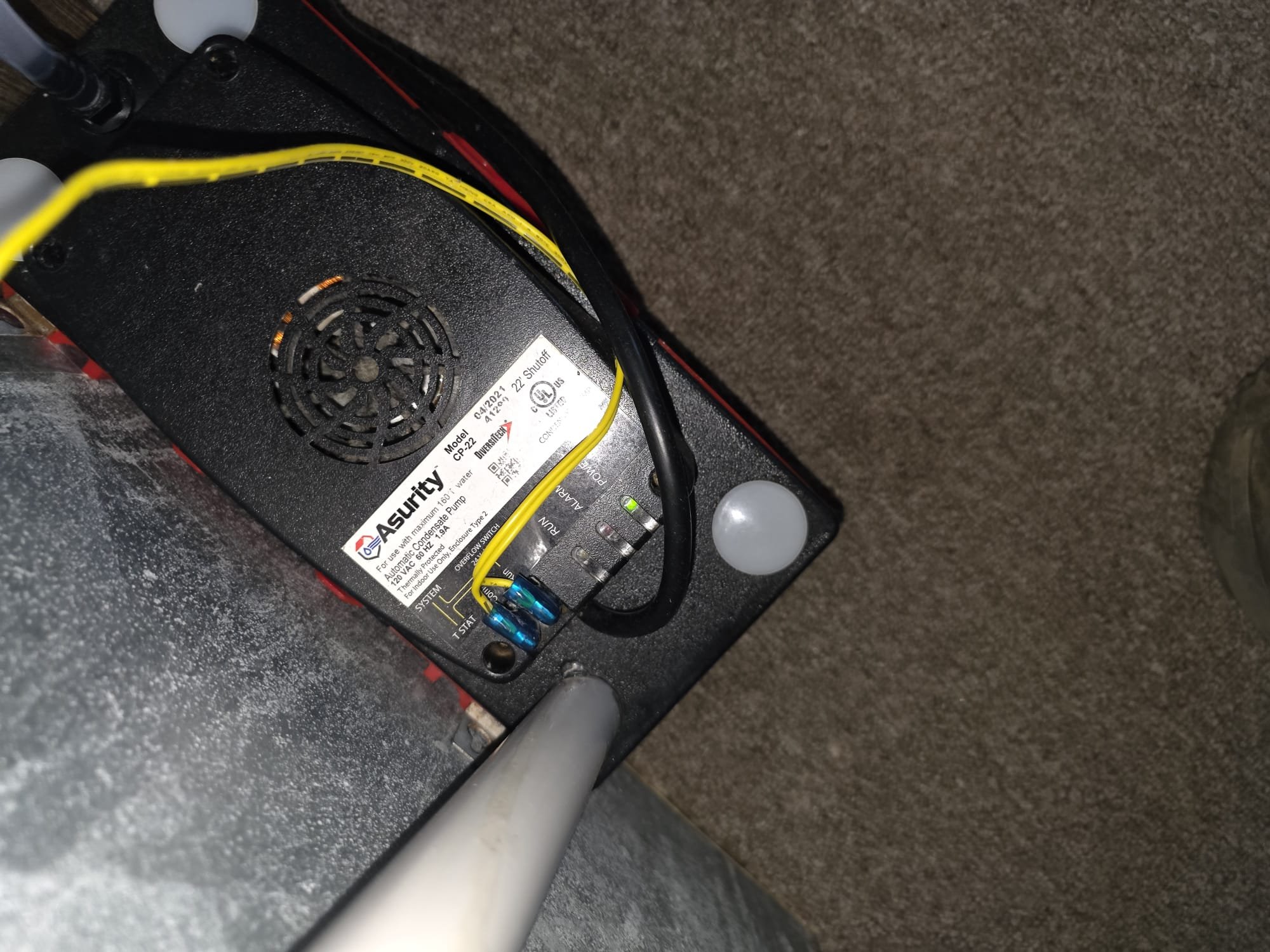
Why the condensate pump matters
Many homeowners do not think about condensate pumps until something leaks. But this small part is important because it helps remove water safely from the HVAC system.
If the pump fails or clogs, you may notice:
- water around the indoor unit
- a musty smell
- a drain pan that stays full
- the system stopping unexpectedly
In this Talbott home, the pump was replaced so the equipment could move moisture properly again. That helps protect the home and keeps the HVAC system from dealing with avoidable water problems.
What homeowners can learn from this visit
This service call is a good reminder that a thermostat problem is not always “just the thermostat.” Sometimes the display is showing you a bigger picture:
- Controls may be confused by a failing part
- Electrical parts can wear down without a full shutdown
- Drainage problems can affect overall system performance
- Backup heat running too often may signal strain somewhere else
A HEP technician does not just look at the screen on the wall. The goal is to check the whole system so the home stays comfortable and the equipment keeps running the way it should.
Simple tips to help avoid future HVAC surprises
Here are a few easy things homeowners can do:
1. Pay attention to new thermostat messages
If the display starts showing unusual scheduling or hold messages, check the mode, temperature setting, and schedule first. If it still seems wrong, call for service.
2. Watch for extra use of backup heat
If your system seems to rely on backup heat more than usual, that is worth checking. It can mean the heat pump is not keeping up the way it should.
3. Keep filters clean
A dirty filter can reduce airflow and make the system work harder. That extra stress can shorten the life of parts.
4. Do not ignore small water issues
A little moisture near the indoor unit can turn into a bigger problem if the drain or pump is not working.
5. Schedule service before the system struggles
It is always easier to fix a small issue early than wait for a full breakdown on a hot or cold day.
The takeaway
The Talbott repair was straightforward once the problem was traced down. A HEP technician found the trouble areas, replaced the needed parts, installed a new condensate pump, and tested the system so the homeowner could feel confident again.
For homeowners, the big lesson is simple: when a heat pump starts acting “off,” even if it is still running, it is smart to have it checked. Small warnings often show up before a bigger failure, and early service can help keep your home comfortable and your HVAC system protected.
Published on July 7, 2026