When Multiple Drains Back Up at Once: A Sevierville Plumbing Case Homeowners Should Know
In Sevierville, a homeowner noticed one bathroom toilet starting to rise instead of flush normally, while other drains in the house began making odd noises and slowing down. For local help, homeowners can look at Plumbing, Sevierville, and Plumbing in Sevierville. A HEP technician found that this was not just a simple clog: there was a cracked section of drain piping under the home, wastewater had backed up into the crawlspace, and the septic system needed attention too. The solution combined plumbing service and a new plumbing install, and the home was restored to normal flow after the damaged piping was replaced, the septic tank was serviced, and the fixtures were tested.
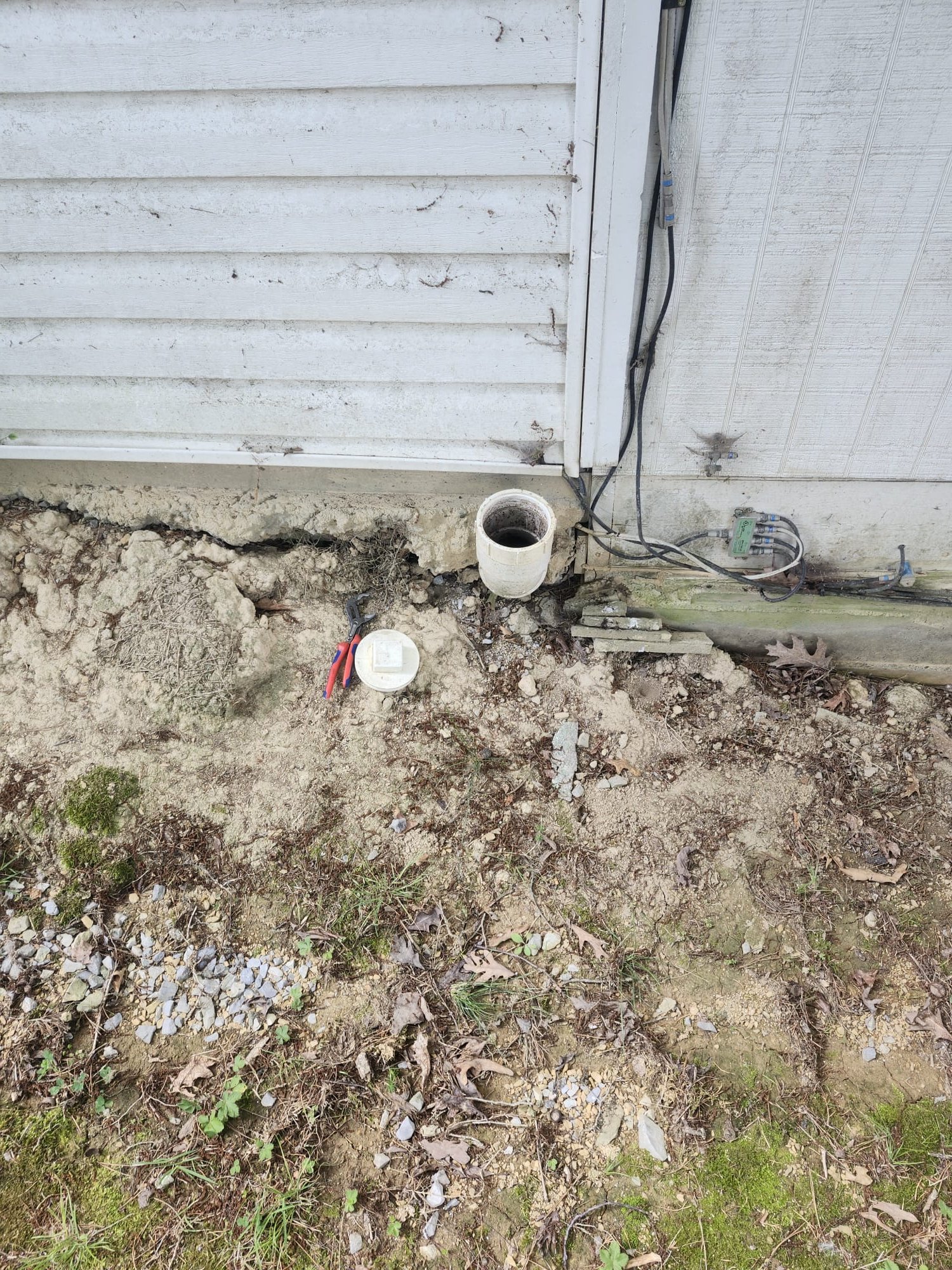
What the homeowner noticed first
A lot of homeowners think a backup is just one slow sink or a toilet that needs extra effort to flush. But this case had a different pattern:
- Several fixtures were affected
- The drains made gurgling sounds
- Water moved very slowly
- The issue had happened before
- The home used a septic system
That combination usually means the problem is deeper than the fixture itself. When more than one bathroom or drain starts acting up at the same time, it often points to a larger problem in the drain system.
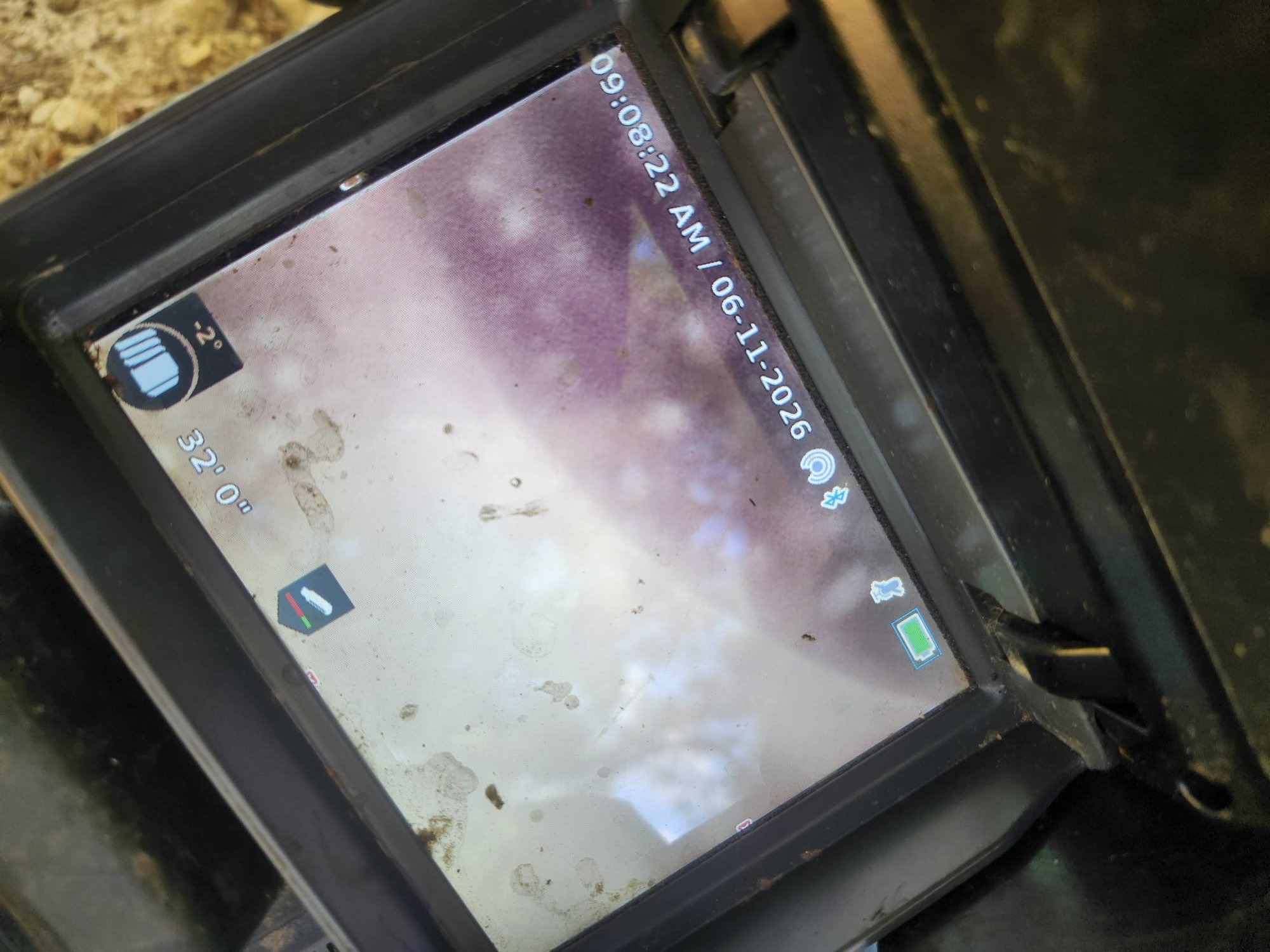
What the inspection revealed
The HEP technician used a camera to look through the line instead of guessing. That step matters because it shows what is happening inside the pipe without tearing up the house first.
In this case, the camera helped confirm that the issue was not just buildup. A damaged section of drain piping was found under the home, and there were signs that waste had been sitting where it should have been moving away. The septic tank also needed to be pumped and made easier to access for future maintenance.
For homeowners, the big lesson is simple: if several drains are backing up at once, don’t assume every sink or toilet is individually bad. The real trouble may be in the main path that carries wastewater out of the house.
How the repair was handled
Once the problem was identified, the repair had a few parts:
- The damaged drain piping was removed
- New pipe was installed in the crawlspace
- The new piping was secured so it would stay in place
- The septic tank was serviced
- A better access point was added for future maintenance
- Every connected fixture was tested afterward
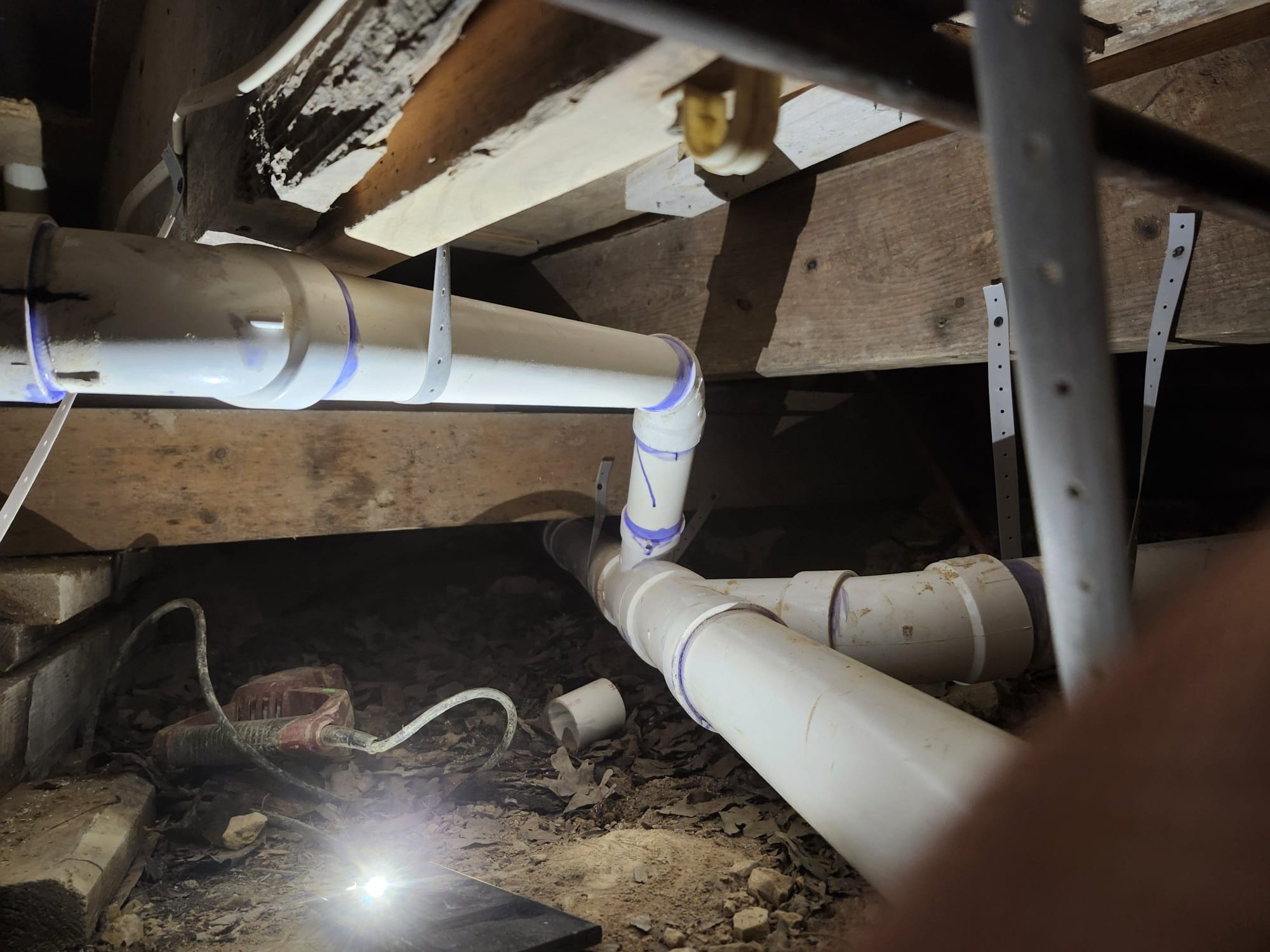
This kind of work is important because drain lines need to move wastewater away smoothly. If a section cracks or shifts, waste can collect, odors can develop, and backups can spread to more than one room. A HEP technician also has to make sure the new piping is supported well enough to avoid future sagging or movement.
Why the septic system mattered too
Because the home was on septic, the tank itself was part of the problem-solving process. When a septic tank fills up or becomes hard to service, it can add stress to the whole drainage system.
A simple way to think about it:
- The home’s drains carry wastewater away from sinks, tubs, showers, and toilets
- The septic tank stores and processes that wastewater
- If either part has trouble, the whole home can feel it
Adding a better access point makes future maintenance much easier. Instead of digging when service is needed, a technician can reach the system more efficiently.
What homeowners in Sevierville can learn from this
This case is a good reminder that drain trouble usually gives warning signs before it becomes a full backup.
Watch for these early signs
- Gurgling sounds from drains or toilets
- Water rising in the toilet bowl
- Slow draining in more than one room
- Sewage odors in a crawlspace or yard
- Recurring clogs that keep coming back
Don’t ignore repeated problems
If the same drain issue keeps returning, there may be a hidden crack, shift, or blockage in the line. A quick fix may help for a while, but it will not solve a damaged pipe.
Keep access areas clear
If you have a cleanout, crawlspace opening, or septic access point, keep it easy to reach. That helps a HEP technician inspect and service the system faster when something goes wrong.
Simple tips to protect your drains
Here are a few homeowner-friendly habits that can help prevent bigger issues:
- Use less water all at once if you notice a drain slowing down
- Avoid flushing wipes or other items that do not break down well
- Do not keep using a fixture that is clearly backing up
- Call for service early when more than one drain starts acting up
- Have septic systems checked on a regular basis
- Keep the crawlspace dry and accessible so problems can be found sooner
The takeaway
In this Sevierville home, the issue started with slow and noisy drains, then turned into a larger plumbing problem tied to a cracked pipe and a septic system that needed attention. A HEP technician inspected the line, replaced the damaged drain piping, improved septic access, and tested the system afterward to make sure the toilets, sinks, and showers were working properly again.
For homeowners, the main lesson is this: when backups show up in more than one place, call for help quickly. Catching the problem early can keep a small inconvenience from becoming a much bigger mess.
Published on June 30, 2026