When an AC Runs but the House Still Feels Warm: A Cleveland HVAC Service Story
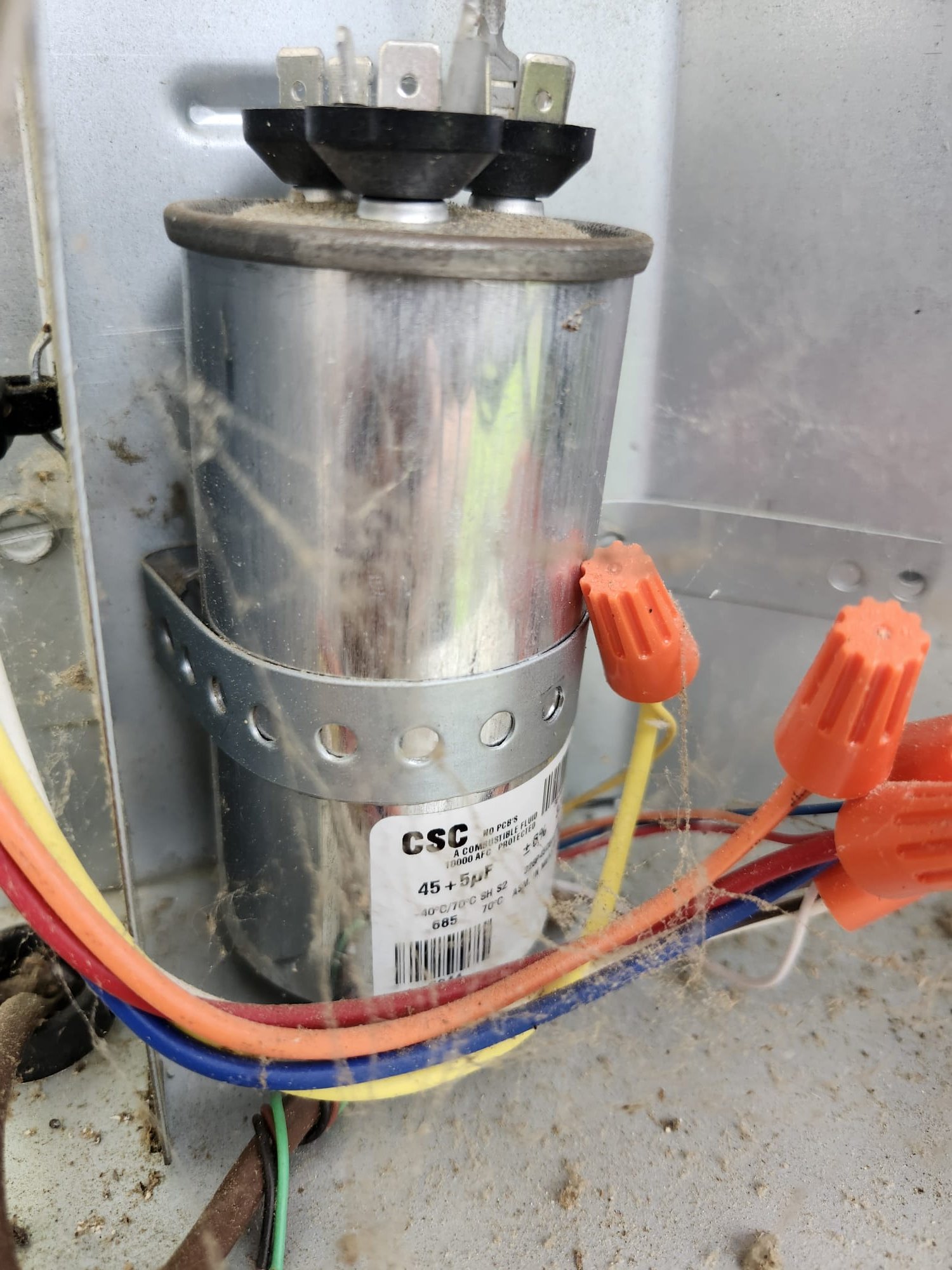
A homeowner in Cleveland noticed that the air conditioner seemed to be running, but the home never felt truly cool. After a visit from a HEP technician, the problem was traced to a failed electrical part in the outdoor unit that was keeping the compressor from starting the way it should. Once the part was replaced and the system was tested again, cooling returned to normal. The homeowner was also advised to change very dirty filters more often so the system could breathe better.
Related resources: Heating and Air Conditioning • Cleveland • Heating and Air Conditioning in Cleveland
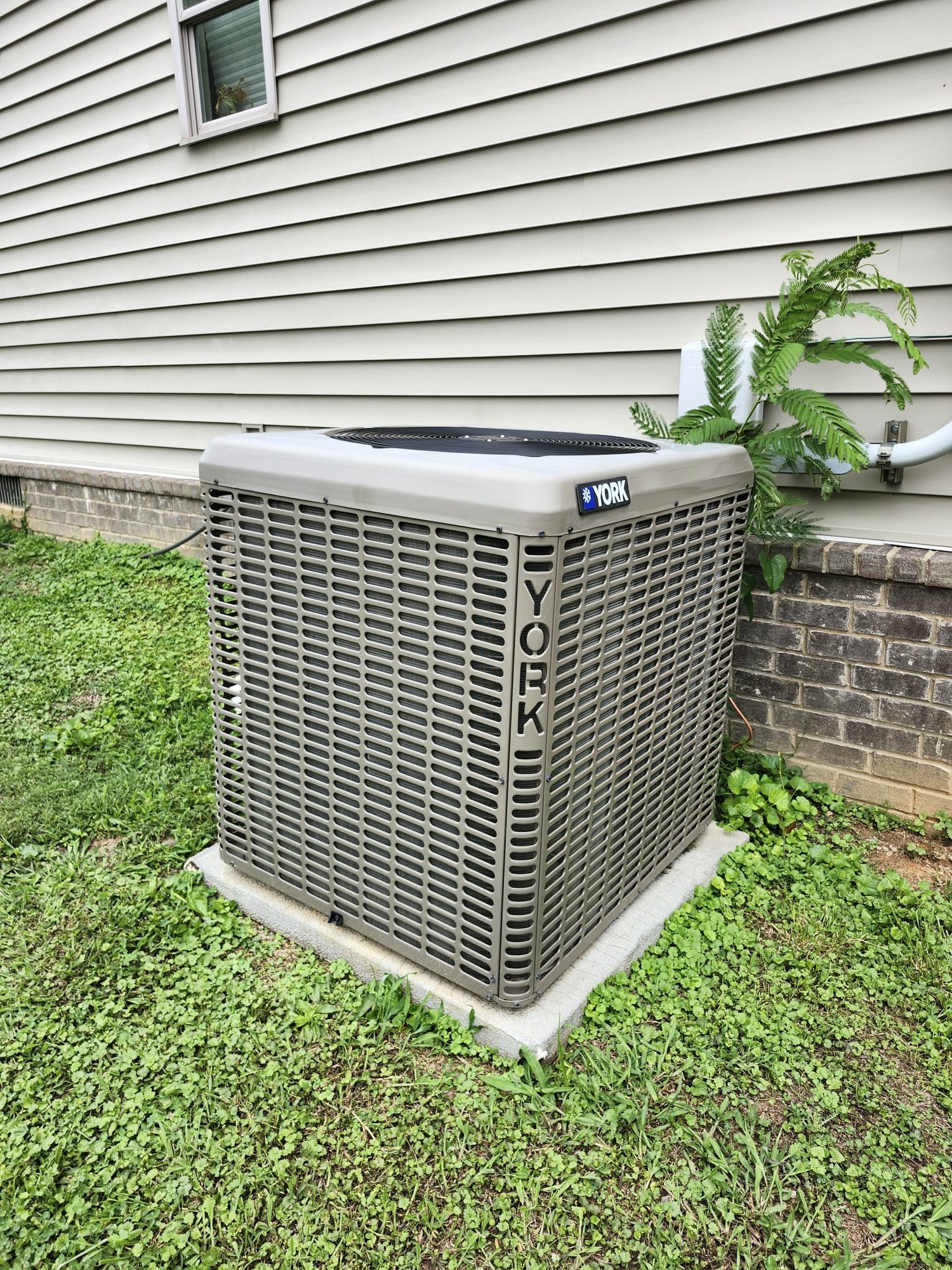
What the homeowner noticed
This kind of call is more common than many people think. The thermostat may appear to be working, the indoor fan may still run, and yet the air from the vents never gets properly cold. In the summer, that can turn into a big comfort problem very quickly.
In many cases, the issue is not a major system failure. It can be something small that affects how the outdoor unit starts up or how well air moves through the home. That is why a HEP technician will usually begin with a careful inspection instead of guessing.
What the HEP technician checked
The service visit focused on the outdoor equipment first. The technician checked the electrical compartment and looked at the parts that help the system start and run safely.
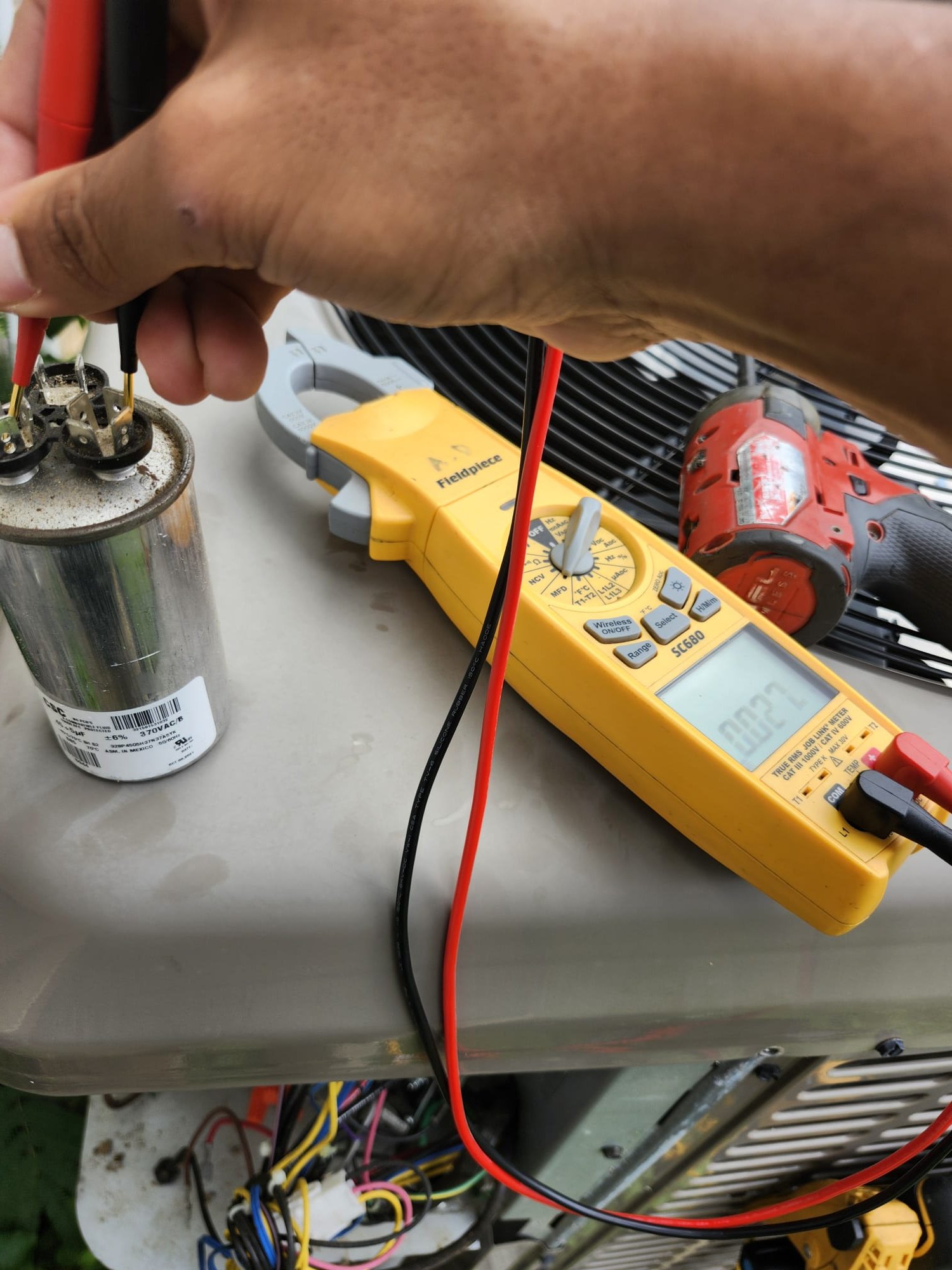
One of the main things found during the visit was a part that helps the compressor get going. When that part weakens or fails, the outdoor unit may not start correctly. To a homeowner, it can look like the system is “on,” but the house never cools down the way it should.
For non-technical readers, the easiest way to think about it is this: the AC has several helpers behind the scenes, and if one of them stops doing its job, the whole cooling process can suffer.
How the problem was solved
A replacement part was installed in the outdoor unit, and the system was tested again afterward. Once that was done, the equipment came back on properly and the home’s cooling operation returned to normal.
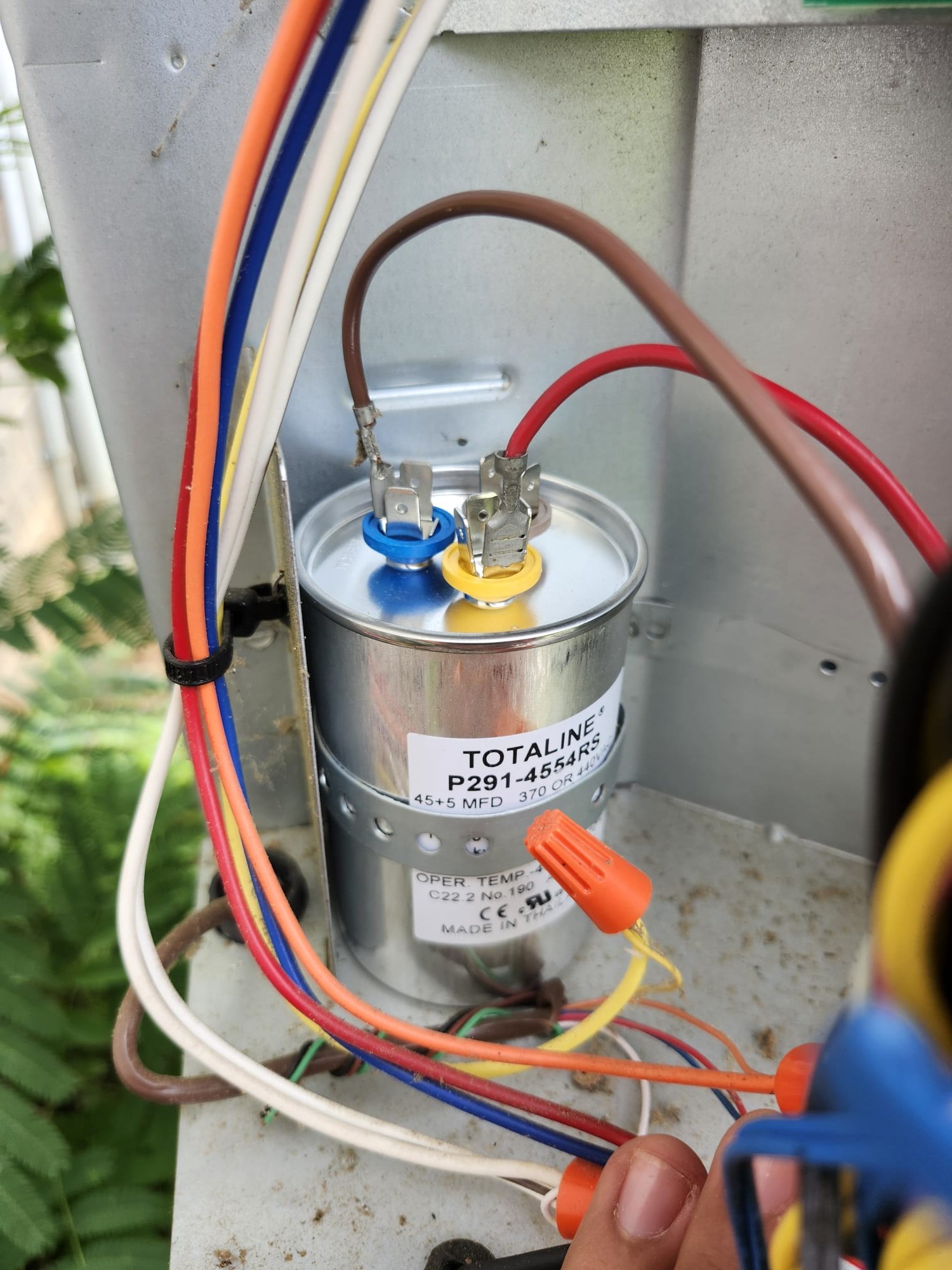
This is a good example of how a small repair can make a big difference. A single worn component can keep a home from cooling, but once a HEP technician identifies the cause, the fix can be straightforward and effective.
Why dirty filters matter more than many homeowners realize
During the visit, the homeowner was also advised to replace very dirty filters. That advice matters.
A clogged filter makes it harder for air to move through the system. When airflow is restricted, the AC can struggle to keep up, and the home may feel warmer than it should. Dirty filters can also make the equipment work harder than necessary.
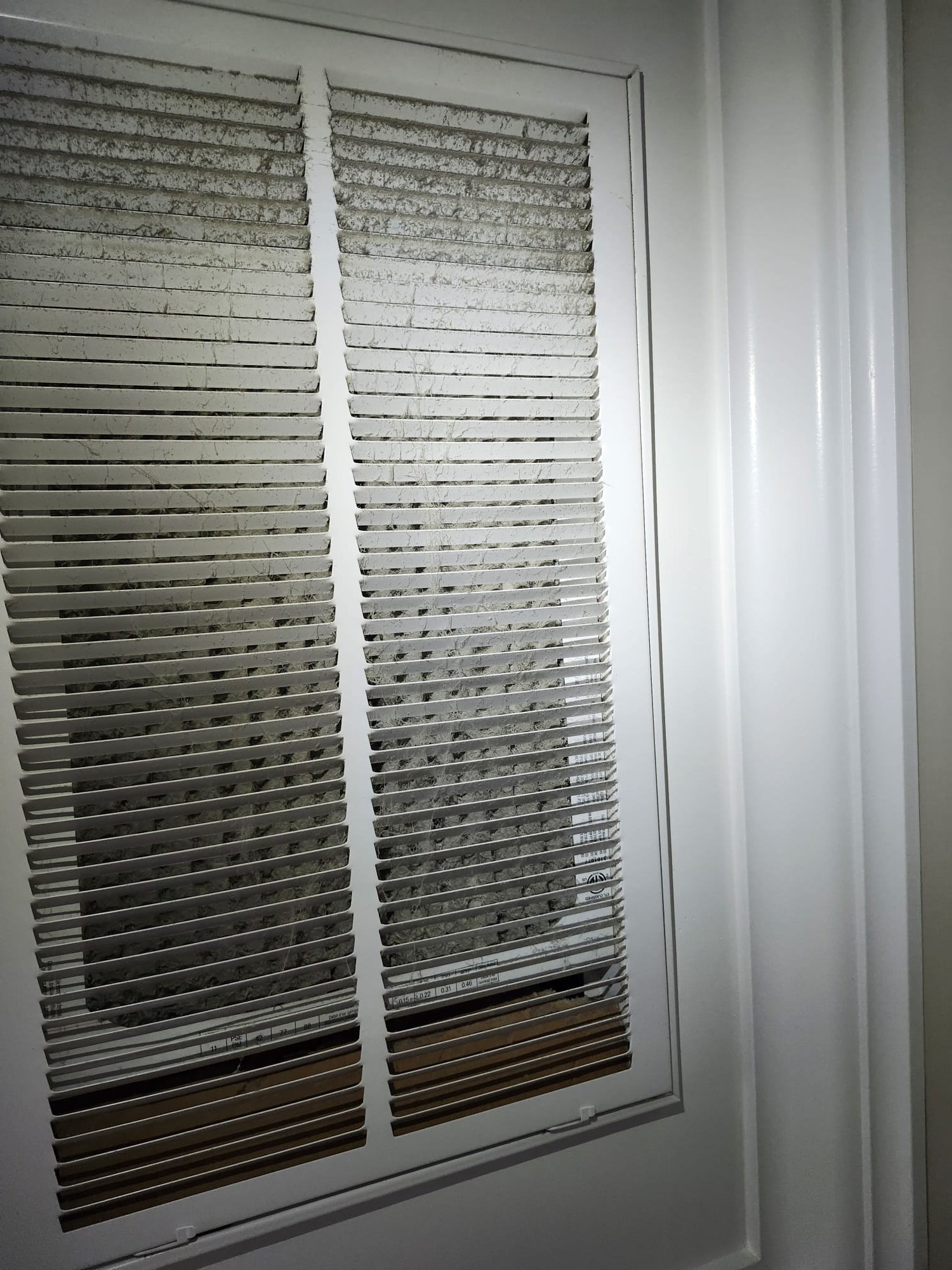
If you have pets, filters often need attention even more often. In homes with cats or dogs, pet hair and dander can build up quickly. A good habit is to check the filter regularly and replace it before it gets packed with dust.
Simple homeowner tips to help avoid cooling problems
Here are a few easy ways to keep your HVAC system in better shape:
- Check your filter often. If it looks dirty, replace it.
- Change filters more often if you have pets. Homes with multiple animals may need more frequent changes.
- Keep the outdoor unit clear. Grass, weeds, leaves, and debris can block airflow.
- Listen for changes. Clicking, humming, or repeated attempts to start can be warning signs.
- Don’t ignore weak airflow. If rooms feel warm even when the AC is on, have it checked.
- Call a professional for electrical issues. Outdoor HVAC parts should be inspected by a trained HEP technician.
When to call for help
If your system is running but the home is still uncomfortable, it is a good time to schedule service. In Cleveland, changing weather and summer humidity can make small HVAC problems feel much bigger.
A HEP technician can help find out whether the issue is a starting part, a filter problem, an airflow concern, or something else that needs attention. The sooner the system is checked, the easier it is to restore comfort and reduce unnecessary wear on the equipment.
In this case, the solution was simple but important: replace the failed outdoor part, verify that the system was operating correctly, and remind the homeowner to stay on top of filter changes.
Published on July 3, 2026