What to Do When Your Home Stops Cooling Even Though the AC Is Running
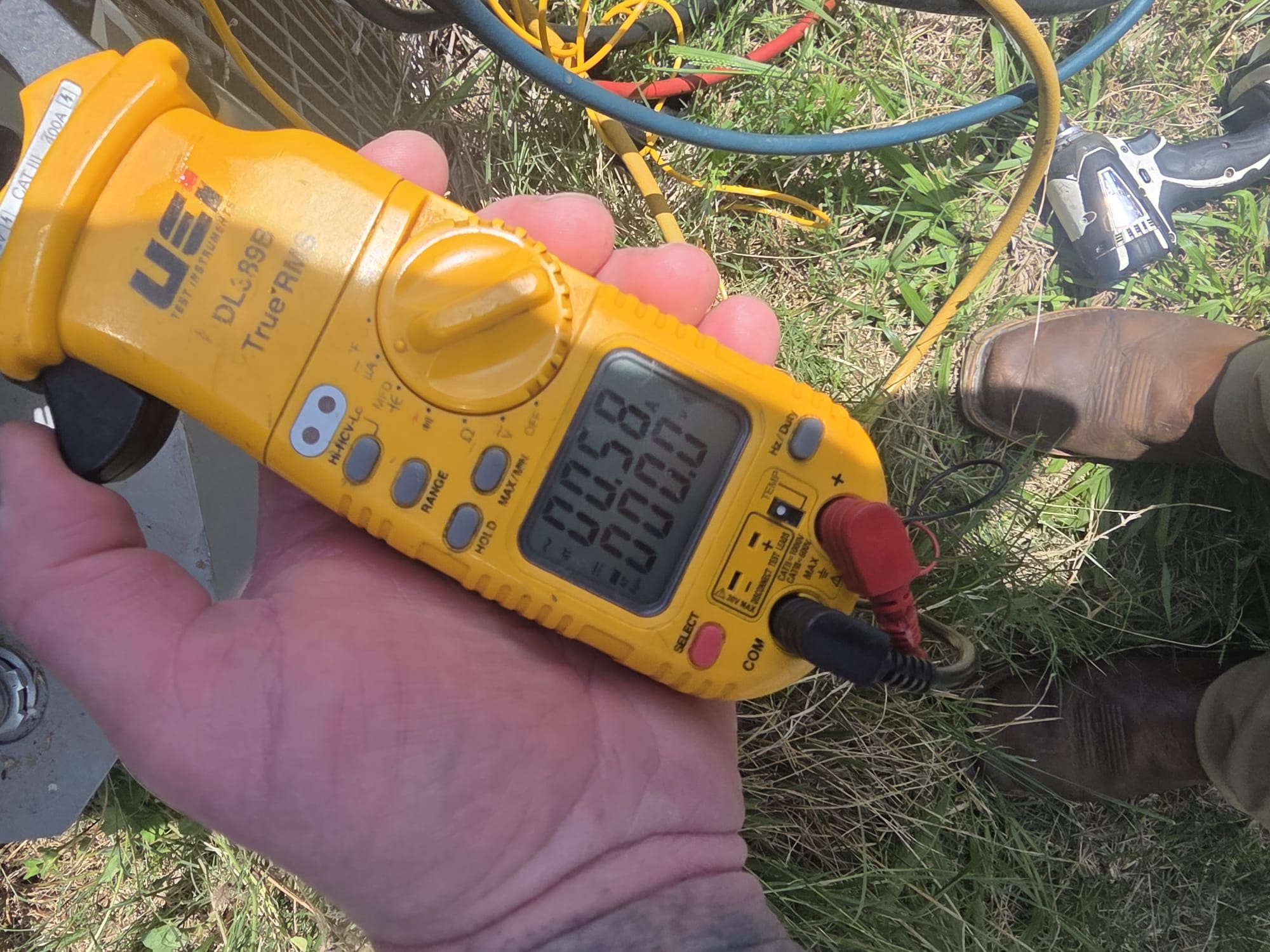
A Knoxville homeowner reported that the house was staying warm even though the indoor system was still turning on. During the visit, a HEP technician found that the outdoor equipment had power available, but one key switching part was no longer sending that power where it needed to go. After that part was replaced and the system was tested again, the home started cooling properly.
If you want background on Heating and Air Conditioning, local service in Knoxville, or Heating and Air Conditioning in Knoxville, this case is a good reminder that a “no cool” problem is often smaller than it first seems.
Why the House Felt Warm
One of the most confusing HVAC problems for homeowners is when the indoor fan is running but the air never gets cold enough. That can make it seem like the whole system has failed, when in reality only one part of the cooling process is not working.
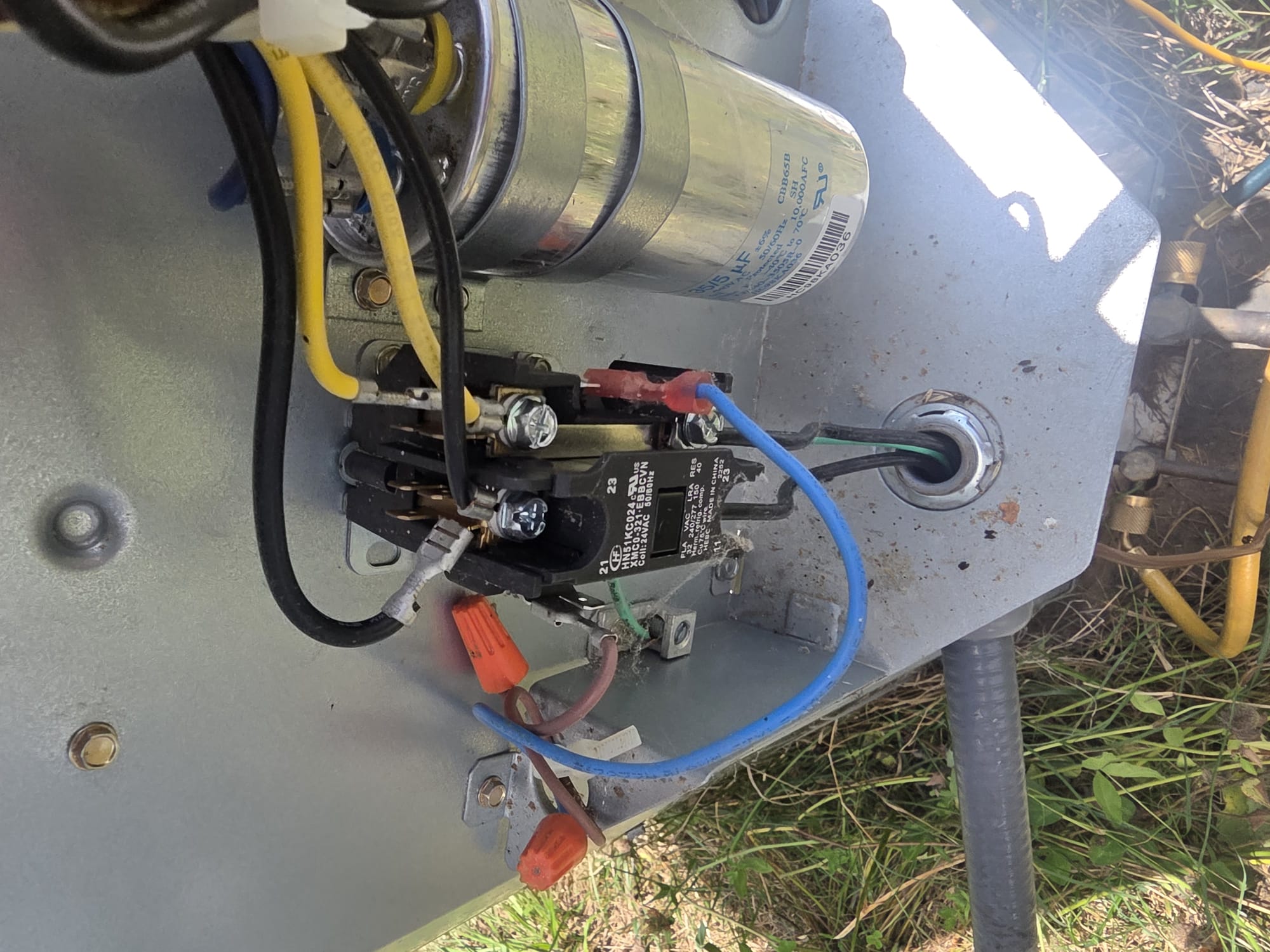
In this Knoxville service call, the indoor equipment was operating, but the outdoor unit was not completing its job. A HEP technician traced the problem to an electrical component that should have passed power through to the outside system. Once that part was replaced, the system came back to life.
What Homeowners Should Know About “No Cool” Calls
1. A running blower does not always mean you have cooling
Your indoor unit can still move air around the house even if the cooling section is not active. That means you may feel air from the vents, but it will not feel cold.
A good first clue is simple: if the air is blowing but the home keeps getting warmer, the problem may be outside the living space rather than inside it.
2. Small electrical parts can stop the entire system
Many homeowners expect a major mechanical failure when the AC stops cooling. In reality, a small electrical switch can sometimes be the weak link. When that happens, the rest of the equipment may be perfectly capable of working, but it never gets the signal or power it needs.
That is why a HEP technician tests the equipment instead of guessing. Careful testing helps avoid replacing parts that are still working fine.
3. Your breaker panel matters more than you may think
If the outdoor unit loses power, the problem may start at the panel or another electrical connection. Homeowners do not need to open the panel themselves, but it helps to know where the HVAC breakers are located so you can describe the issue clearly when you call for help.
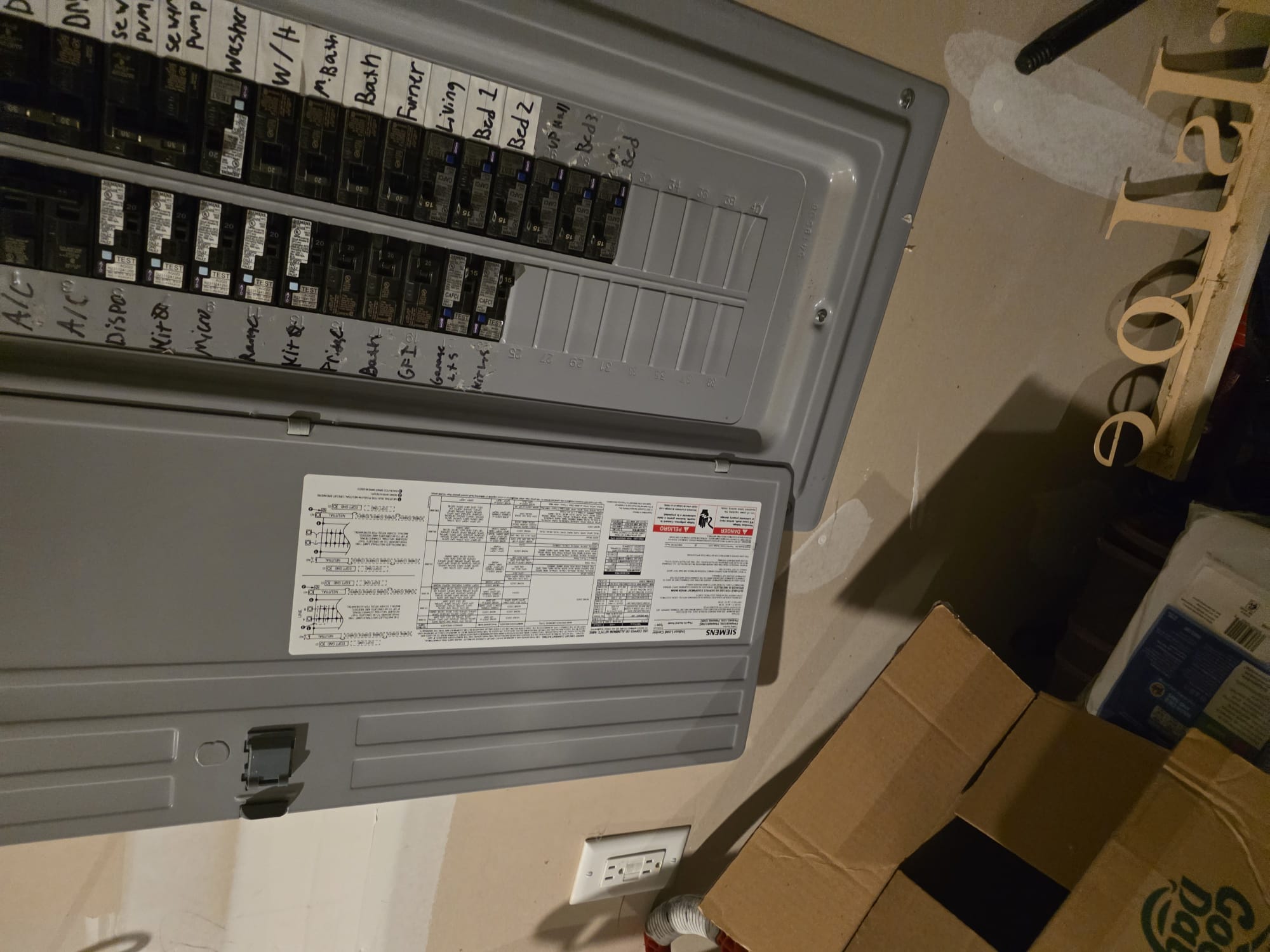
If a breaker has tripped once, that can be a sign of a larger issue. Repeatedly resetting it is not a good long-term fix. It is better to have a HEP technician check what caused the interruption.
Simple Things Homeowners Can Check First
Before calling for service, there are a few easy items you can look at:
- Thermostat setting: Make sure it is set to cooling mode.
- Filter condition: A clogged filter can reduce airflow and make the home feel uncomfortable.
- Outdoor unit area: Keep grass, weeds, leaves, and yard debris away from the condenser.
- Supply vents: Make sure furniture or rugs are not blocking airflow inside the house.
- Breaker status: If safe to do so, check whether the HVAC breaker has tripped.
These checks will not fix every problem, but they can help rule out the simplest causes.
Why Professional Testing Helps
HVAC equipment has both low-voltage control parts and higher-voltage power parts. A homeowner can usually tell that something is wrong, but a trained HEP technician can tell where the problem is happening.
That matters because the outdoor unit may look normal from the outside while an internal part has failed. In this case, the system needed a specific repair, followed by a full test to make sure everything was operating properly again.
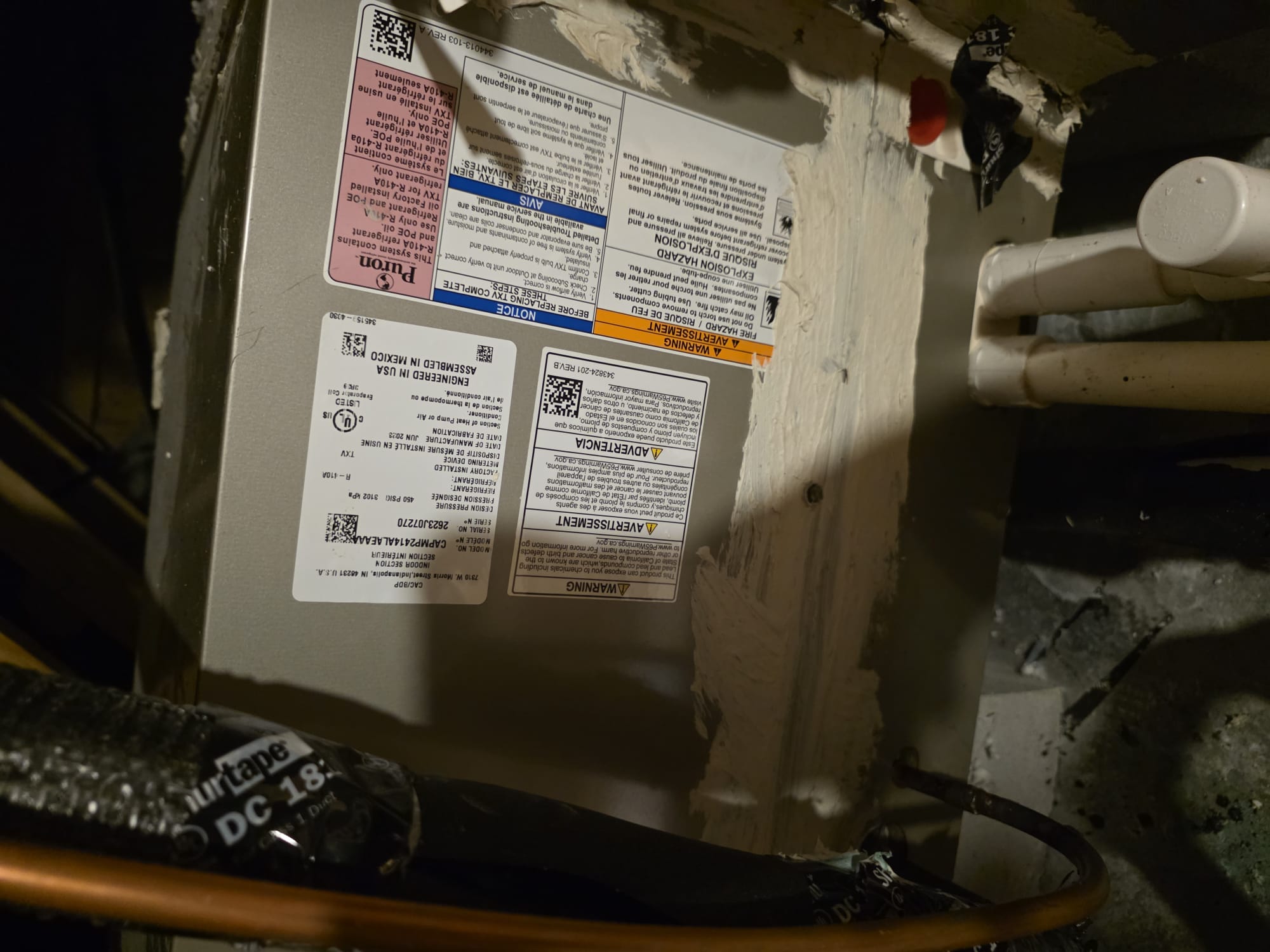
A full check after the repair is important. It helps confirm that:
- the outdoor unit starts the right way,
- the indoor unit is moving air correctly,
- the system is actually cooling the home,
- and no new issue is hiding behind the first one.
A Good Rule for Homeowners
If your AC is running but the house is not cooling, do not assume the worst right away. Often, the issue is a single failed component or an electrical problem that can be found with proper testing.
The Knoxville call above is a good example: the system looked like it should work, but one part was preventing the outdoor equipment from doing its job. Once that part was replaced, the home began cooling again.
If you notice the same symptoms in your own home, a HEP technician can help pinpoint the cause and restore comfort without unnecessary guesswork.
Final Takeaway
A cooling problem is not always about the entire air conditioner. Sometimes it is about one failed switch, a breaker issue, or a blocked airflow path. Regular upkeep, clean filters, and quick attention to unusual behavior can help you avoid a longer outage.
For homeowners in Knoxville, knowing these basics makes it easier to spot trouble early and get the right help when it matters most.
Published on July 20, 2026