What Athens Homeowners Can Learn from a Gutter Replacement Project
Roofing · Athens · Roofing in Athens
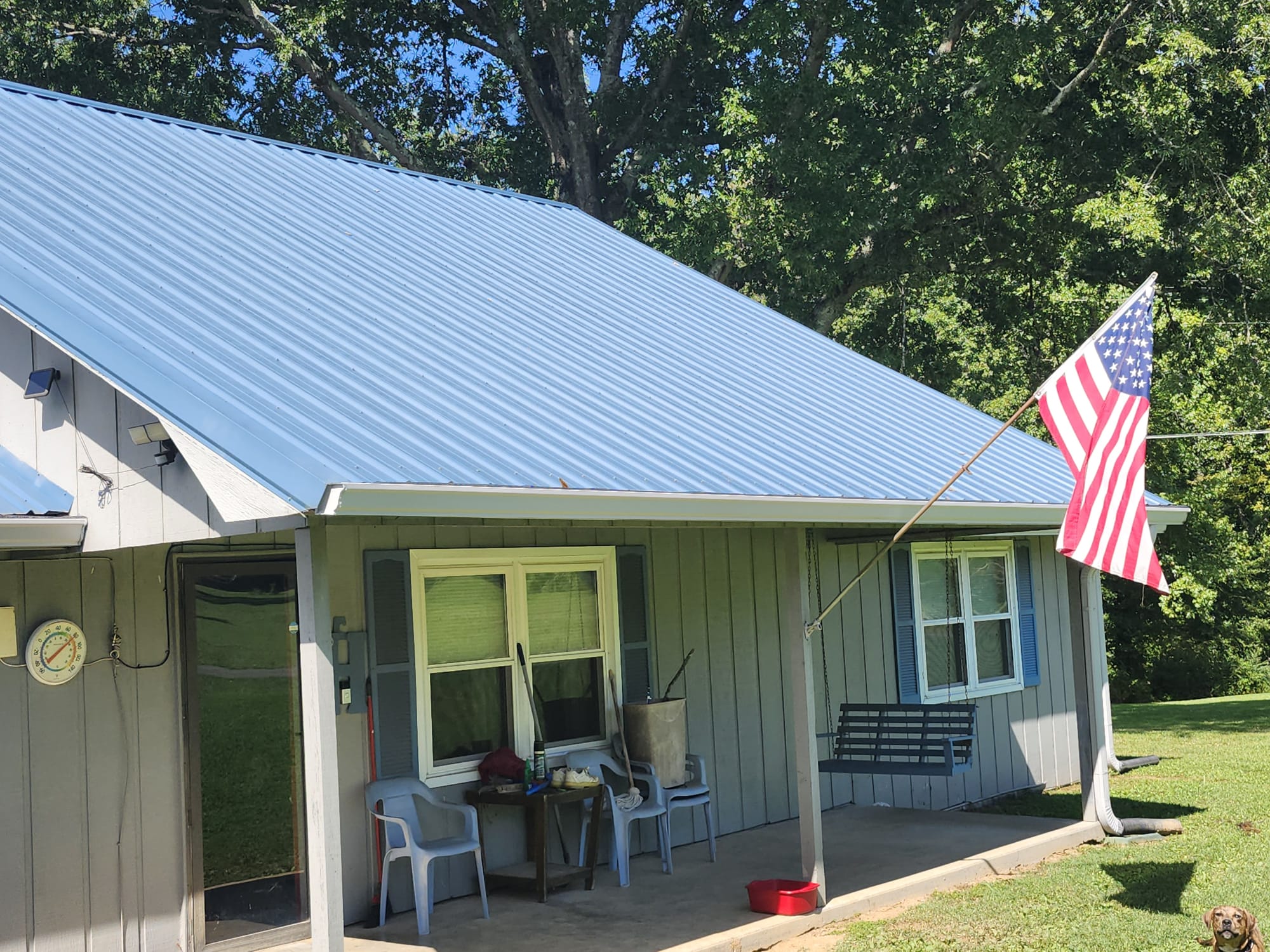
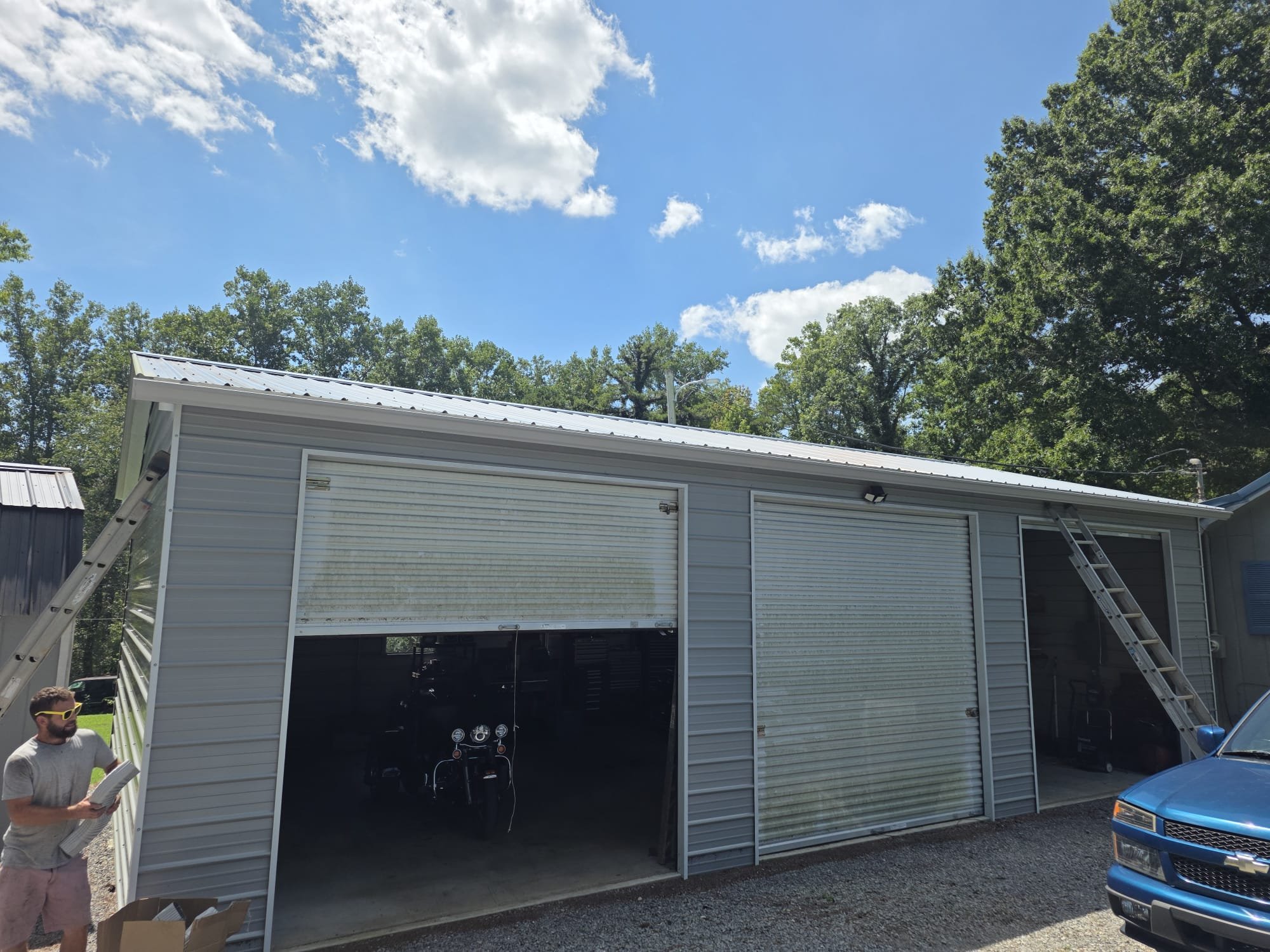
A homeowner in Athens reached out because rainwater was no longer moving through the gutter system the way it should. The roof itself was not showing signs of leaking, but the gutters were old, slightly out of line, and not feeding into the downspouts correctly. During the same visit, a separate drain-line concern was also discussed. A HEP technician reviewed both issues, and the plan was to refresh the roof drainage on the home and the second building, then follow up on the plumbing question under the house. The work was performed in Athens, Tennessee.
What the homeowner noticed
One of the biggest lessons from this case is that a gutter problem does not always start with a roof leak. In many homes, the first signs are subtle:
- Water spills over the edge instead of moving through the gutter
- Rain seems to miss the downspout
- Sections look uneven or pulled away from the house
- Leaves and debris collect in spots where water should flow
- The system is about as old as the house itself
If you notice these warning signs, it may be time for a HEP technician to take a closer look. Sometimes a simple repair is enough. Other times, the safer long-term answer is replacement.
When gutters stop working, the problem can spread
A gutter system is meant to do one job: catch rainwater and move it away from the home. When it cannot do that, water can start showing up in places it does not belong.
That can lead to:
- Wet siding
- Stained trim
- Soil washing out near the foundation
- Puddles near entryways
- Extra wear on landscaping
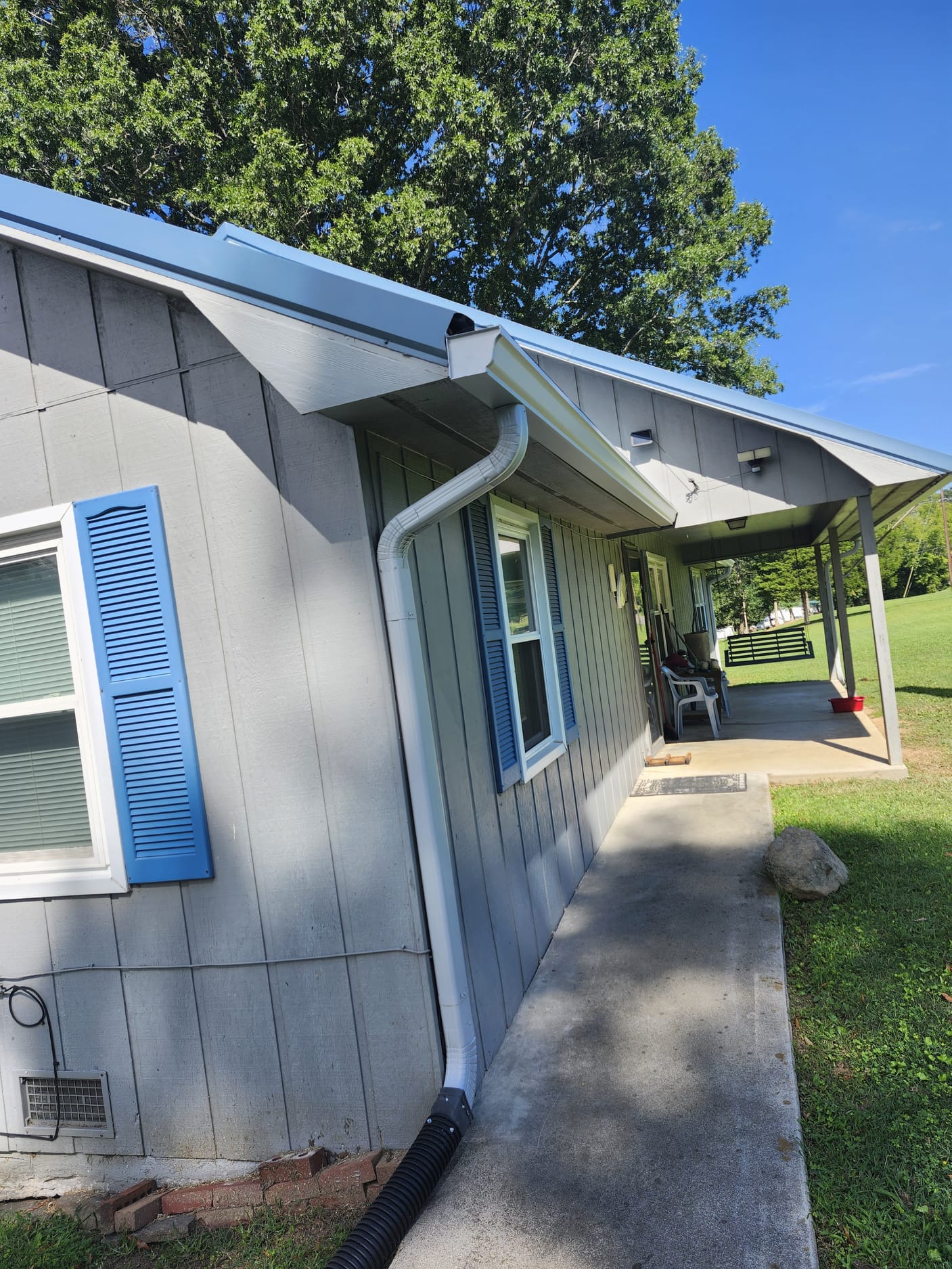
For this Athens project, the existing gutters were no longer lined up well enough to do the job cleanly. Replacing the worn system gave the home a better path for rainwater and helped reduce the chance of future water trouble.
Why downspouts matter just as much as gutters
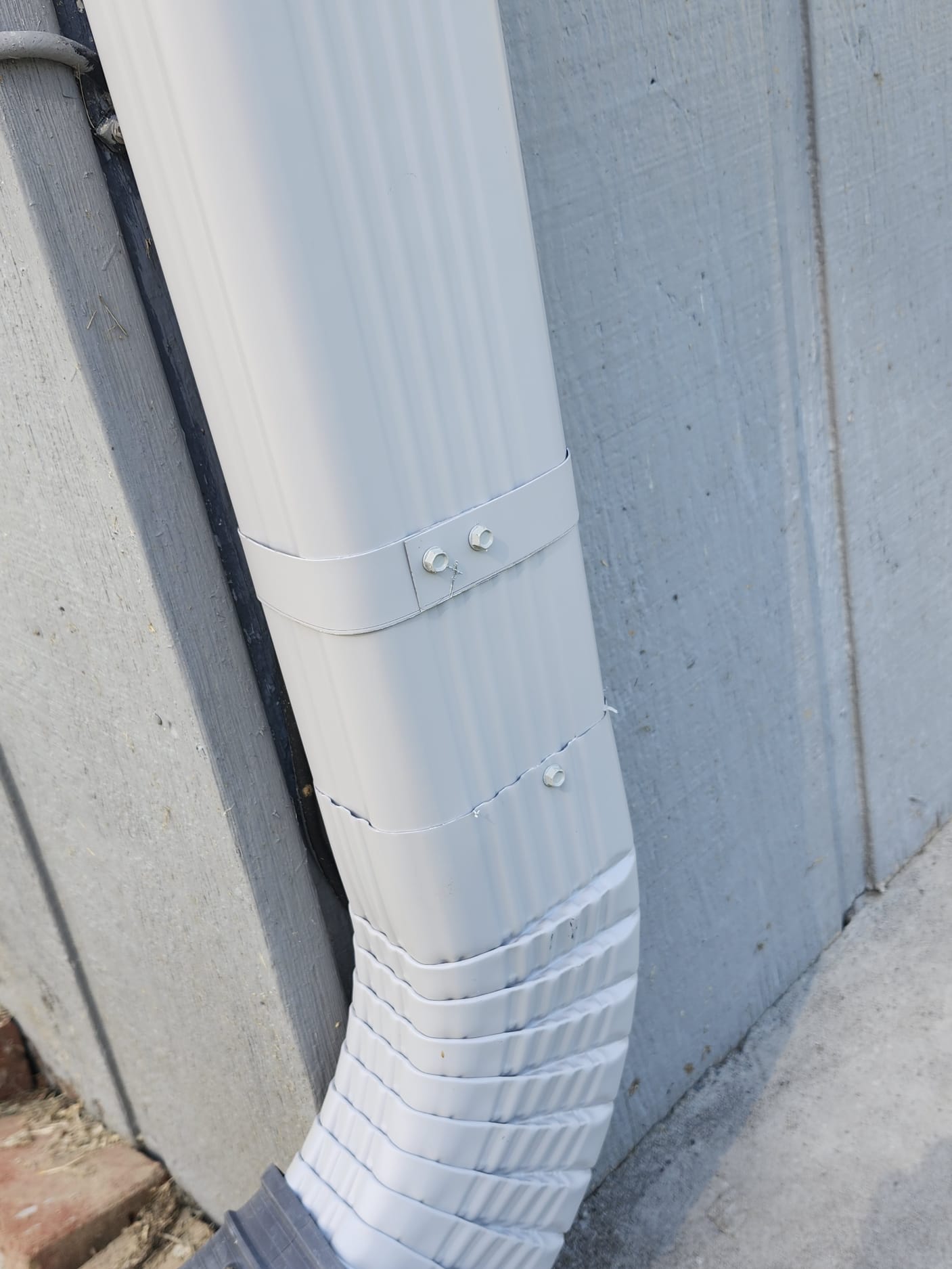
Many homeowners focus on the gutter itself and forget about the downspout. But the downspout is what carries the water away from the roofline and toward a safer spot on the ground.
A few simple things make a big difference:
- The opening must line up with the gutter
- The pipe should be secure
- The water should be carried far enough from the house
- The end of the pipe should not dump water right next to the foundation
In this project, the drainage pieces were updated so the new gutter system could work as intended. That matters because even a good gutter will fail if the water has nowhere to go after it leaves the roof edge.
Don’t overlook hidden plumbing drainage
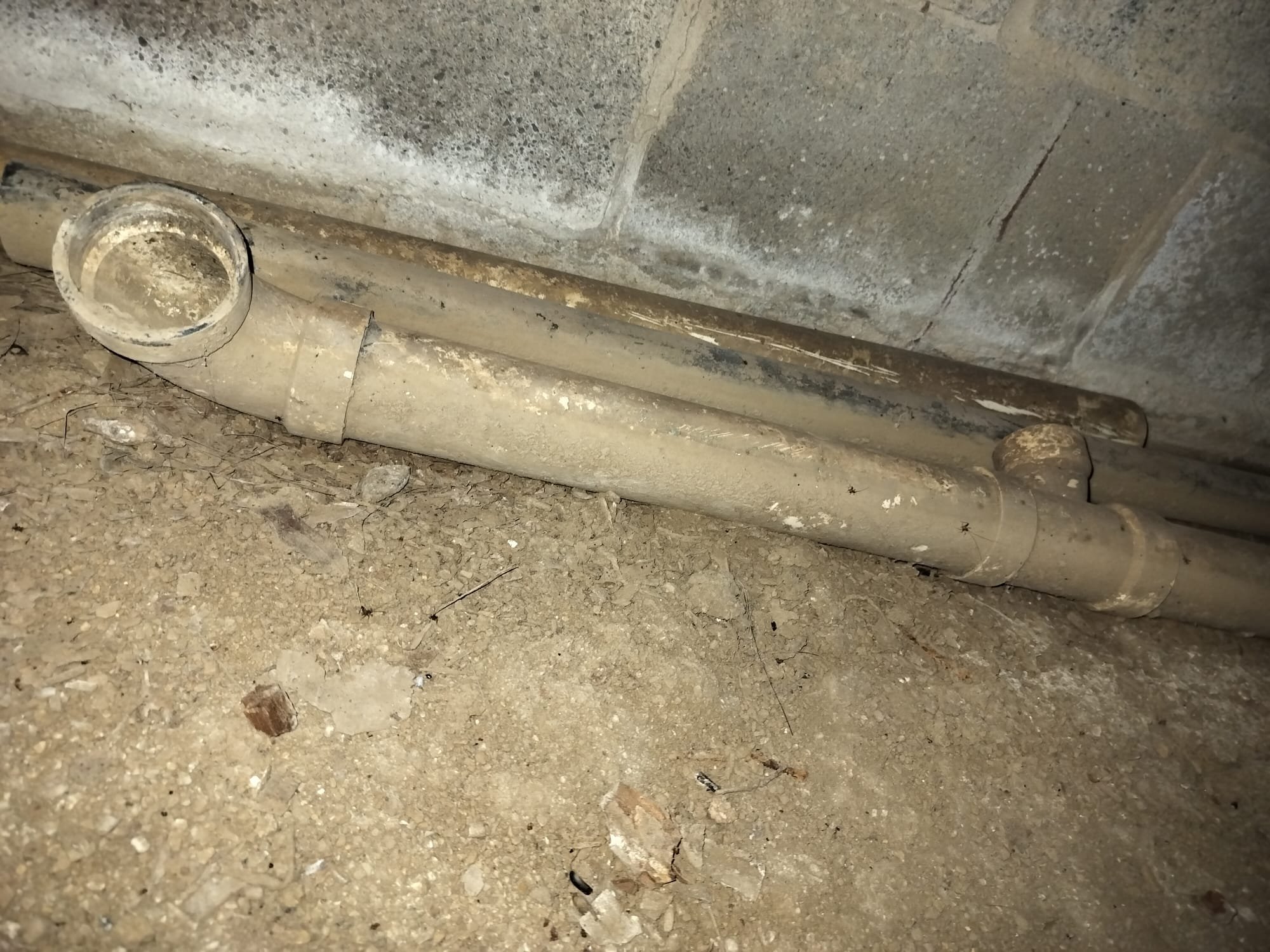
This home also had a separate drainage question under the house. That is another good reminder for homeowners: problems inside the walls or under the floor can stay hidden for a long time.
If a kitchen drain line, laundry line, or other pipe is not connected correctly, the signs may be easy to miss at first. Watch for:
- Slow draining
- Unusual odors
- Damp spots
- Water showing up where it should not
- A crawlspace that looks wetter than normal
A plumbing issue in a tight crawlspace can be especially hard to spot without help. If the space is cramped, dirty, or hard to move through, it is best to have a HEP technician inspect it rather than guessing at the problem yourself.
Gutter guards help, but they still need a good base system
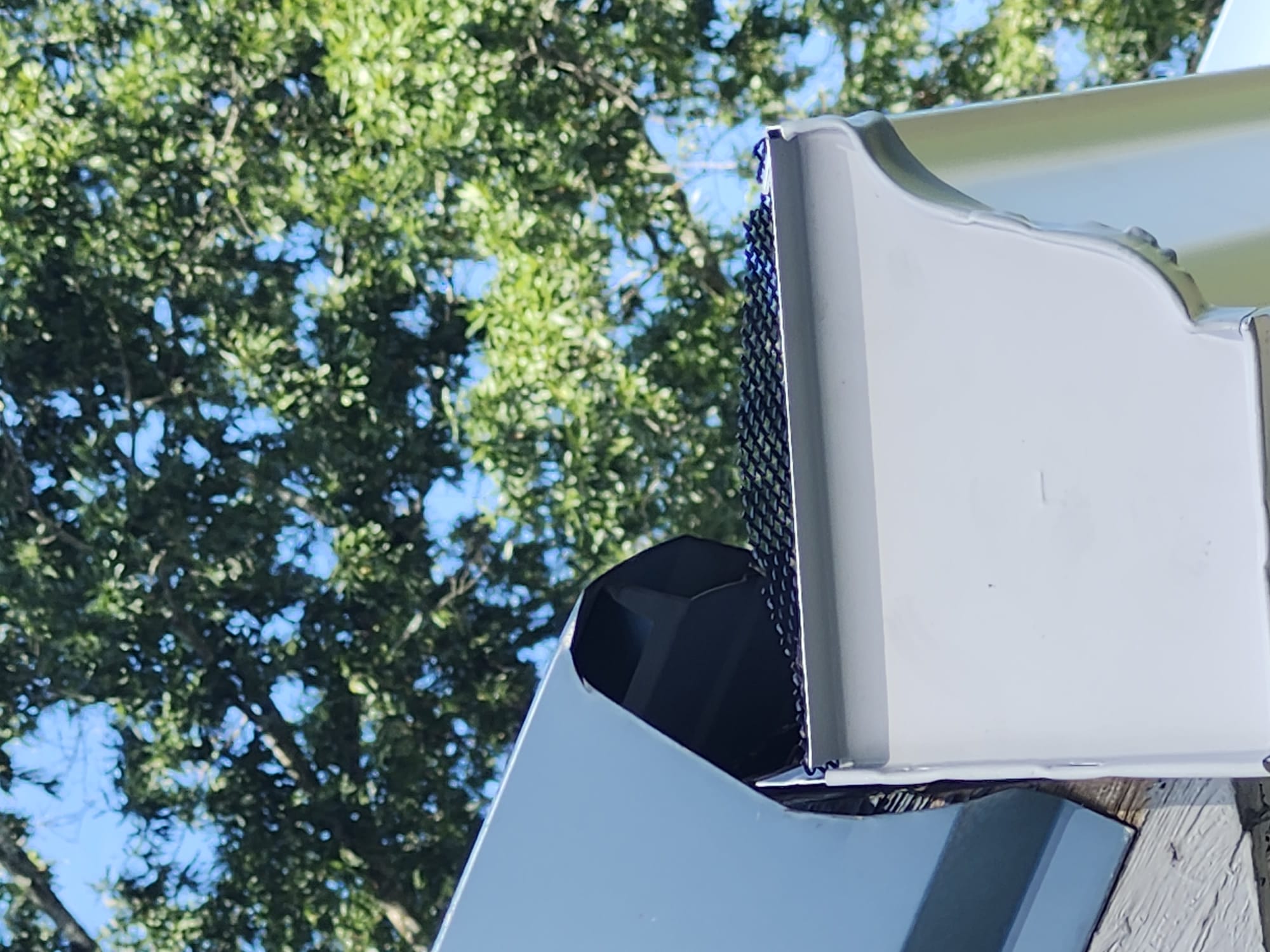
Some homes already have mesh guards in place, and that can be helpful. Guards can reduce leaf buildup and make cleaning easier. But they do not fix a gutter that is sagging, poorly aligned, or too old to hold water correctly.
That is why a good roof drainage project looks at the whole setup:
- Gutters
- Downspouts
- Elbows and connections
- Drainage path on the ground
- Nearby roof edges and trim
In this Athens job, the existing guards were reused where possible, but the rest of the system had to be refreshed so everything worked together again.
How HEP solved the issue
The solution was straightforward once the system was inspected:
- Old gutters were removed and replaced
- The home and the second structure were both updated
- Downspouts were added and connected properly
- Mesh guards were put back in place
- A separate plumbing follow-up was arranged for the drain-line concern
For the homeowner, that meant fewer worries about water spilling where it should not, and a clearer next step for the plumbing question under the home. For a property in Athens, that kind of coordinated approach can protect both the roofline and the areas below it.
A few simple homeowner tips
If you want to stay ahead of gutter trouble, keep these habits in mind:
- Walk around the house after a heavy rain
- Look for water marks on siding or trim
- Check that downspouts are still attached
- Clear leaves and debris before they build up
- Ask about both roof drainage and plumbing drainage if water is showing up in more than one place
Sometimes the smartest repair is the one that protects the whole property, not just the part that looks bad from the street.
In this Athens project, HEP technicians helped restore proper drainage on the roof side and identified a separate plumbing concern that needed attention. It is a good example of how small drainage problems can turn into bigger ones if they are left alone too long.
Published on September 25, 2026