What a Slow Kitchen Sink Drain Can Mean for Cosby Homeowners
Helpful local resources for homeowners: Plumbing, Cosby, and Plumbing in Cosby.
A homeowner in Cosby noticed that the kitchen sink was leaving water in the basin after normal use. A HEP technician inspected the area under the sink, found a grease-heavy blockage, and corrected the drain setup so water could move out properly again. This plumbing service was performed in Cosby.
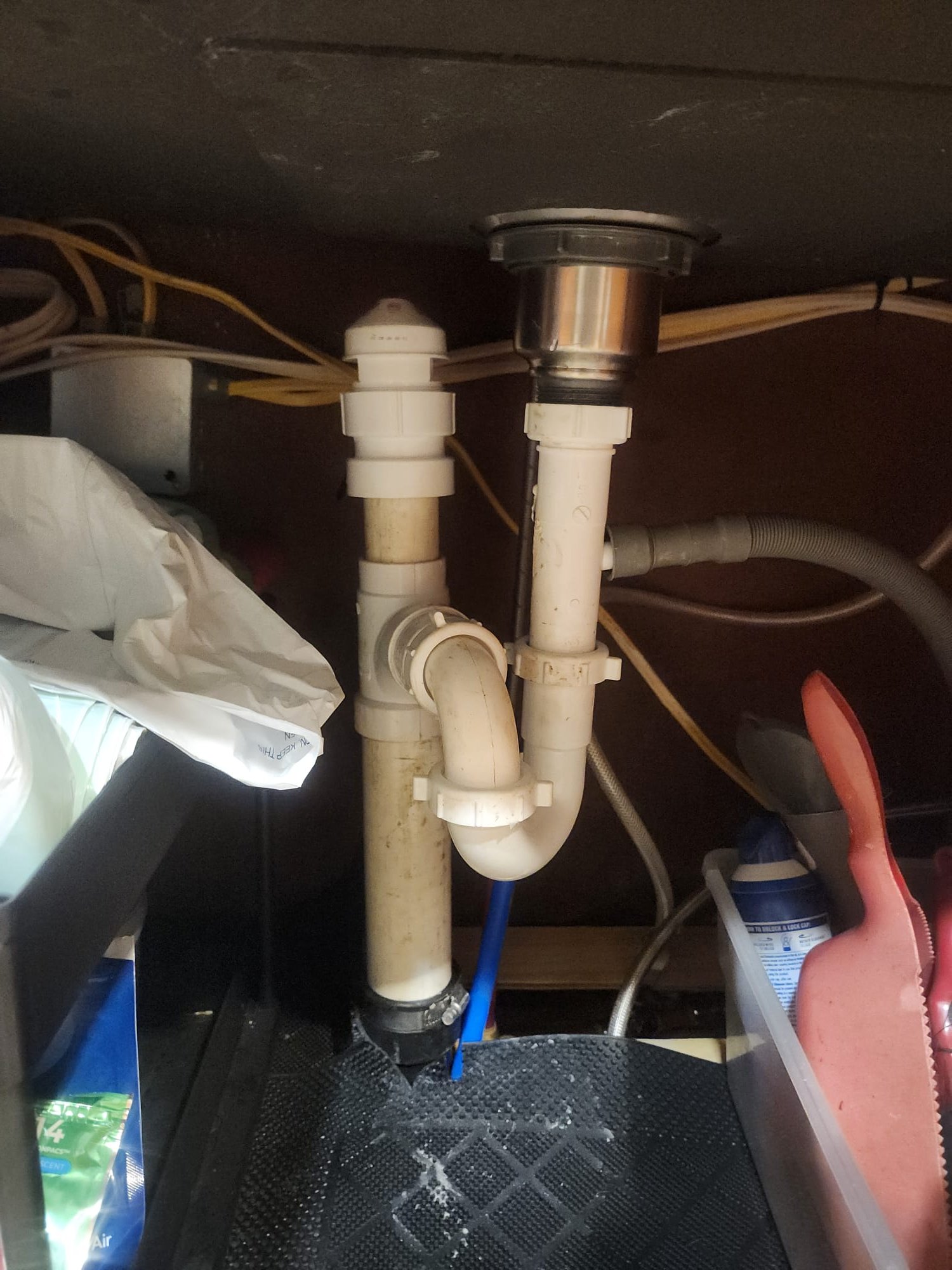
Why a slow drain should get attention early
A kitchen sink that starts emptying more slowly than usual is often giving an early warning. In many homes, the reason is ordinary buildup from cooking grease, food scraps, and soap residue. Those materials can stick inside the pipe and slowly make the opening smaller.
Homeowners may also notice:
- water sitting in the sink longer than usual
- a gurgling sound after the faucet is turned off
- a faint odor coming from the drain
- the need to run water longer to clear the sink
Catching the problem early usually makes the repair easier and helps prevent a full backup later on.
What the HEP technician found under the sink
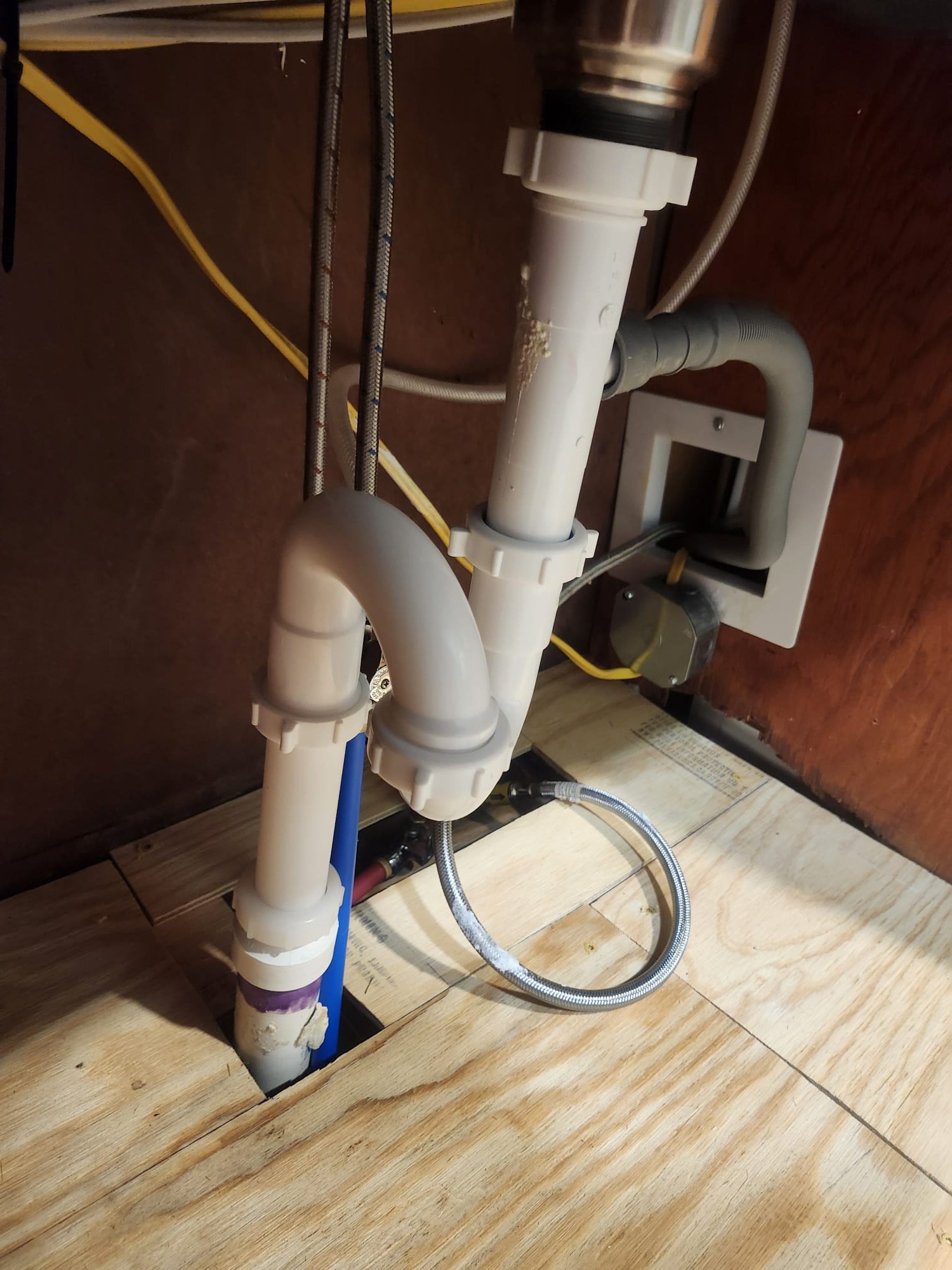
The area below the sink mattered just as much as the drain itself. The HEP technician found that the blockage was not the only concern — the piping underneath needed to be set up more cleanly so the water could leave the sink without trouble.
Once the clog was cleared and the under-sink plumbing was improved, the sink began draining the way it should. A simple repair like this can make a big difference in daily use, especially in a kitchen that gets used often.
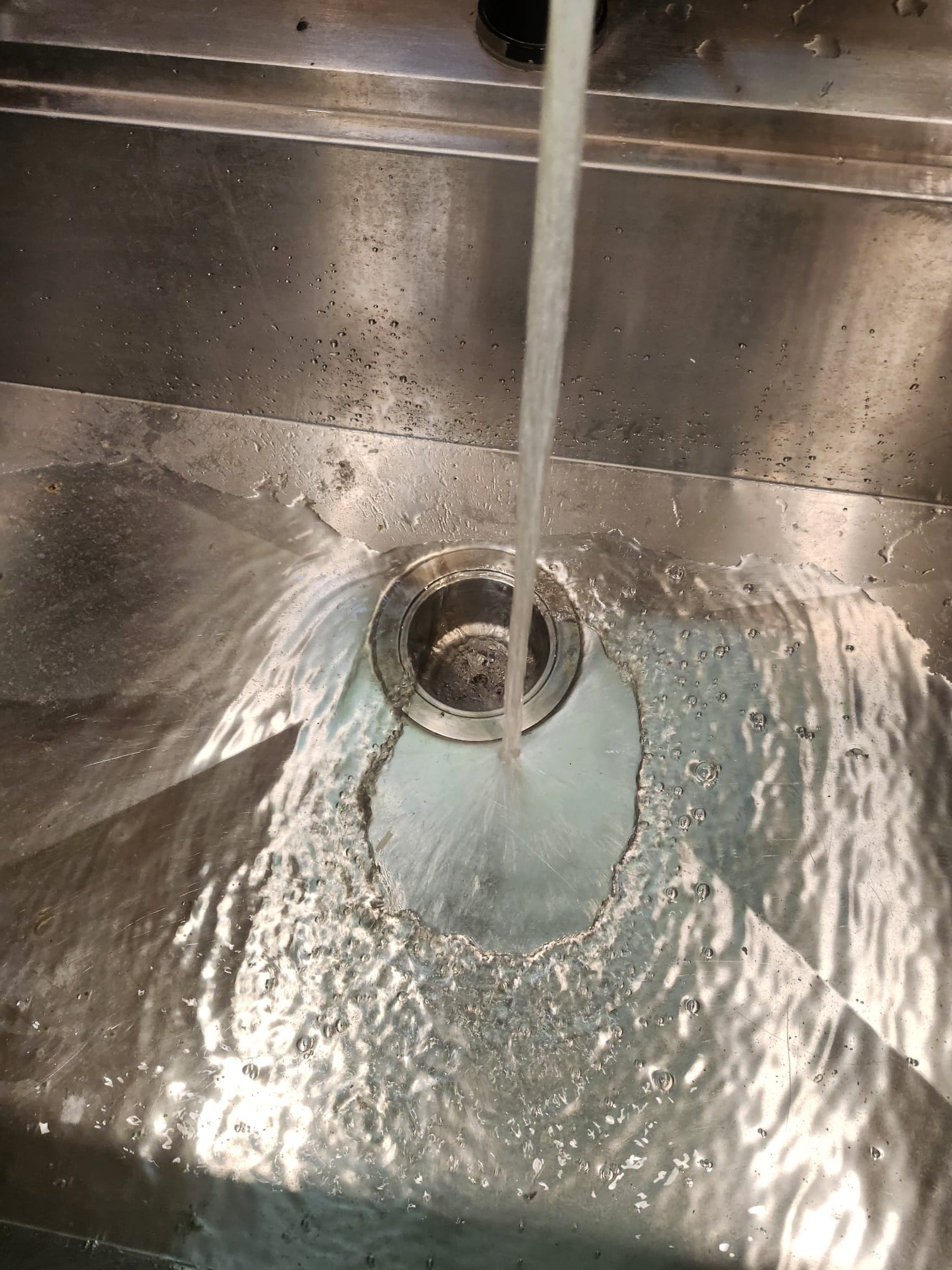
After the repair, the sink was tested with running water to make sure everything was working properly. That kind of check is important because it confirms that the sink is not just open, but actually draining well under normal use.
Simple habits that help prevent kitchen drain problems
A few easy habits can help homeowners avoid repeat drain trouble:
- Do not pour grease down the sink. Even if it looks harmless when warm, grease can cool and stick to the inside of the pipe.
- Wipe pans before washing them. Paper towels can remove a lot of leftover oil and food.
- Use a drain strainer. It helps catch scraps before they enter the drain.
- Pay attention to early changes. Slow draining is often easier to handle than a full clog.
- Avoid repeated guesswork. If a sink keeps clogging, the issue may be deeper than the drain opening.
Why the under-sink area matters
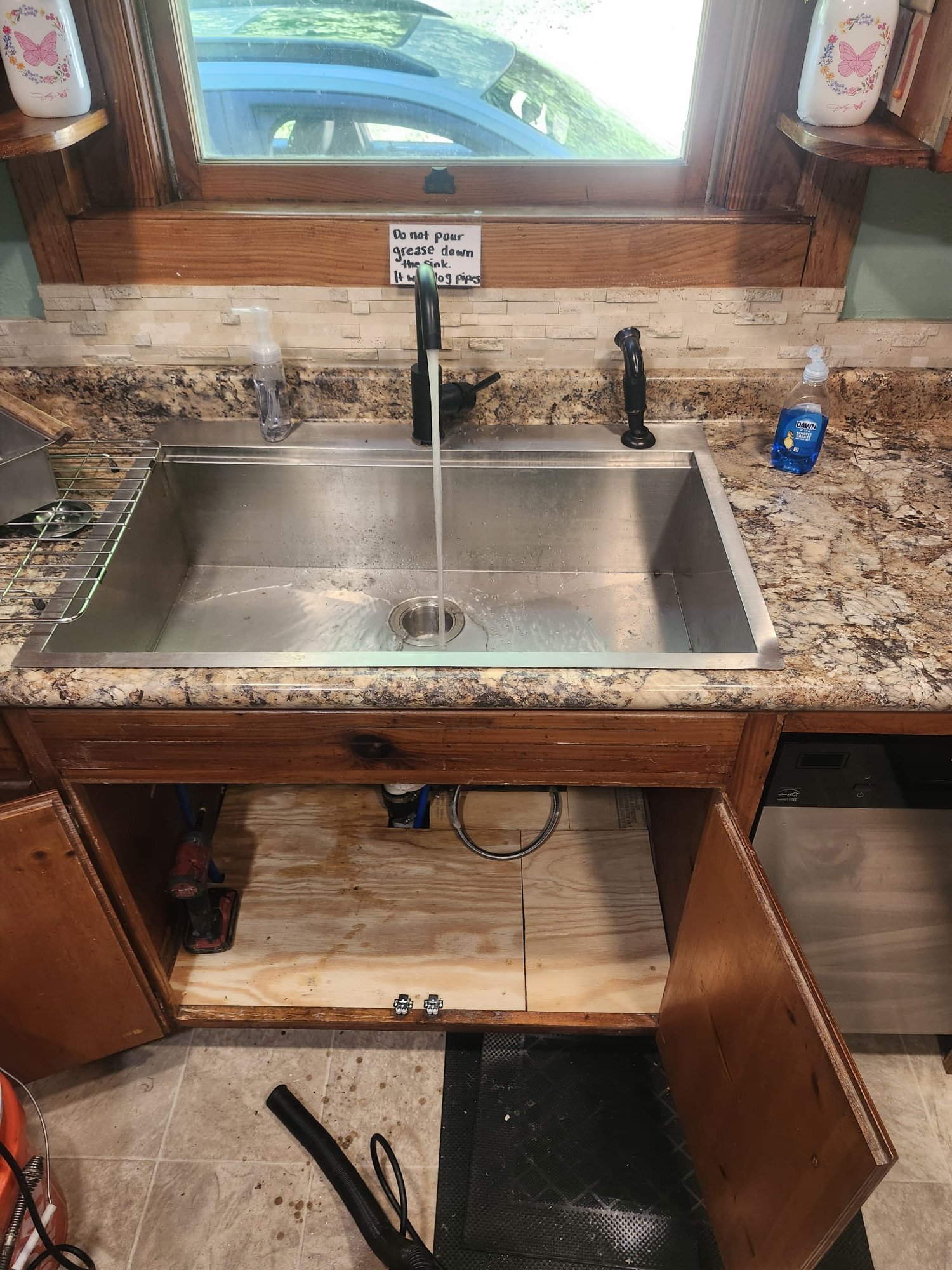
Many people focus only on the sink bowl, but the cabinet below it can reveal a lot. A damp or stained cabinet floor can be a sign that water has been escaping for a while. Even a small amount of hidden moisture can lead to odors, damage to wood, or recurring drain issues.
That is why a HEP technician often checks the whole area, not just the visible drain. A clean, properly arranged setup helps the kitchen stay easier to maintain and reduces the chance of repeat problems.
A helpful takeaway for homeowners
The main lesson from this Cosby plumbing visit is simple: a slow kitchen sink is worth checking sooner rather than later. In this case, the problem was caused by a buildup inside the drain and a setup under the sink that needed attention. The HEP technician cleared the blockage, improved the drain area, and confirmed the sink was working normally again.
If your kitchen sink starts acting differently, do not ignore it. Early attention can help protect your cabinets, prevent odors, and keep daily kitchen chores from becoming frustrating.
Published on July 20, 2026