What a Slow Drain and a Storm-Damaged Roof Can Teach Homeowners in Morristown
A Morristown homeowner called HEP after noticing two problems that had started to make daily life stressful: the plumbing was draining slowly in the basement, and during heavy rain a small leak would show up near the roofline. A HEP technician checked the home inside and out, found that part of the drain line needed to be rebuilt so water could move the way it should, and later confirmed that the roof had taken enough weather damage that repair patches would only be a short-term answer. The plumbing was corrected, and the roof was replaced so the home would be better protected going forward.
For more local information, see Roofing, learn about Morristown, and explore Roofing in Morristown.
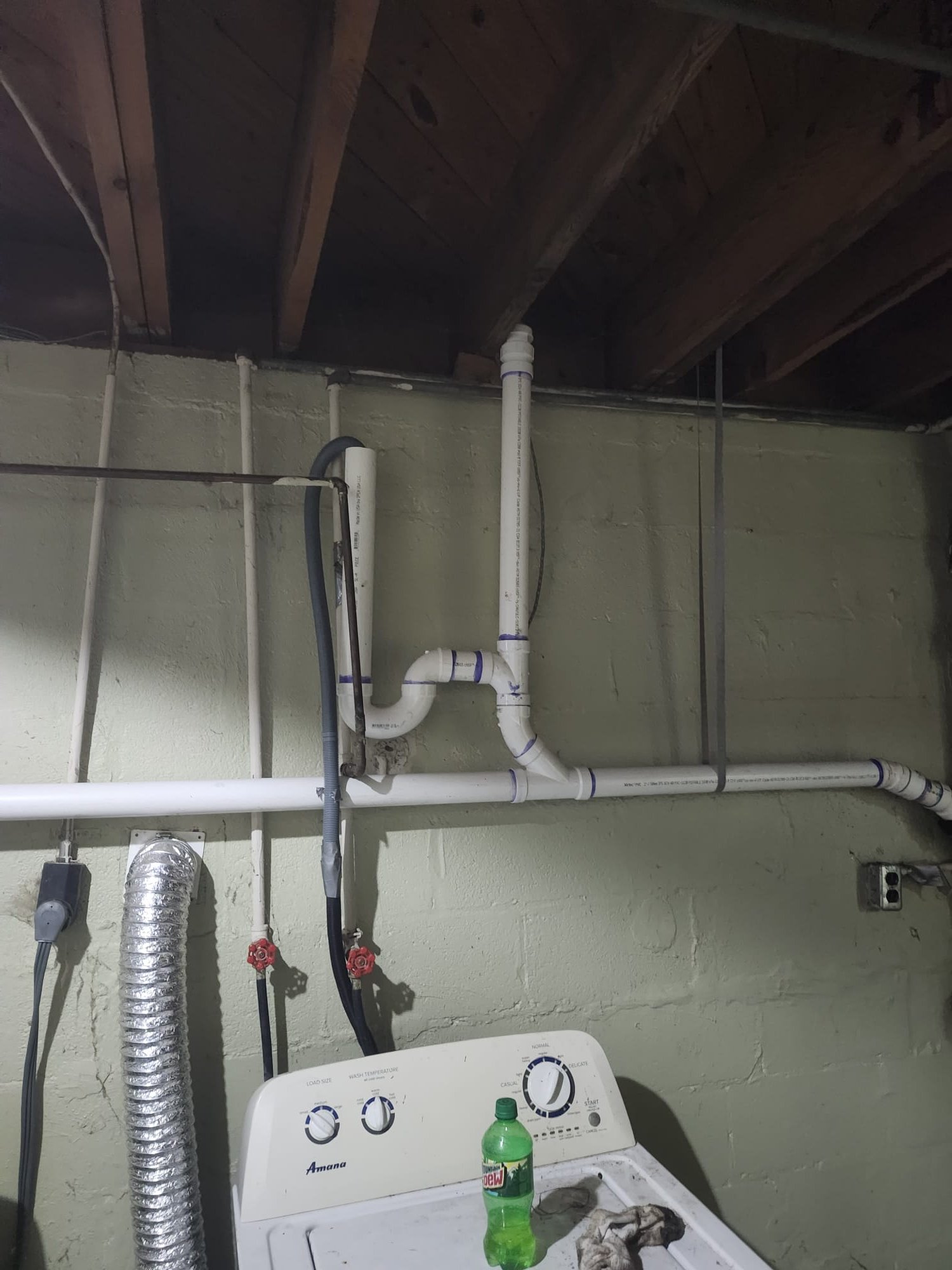
The plumbing part of this job is a good reminder that a slow drain is not always just a clog. Sometimes the real issue is hidden behind the walls or under the floor. In this Morristown home, the drain path had a section that wasn’t giving water a smooth route out of the house. After the affected area was opened up and rebuilt, the line was able to move water normally again.
A few simple homeowner tips can help you catch a plumbing problem early:
- Pay attention to patterns. If one sink is slow, that may be local. If several fixtures slow down, the issue may be farther down the line.
- Watch for repeat trouble. If a drain clears and then slows again, there may be a deeper problem.
- Listen for gurgling. Strange sounds can be a clue that water and air are not moving the way they should.
- Don’t ignore laundry area backups. Basement and laundry drains often show the first signs of a bigger flow problem.
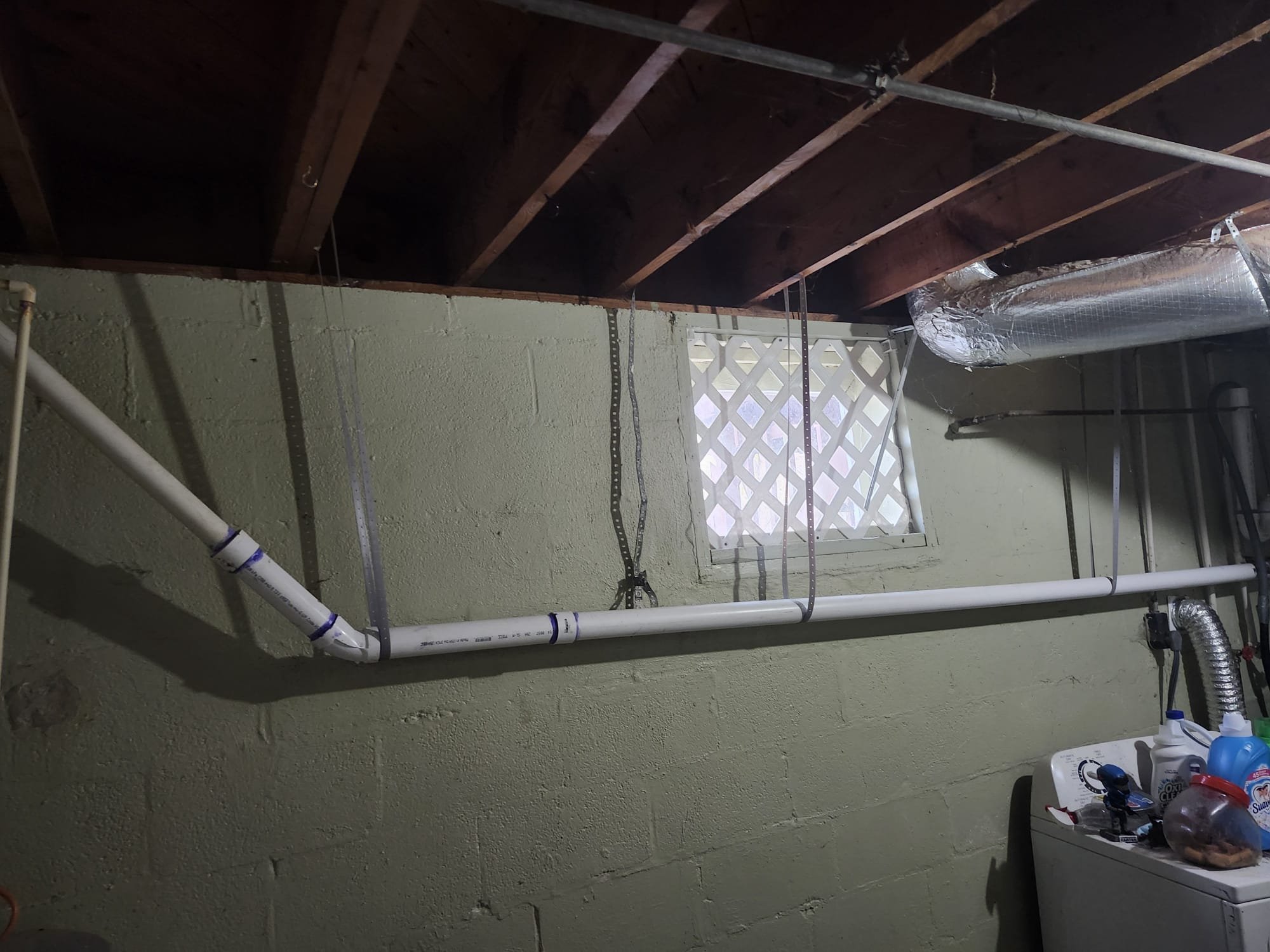
After the repair, the HEP technician made sure the new piping sat properly and connected back into the home’s plumbing the right way. That matters because a good plumbing install is not just about getting water to go out today — it is about helping the system stay reliable over time.
A helpful rule for homeowners: if a drain problem keeps coming back, it is worth asking whether the pipe layout itself needs attention. A quick fix may work for a while, but a corrected installation can save a lot of future frustration.
A Roof Leak Can Start Small
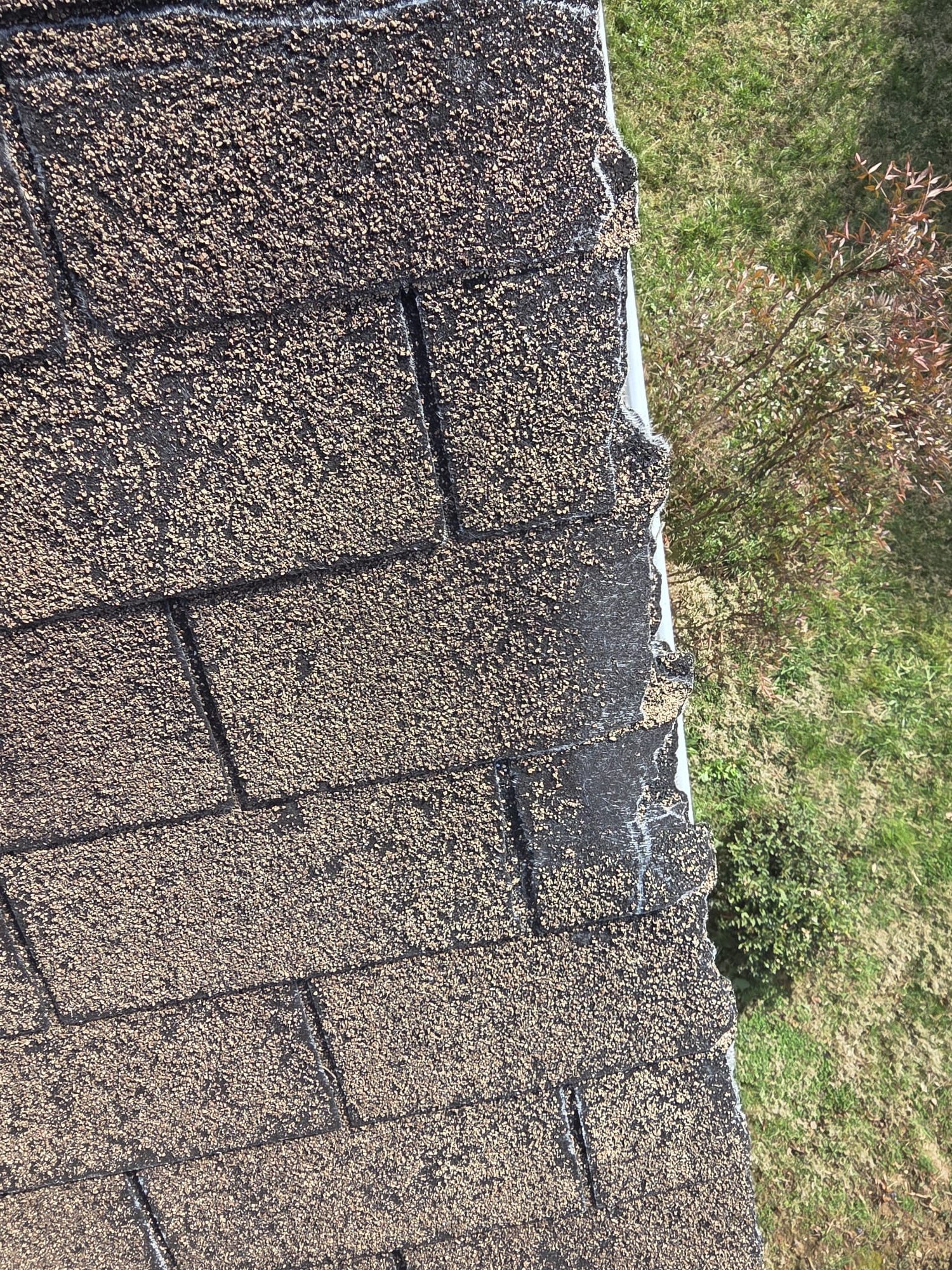
The roof inspection told a second story. After recent storms, the shingles showed clear signs of age and weather stress. Some spots had lost much of their protective surface, and the roof had reached the point where a full replacement made more sense than patching little pieces here and there.
That is a common situation for homeowners. A roof may still look “mostly fine” from the ground, but after wind, hail, and long-term weather exposure, small weak points can let water in when rain gets heavy.
Here are a few warning signs that a roof may need a closer look:
- Leaks during strong rain
- Shingles that look worn, thin, or uneven
- Dark patches or rough spots on the roof surface
- Pieces collecting in gutters
- Stains on ceilings or walls after storms
When those signs show up together, it is smart to have a roofing professional take a look before the next storm makes things worse.
How the Roof Replacement Helped
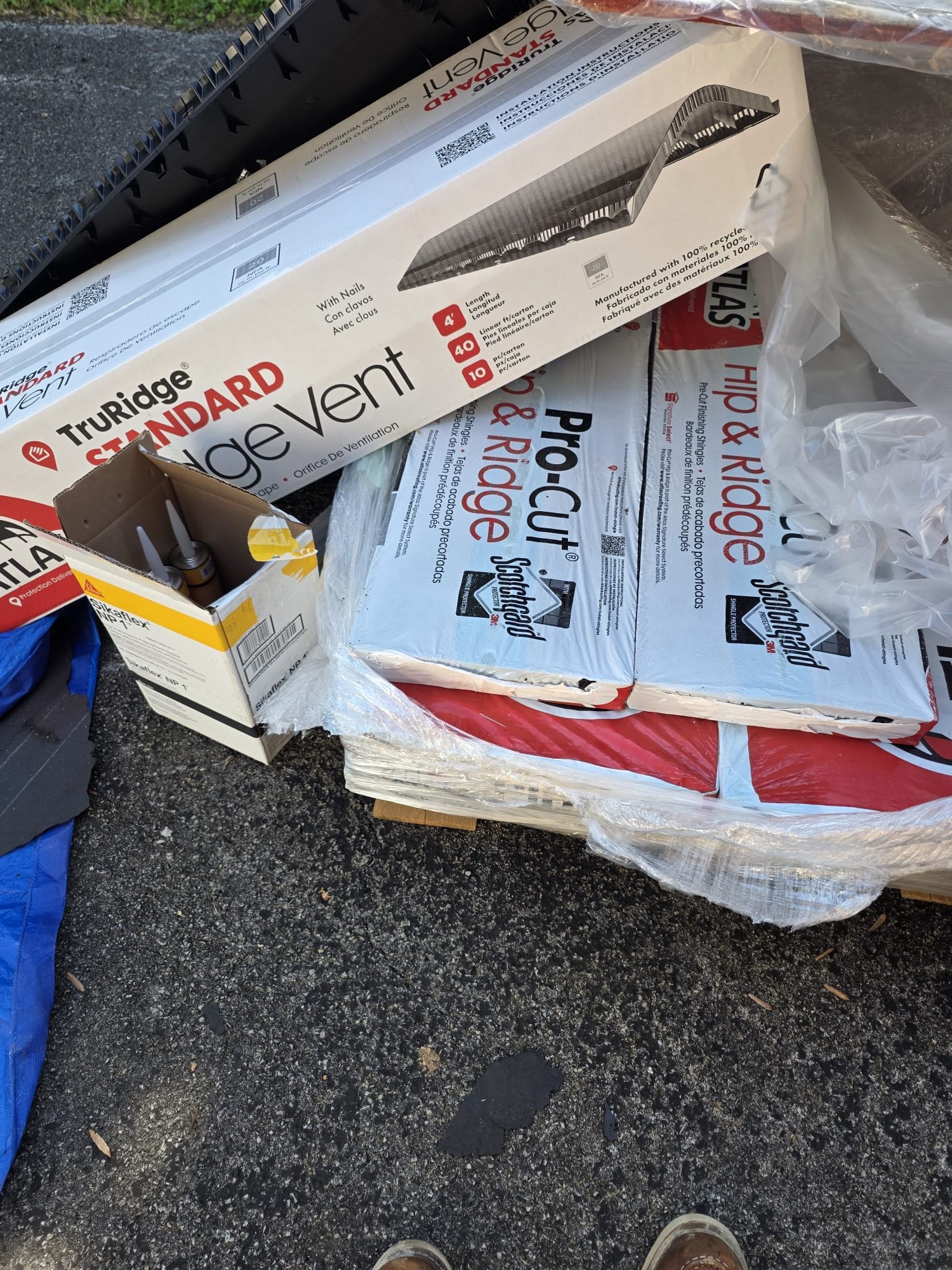
Once the homeowner agreed to move forward, HEP prepared the roof for replacement with the right materials and weather protection. For homeowners, this is the part of the job where a quality crew really matters. A roof install is more than laying down shingles — it includes careful preparation, water protection, and clean detailing around roof openings.
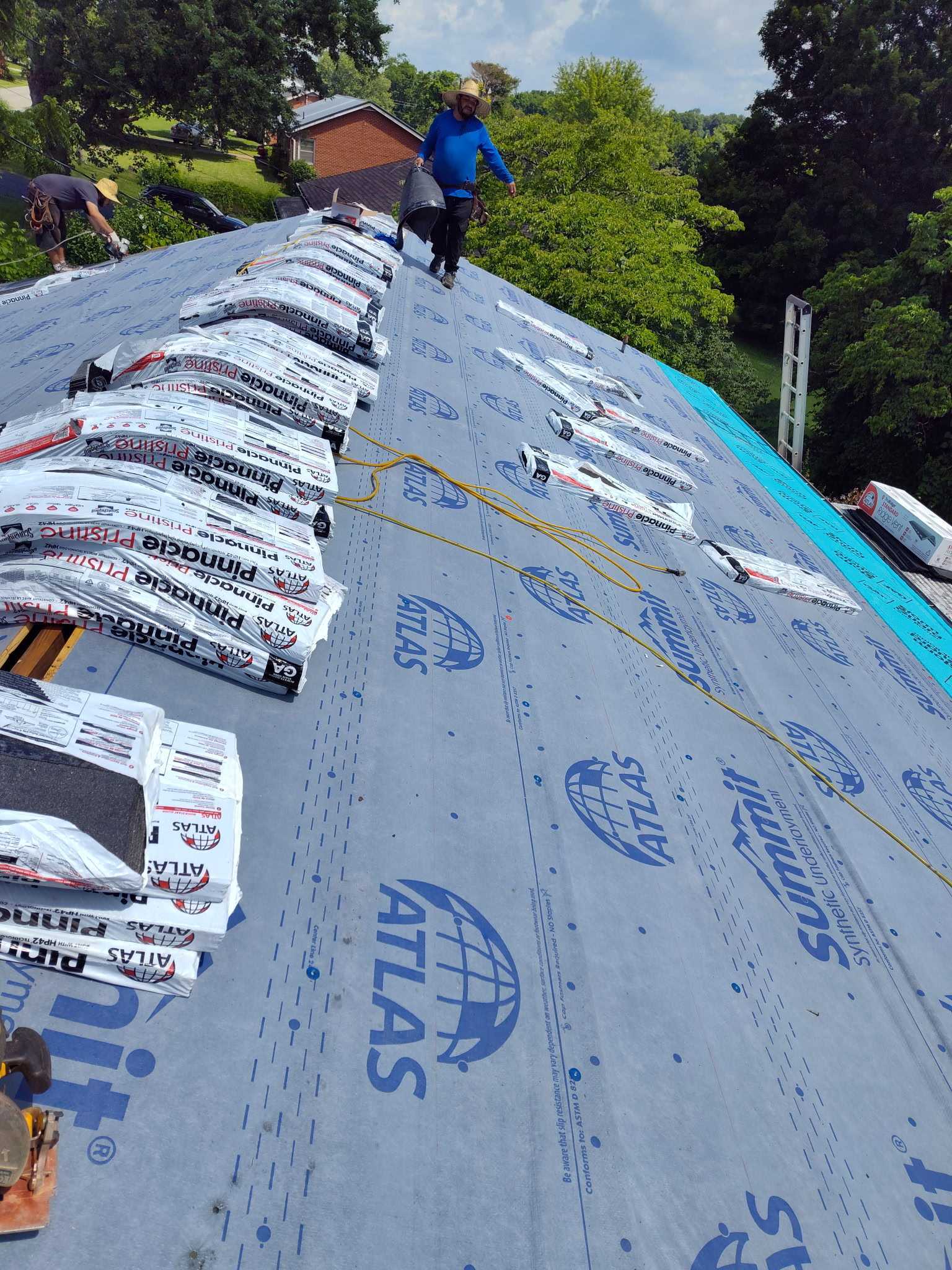
During the roofing install, the old surface was removed, fresh underlayment was put in place, and the new roof system began to take shape. This is also the stage where good workmanship matters most, because the base layers help protect the home long before the final shingles are finished.
A few things homeowners should know about a proper roof install:
- Water protection comes first. The layers under the shingles help guard against leaks.
- Ventilation matters. A roof needs a way to breathe so heat and moisture do not build up in the attic.
- Roof openings need careful sealing. Pipes and vents passing through the roof should be protected so rain stays out.
- Cleanup should be part of the job. A finished roof should look neat, with debris removed and the property left in good shape.
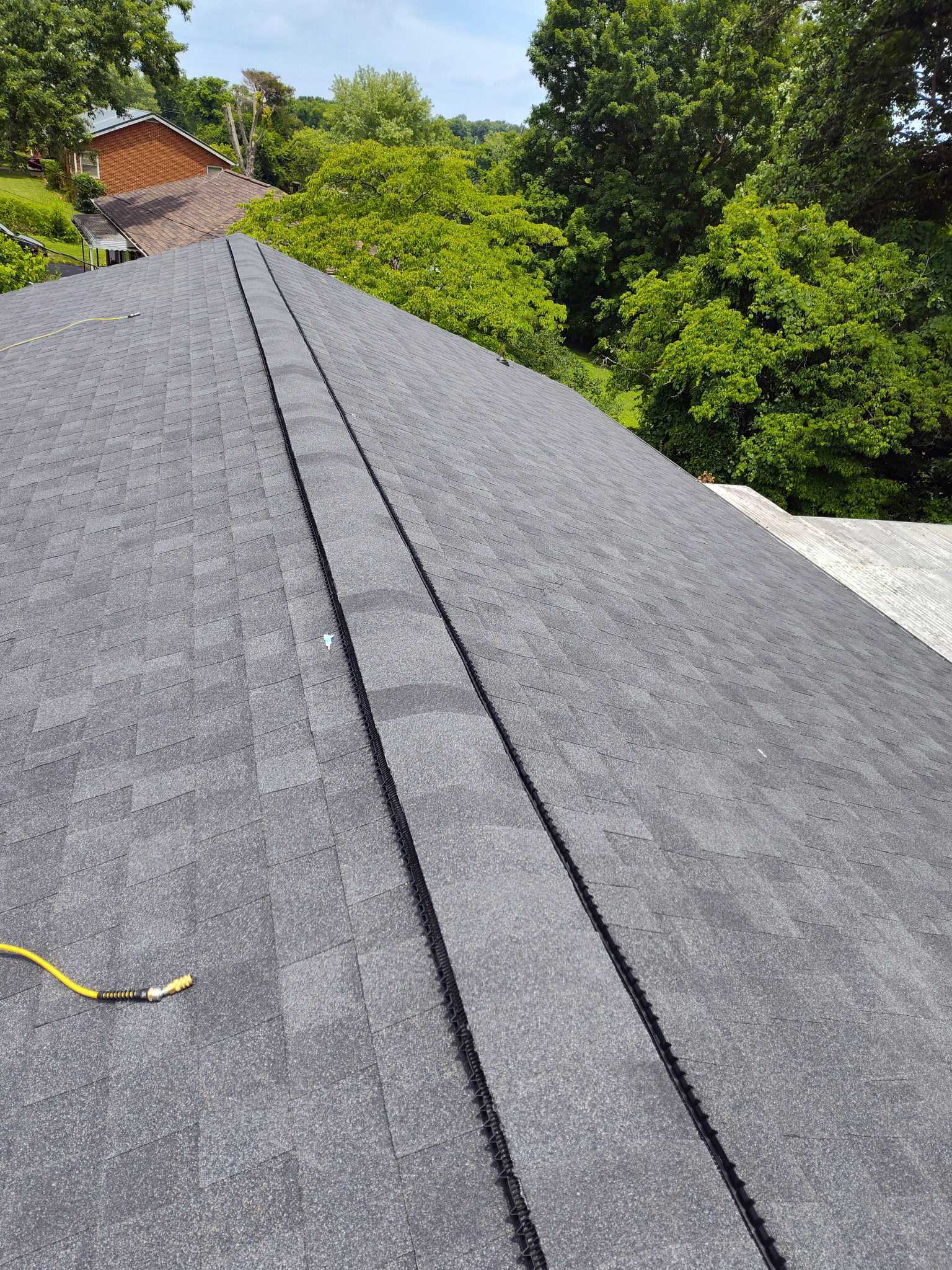
By the end of the project, the roof had a clean, finished look with straight shingle lines and a more reliable surface for future storms. That is the kind of result homeowners want when a roof has reached the end of its useful life. In Morristown, where weather can change quickly, that extra peace of mind is a big deal.
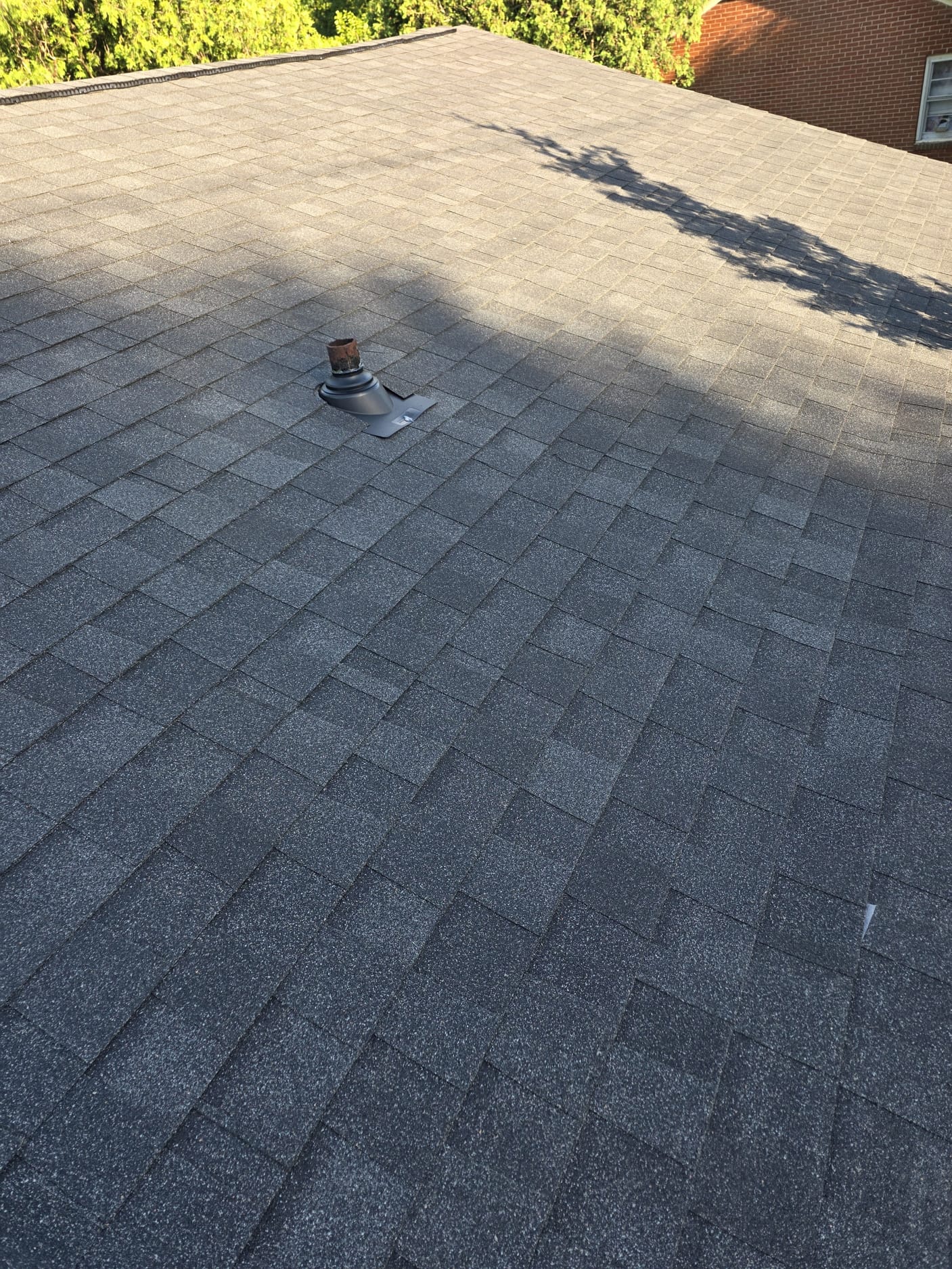
The finished details around roof openings are just as important as the shingles themselves. A properly sealed vent area helps reduce the chance of future leaks, especially in places where water tends to find the smallest weakness first. A HEP technician will often pay close attention to these spots because they are common trouble areas on older roofs.
What Homeowners Can Take From This Morristown Job
This case is a good reminder that small home problems often point to bigger issues underneath.
For plumbing:
- A slow drain that keeps returning should be checked, not ignored.
- If more than one fixture is affected, the cause may be deeper in the system.
- A proper plumbing install can solve the problem more reliably than repeated quick fixes.
For roofing:
- Storm damage can be harder to see from the ground than most people think.
- If the roof is aging and leaking during heavy rain, replacement may be the safest option.
- Fresh shingles, better sealing, and proper ventilation can help a home stay dry and comfortable.
For Morristown homeowners, the biggest takeaway is simple: when a HEP technician finds the root cause early, the solution is usually cleaner, safer, and longer lasting.
Published on July 2, 2026