Water Heater Replacement Lessons for Maryville Homeowners
A Maryville homeowner needed help replacing an older natural gas water heater that was tucked into a very tight closet. The challenge was not just swapping out the tank — the new unit had to fit the space correctly, connect to the existing plumbing safely, and line up with the vent and gas connections. The HEP technician team removed the old heater, installed the right replacement size, added the needed drain pan, checked every connection, and confirmed the new system was working properly before finishing the job.
For homeowners looking for Plumbing, local Maryville service, or more specific Plumbing in Maryville, this is a good reminder that water heater replacement often starts with careful planning, not just equipment selection.
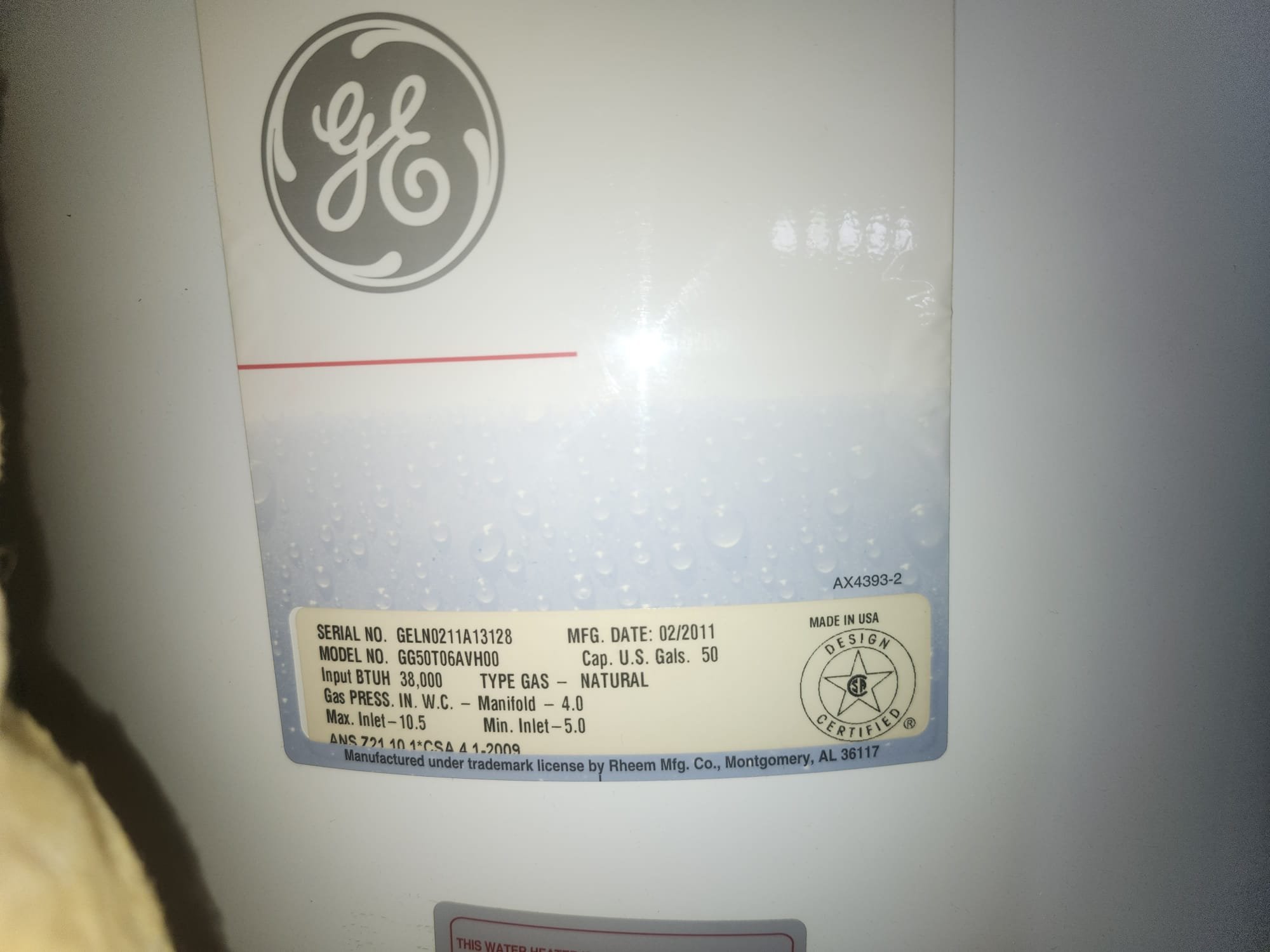
Why an Older Water Heater Deserves Attention
One of the first clues a HEP technician looks for is the equipment label. That small tag can tell you a lot about the unit’s age, fuel type, and size. In many homes, especially older ones, the water heater may be near the end of its useful life even if it still seems to be running.
Homeowners should also keep an eye out for:
- Rust or discoloration around the base of the tank
- Moisture near the heater or on the floor
- Noisy operation or inconsistent hot water
- Corrosion on nearby fittings or pipes
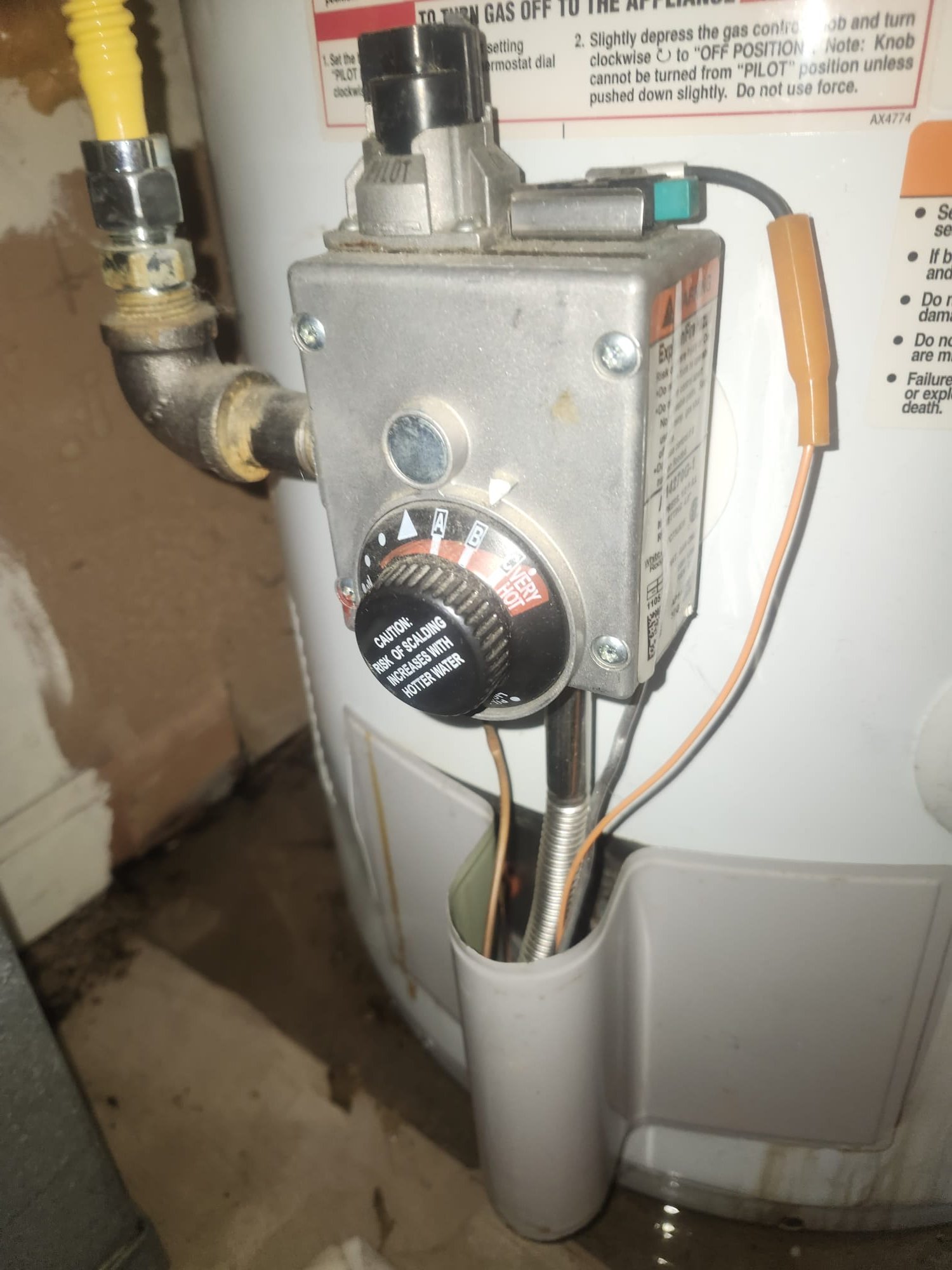
In this Maryville home, the space was compact and the older heater showed signs that it was time for a replacement. That kind of setup often needs a HEP technician to carefully measure the area before choosing a new unit.
Why Measurements Matter More Than Most People Think
A water heater can be the correct gallon size and still be the wrong shape for the closet or utility area where it belongs. That is especially important in older homes, where the opening may be narrow, the ceiling may be low, or nearby equipment may limit access.
The right replacement should fit with enough room for:
- Safe pipe connections
- The vent pipe or exhaust path
- Basic service access
- A drain pan, when needed
In this case, the original replacement plan had to be adjusted so the new water heater would fit the closet properly. Once the correct model was chosen, the installation could move forward without forcing the unit into place.
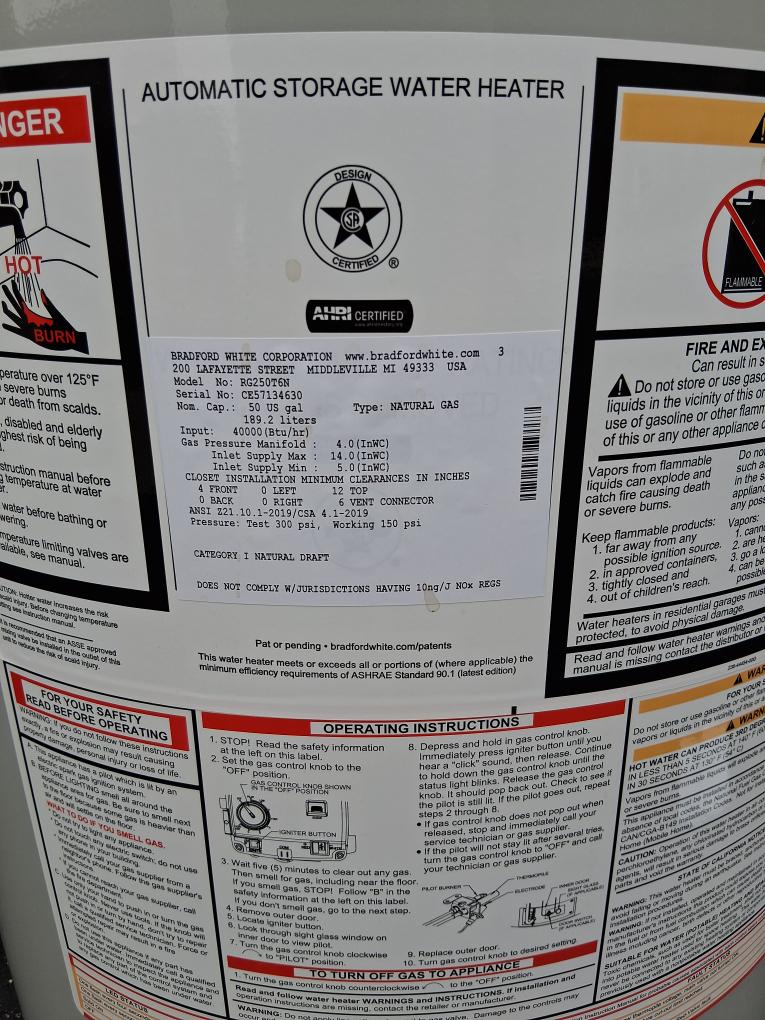
What the Finished Installation Looked Like
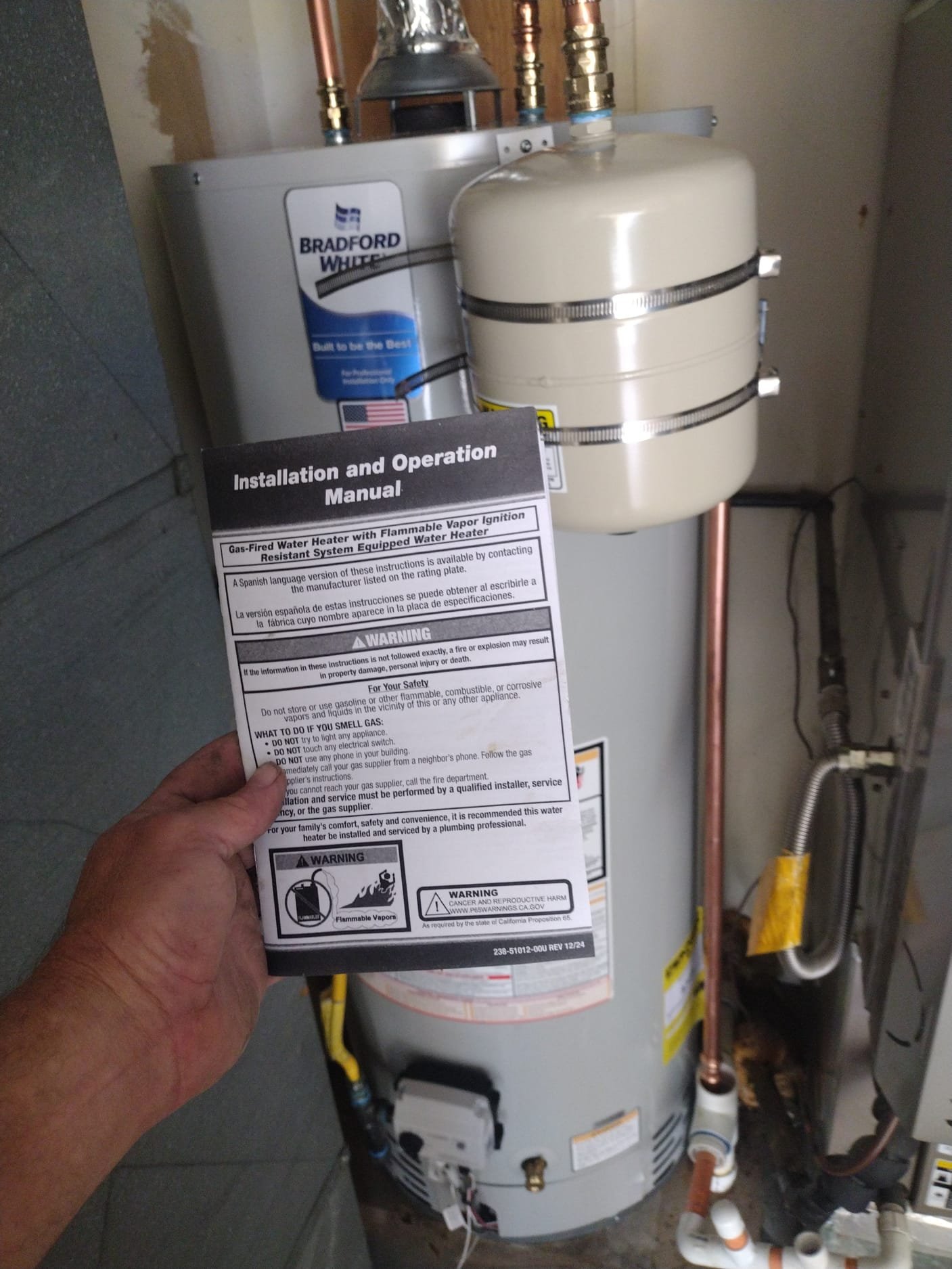
After the right replacement was brought in, the HEP technician team installed the heater and reconnected the plumbing. The fresh-looking copper lines and neat fittings are signs of a newer installation, and the added expansion tank helps manage pressure changes in the plumbing system.
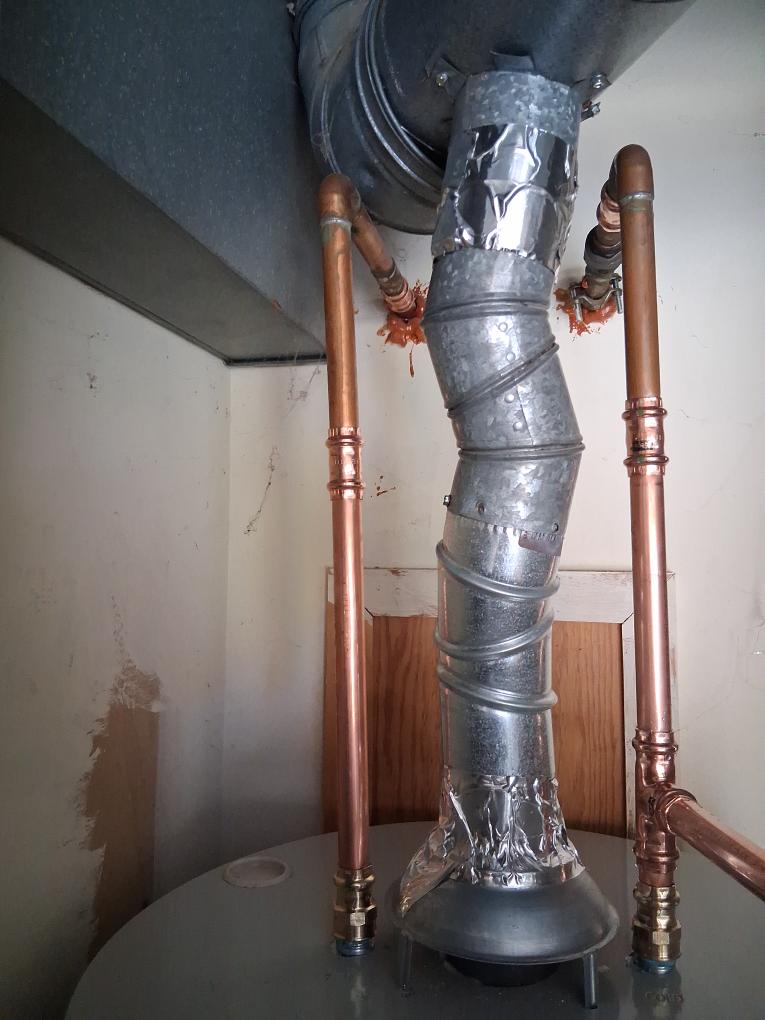
For homeowners, this is a helpful thing to know: a clean installation is not just about appearance. Properly supported piping and secure connections help the system work better and make future service easier.
A few things worth checking after any installation:
- The heater sits level and secure
- Pipes are not cramped or bent sharply
- The drain pan is in place if needed
- There are no visible drips around the connections
Final Safety Checks Are Just as Important as the Install
Once the new water heater was connected, the HEP technician team checked the system for leaks and made sure the burner was operating correctly. A steady blue flame is a reassuring sign that the heater is running as it should.
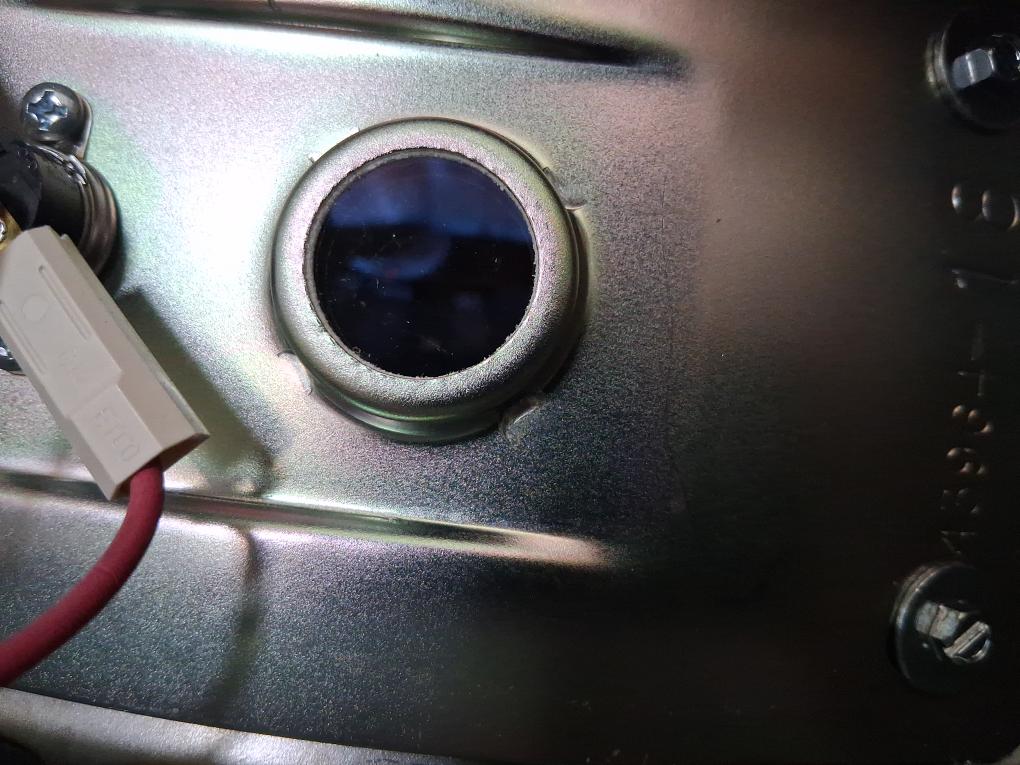
For homeowners, the big takeaway is simple: a water heater should always be tested before the job is considered complete. That includes checking for:
- Water leaks
- Gas odors
- Proper ignition
- Normal heating performance
If anything seems off after installation, it is best to call for service right away rather than wait.
Helpful Tips for Homeowners Planning a Water Heater Replacement
If you are thinking about replacing your own unit, here are a few easy ways to make the process smoother:
-
Take a photo of the old label
It helps identify size, fuel type, and model information. -
Measure the space around the heater
Width, height, and depth all matter in tight closets. -
Look at the floor and nearby walls
Stains, rust, or damp spots can be early warning signs. -
Ask about a drain pan and expansion tank
These can be important parts of a complete installation. -
Keep the paperwork
Manuals, warranty details, and receipts can be useful later. -
Make sure the area stays accessible
Future maintenance is much easier when the unit is not boxed in too tightly.
A Simple Summary of the Maryville Job
This Maryville water heater replacement was solved by matching the new equipment to the home’s tight space, installing the proper tall natural gas model, reconnecting the plumbing and exhaust safely, and completing leak checks before leaving. The result was a clean, working installation that gave the homeowner reliable hot water again.
For homeowners, the main lesson is clear: the best water heater replacement is the one that fits the home, is installed carefully, and is tested thoroughly. A skilled HEP technician can help make sure all three happen.
Published on July 14, 2026