Preventing AC Water Leaks: A Knoxville Homeowner’s Guide
Heating and Air Conditioning • Knoxville • Heating and Air Conditioning in Knoxville
Customer Story: A Basement Leak and an Unresponsive AC
A homeowner in Knoxville noticed water pooling on the basement floor while their air conditioner struggled to start. Some mornings it ran for a few minutes, only to shut off again. Concerned about damage and high repair bills, they called in a professional.
How It Was Resolved
A HEP technician arrived on site, cleared the blocked condensate drain line, performed a thorough preventive inspection of all key components, and tested the controls. With debris removed and connections tightened, the system began operating reliably—and the leaks stopped.
Why Do Air Conditioners Leak Water?
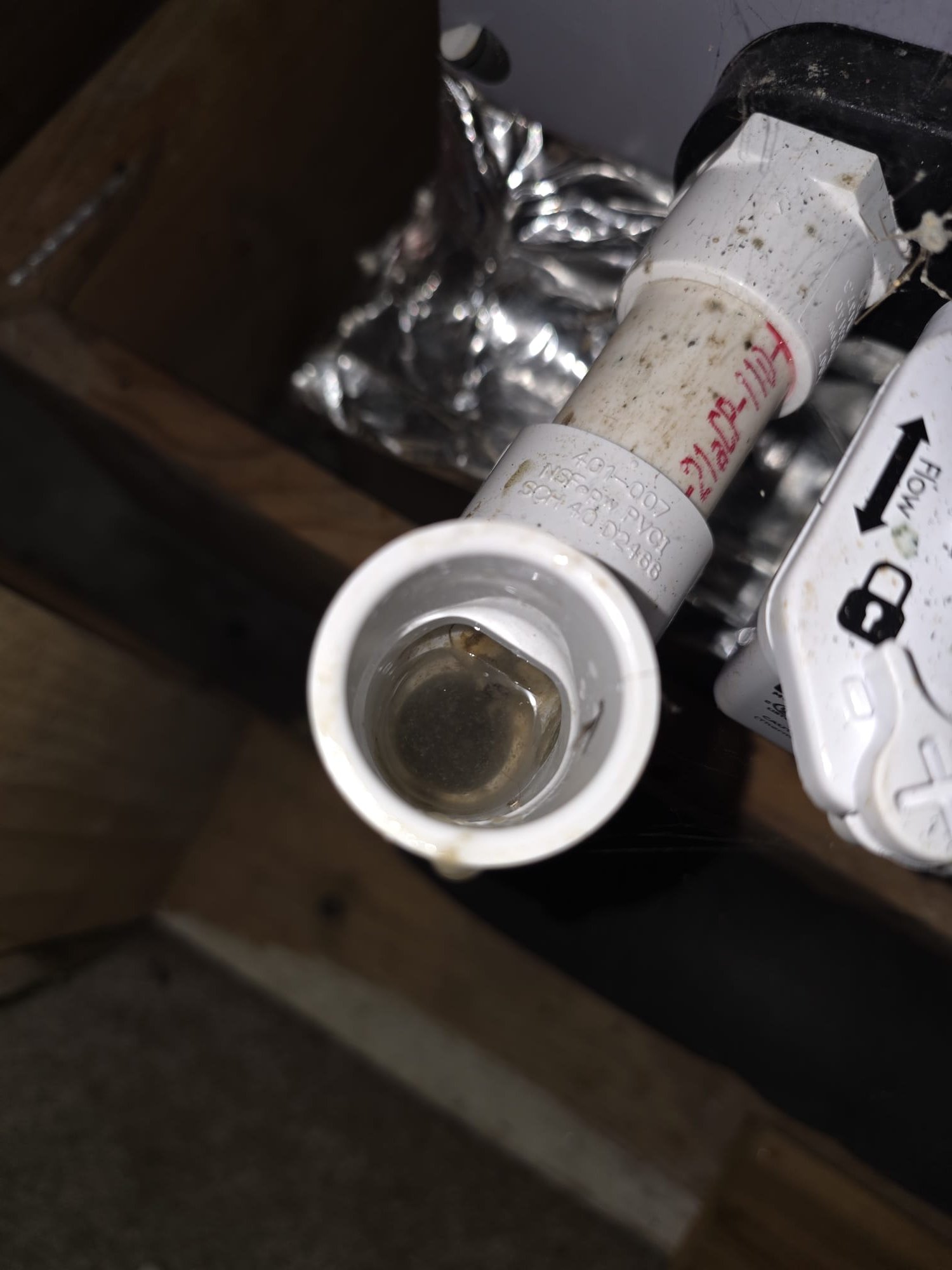
Air conditioners remove humidity by condensing moisture on the evaporator coil. That water should flow out through a drain line, but clogs can occur when:
- Dust and pet hair build up
- Mold and algae grow inside the pipe
- Debris from the drain pan gets trapped
When the line is blocked, water backs up into the pan and eventually overflows—often into basements or utility rooms.
Keep Coils Clean for Better Cooling
A dusty or grimy evaporator coil can freeze up or restrict airflow, leading to extra condensation. Regular cleaning helps ensure:
- Efficient heat transfer
- Proper water drainage
- Lower energy bills
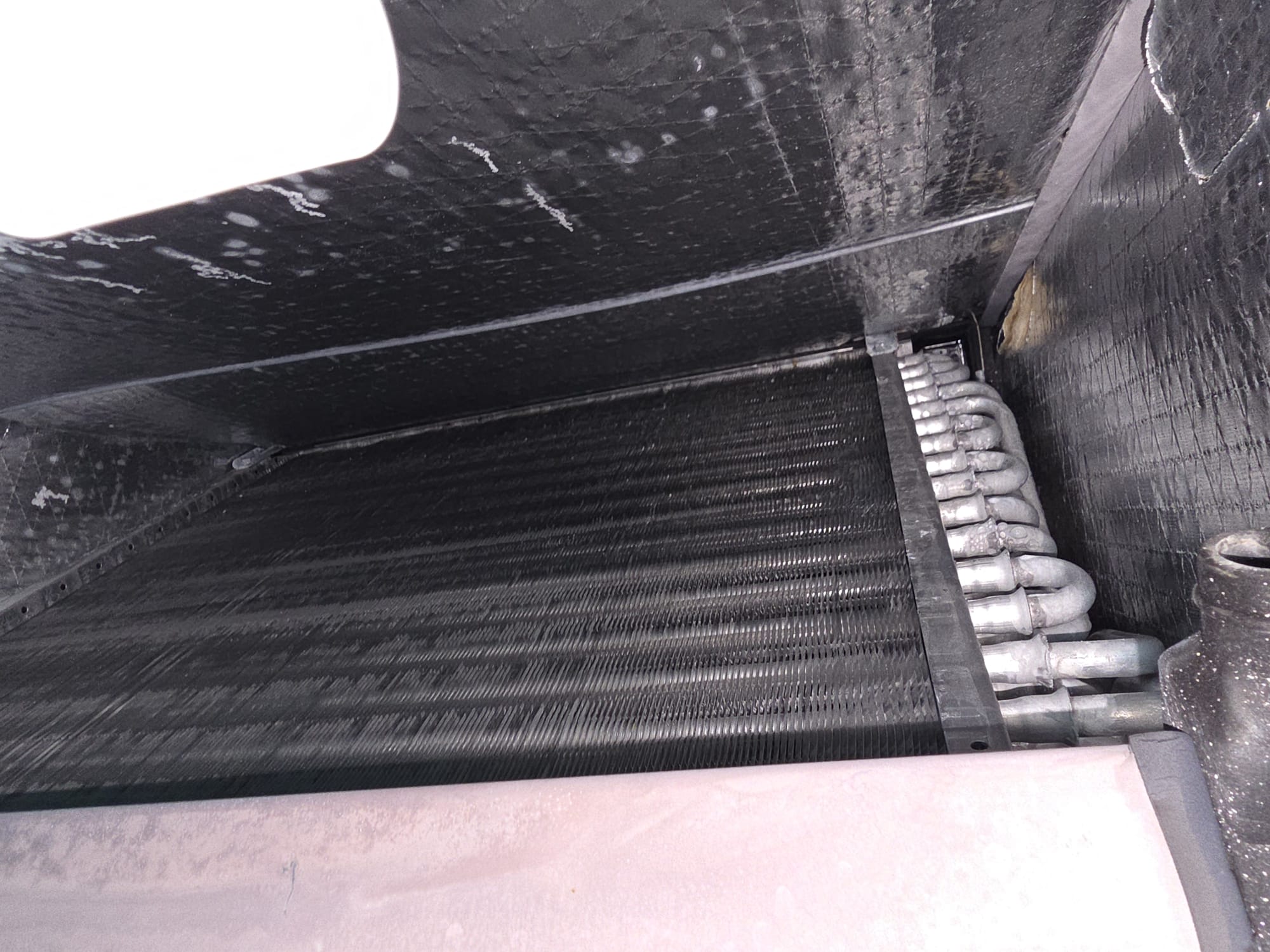
Homeowner Tip: Schedule a professional coil cleaning at least once a year to avoid hidden moisture problems.
What Happens During a Preventive Check?
When a HEP technician performs a routine maintenance visit, they will:
- Flush and inspect the condensate line and drain pan
- Tighten electrical connections and test safety switches
- Check refrigerant pressures and airflow
- Verify thermostat accuracy and performance
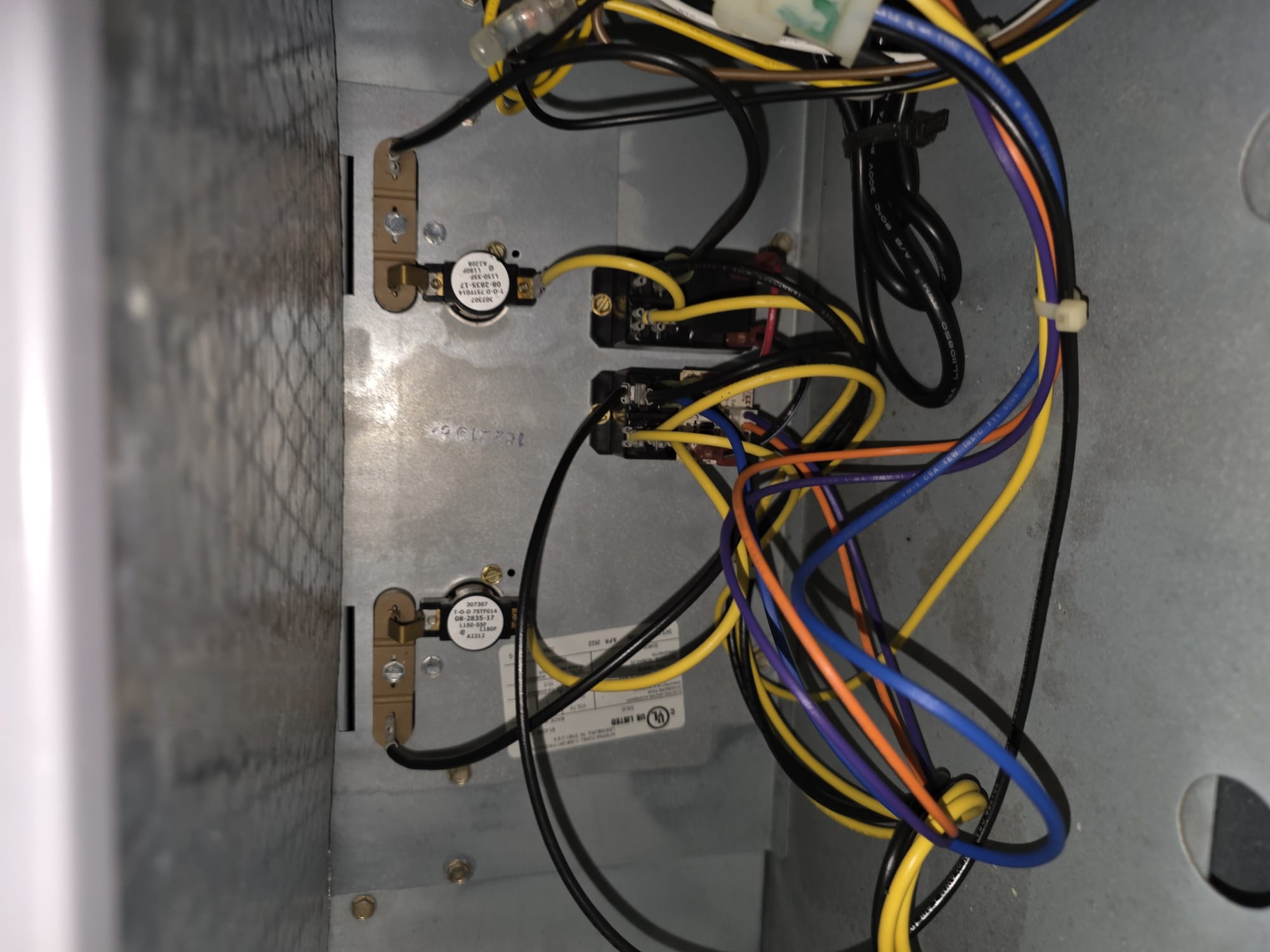
These simple steps can catch minor issues early and keep your warranty intact.
Quick Tips for Homeowners
- Keep the outdoor unit clear. Trim plants and remove leaves to allow proper airflow.
- Monitor the drain line. Check for standing water or slow drainage each month.
- Change air filters regularly. A clean filter reduces dust and relieves system strain.
- Watch for warning signs. Strange noises, uneven cooling or odors mean it’s time to call a HEP technician.
- Book routine service. Twice-yearly check-ups help extend equipment life and prevent unexpected breakdowns.
By understanding the role of the condensate drain and keeping up with simple maintenance, you’ll avoid leaks, improve efficiency, and enjoy reliable comfort all summer long. For more on professional care, visit our Heating and Air Conditioning in Knoxville page.
Published on June 9, 2026