Outdoor AC Making Noise in Sevierville: What One Homeowner Learned About Pest Damage and Cooling Problems
Helpful resources: Heating and Air Conditioning, Sevierville, and Heating and Air Conditioning in Sevierville
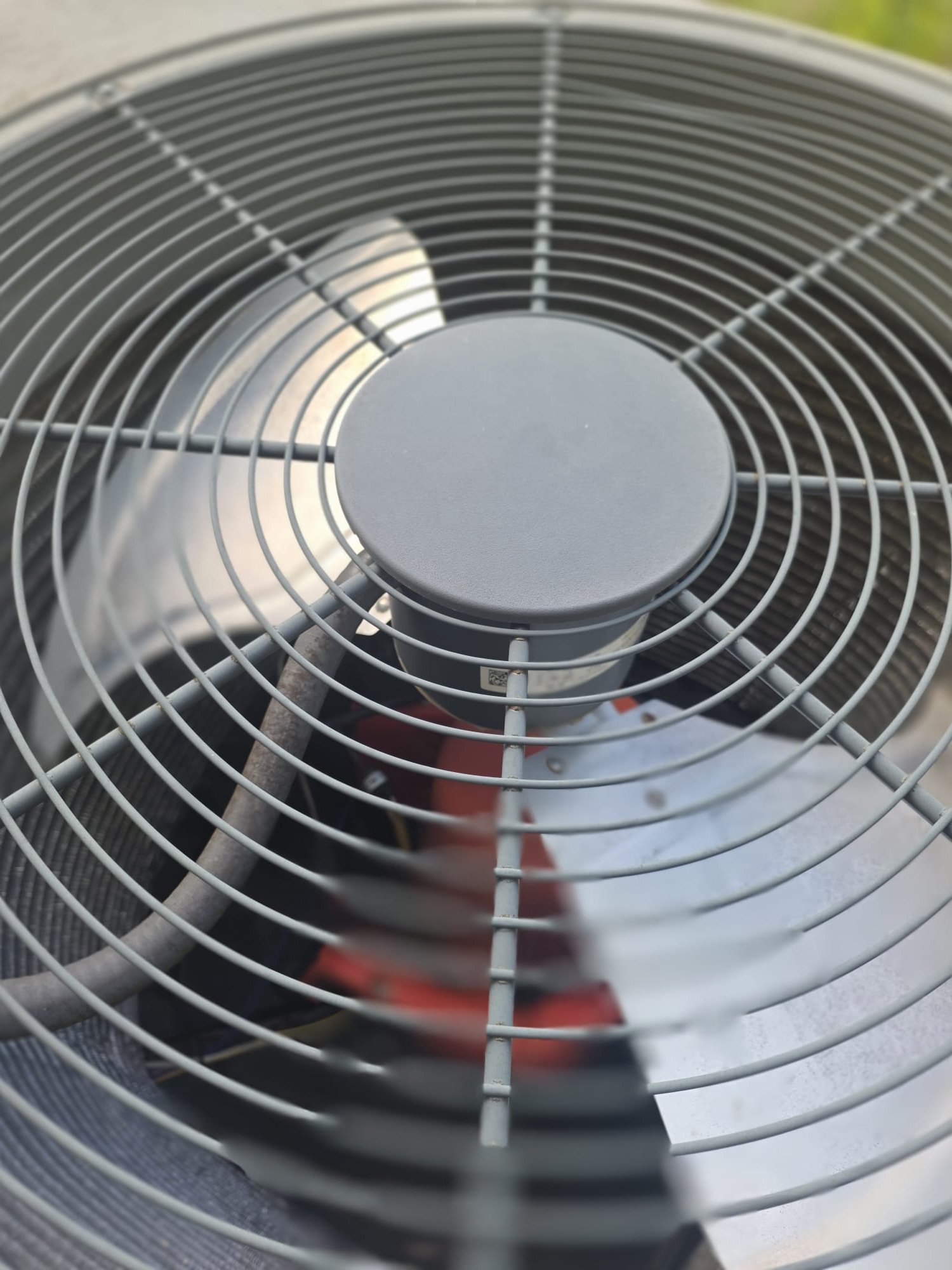
In this Sevierville HVAC service call, a homeowner noticed that the outdoor unit had started acting strangely: it was making noise, but the system was no longer cooling the house the way it should. The indoor equipment was still running, which can make the problem even more confusing for homeowners. After opening the outdoor cabinet, a HEP technician found that a small animal had gotten into the unit and damaged an important electrical part. The failed component was replaced, the system was checked again, and the home’s cooling operation was restored.
What the homeowner noticed first
A noisy outdoor unit is often more than just an annoyance. In many cases, it is the first sign that something inside the system is struggling. Homeowners may hear:
- buzzing
- clicking
- humming
- rattling
- a fan that starts and stops
In this case, the warning sign was sound. The unit was trying to run, but something inside the cabinet was preventing normal operation. That is a good reminder that if your AC sounds different than usual, it’s worth paying attention right away.
What the HEP technician found
After inspecting the outdoor equipment, the HEP technician found evidence of pest damage inside the unit. Small animals can sneak into outdoor cabinets, especially when units sit near shrubs, tall grass, or clutter. Once inside, they can knock debris loose, damage wiring, or interfere with parts that help the system start and run.
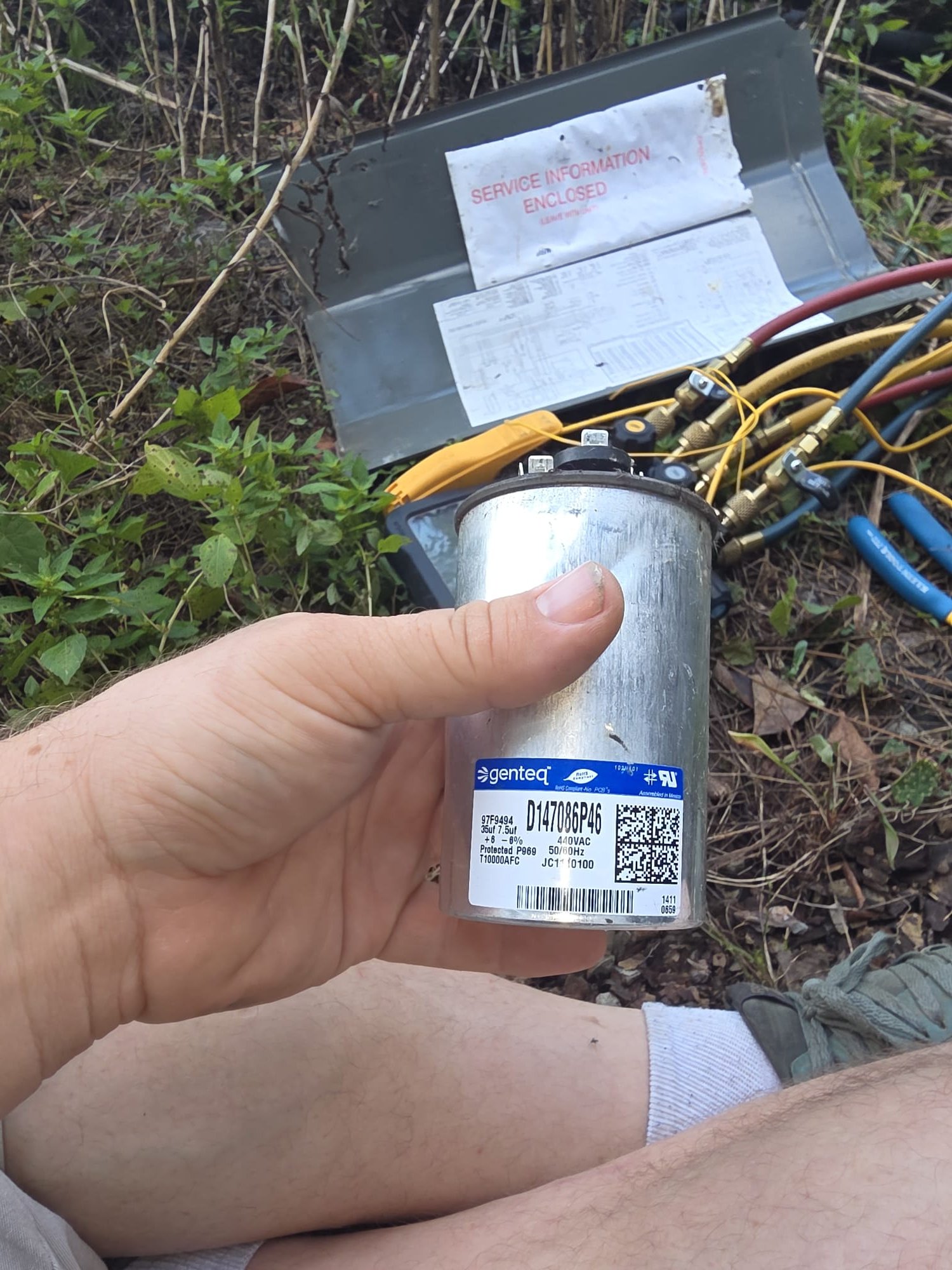
In this case, the damaged part was a start-up component that helps the outdoor system get moving. When that part fails, the unit may hum, make noise, or refuse to operate properly even though the thermostat is calling for cooling.
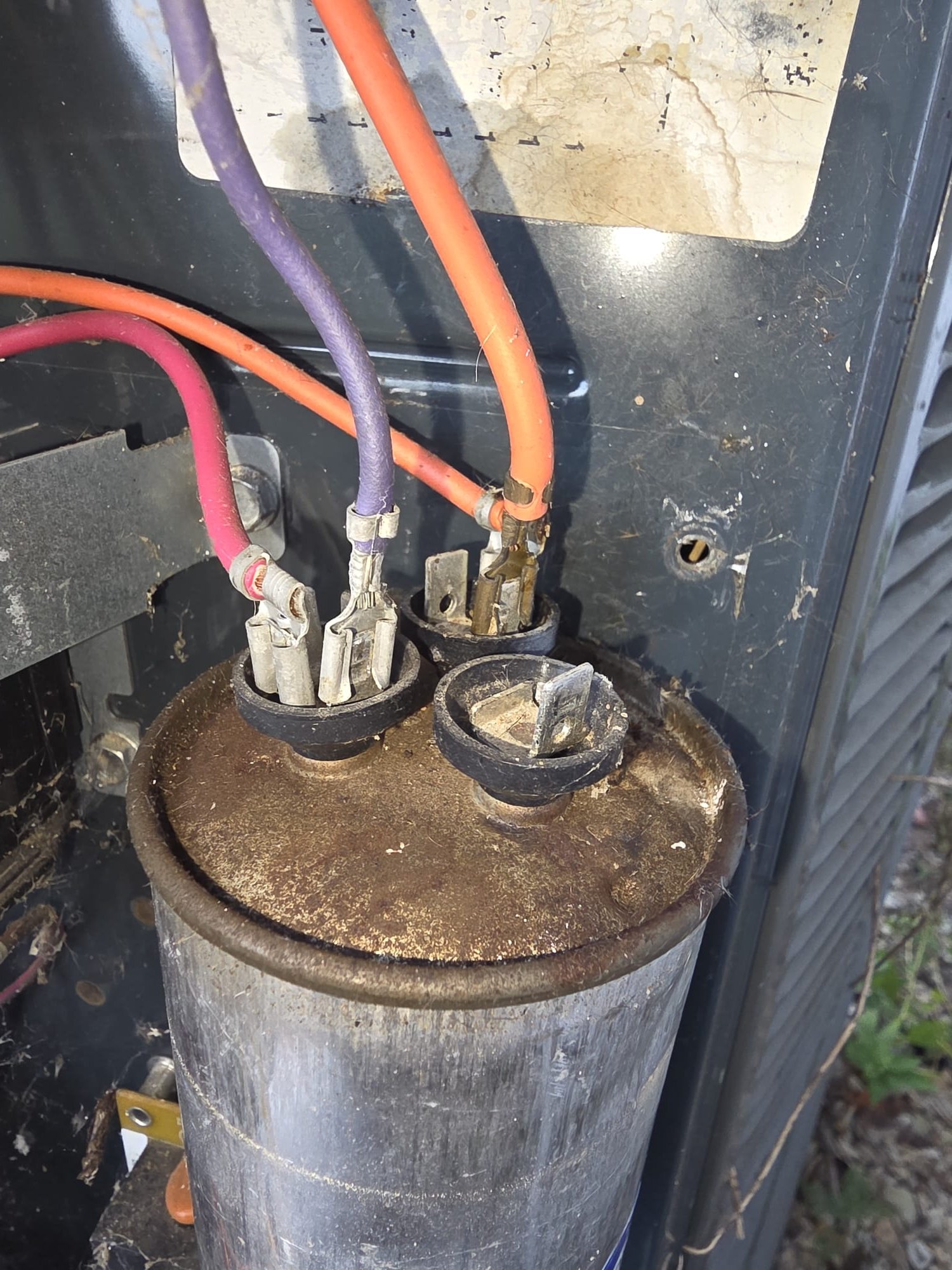
This kind of damage is easy to miss from the outside. The cabinet may look fine at a glance, but the problem is often hidden behind the access panel. That is why a professional inspection matters when a unit is noisy or not cooling correctly.
How the issue was solved
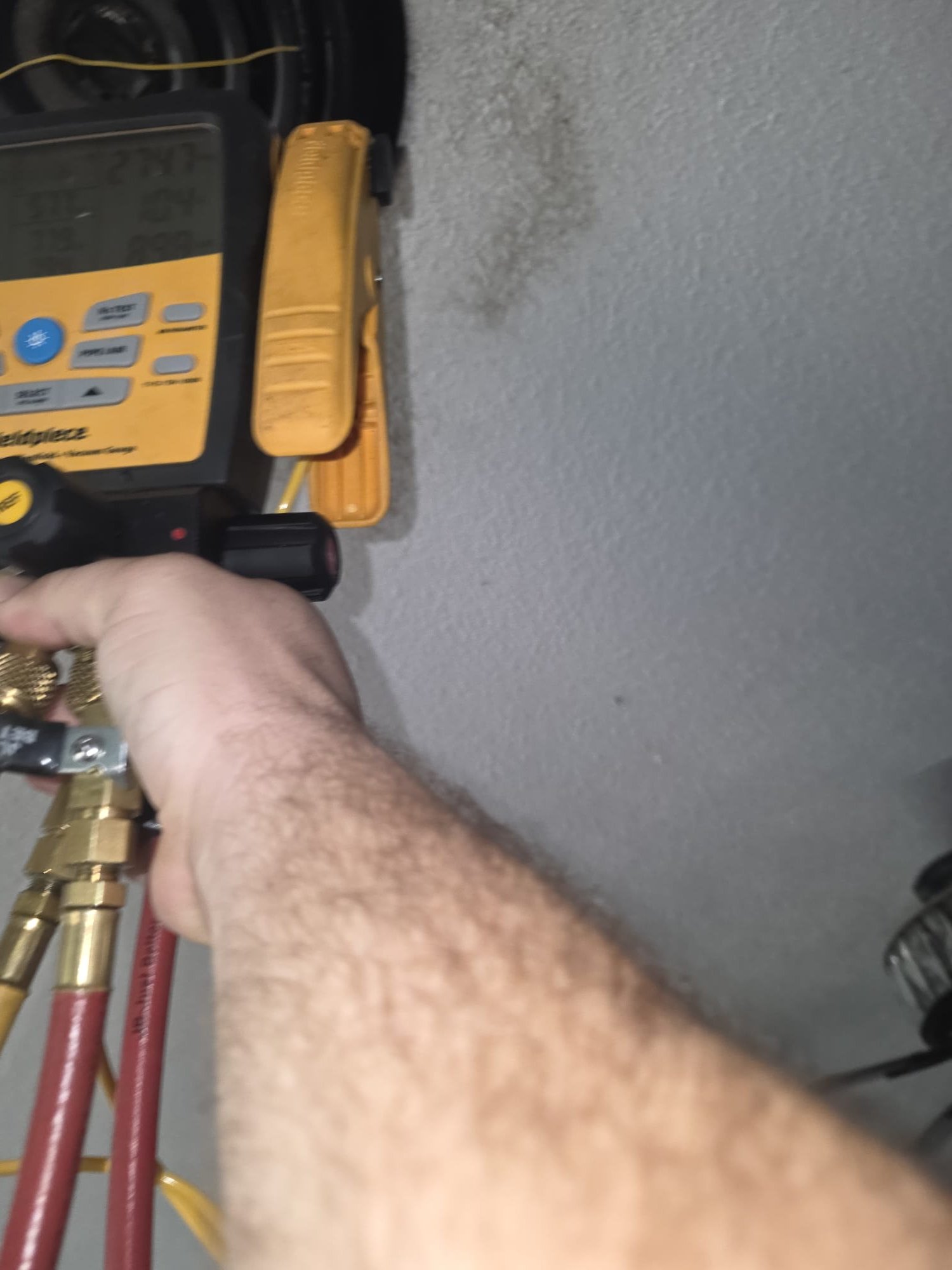
Once the problem was identified, the damaged part was replaced and the outdoor unit was tested again. The system started up properly, and the technician confirmed that the cooling operation had returned to normal.
That final check is important. Replacing one bad part is only part of the job; the system also needs to be verified afterward to make sure everything is working the way it should. A HEP technician will often listen for unusual sounds, check that the unit starts correctly, and confirm that the system is delivering cool air as expected.
What homeowners can learn from this case
This Sevierville repair is a good reminder of a few simple home care habits that can help protect your AC:
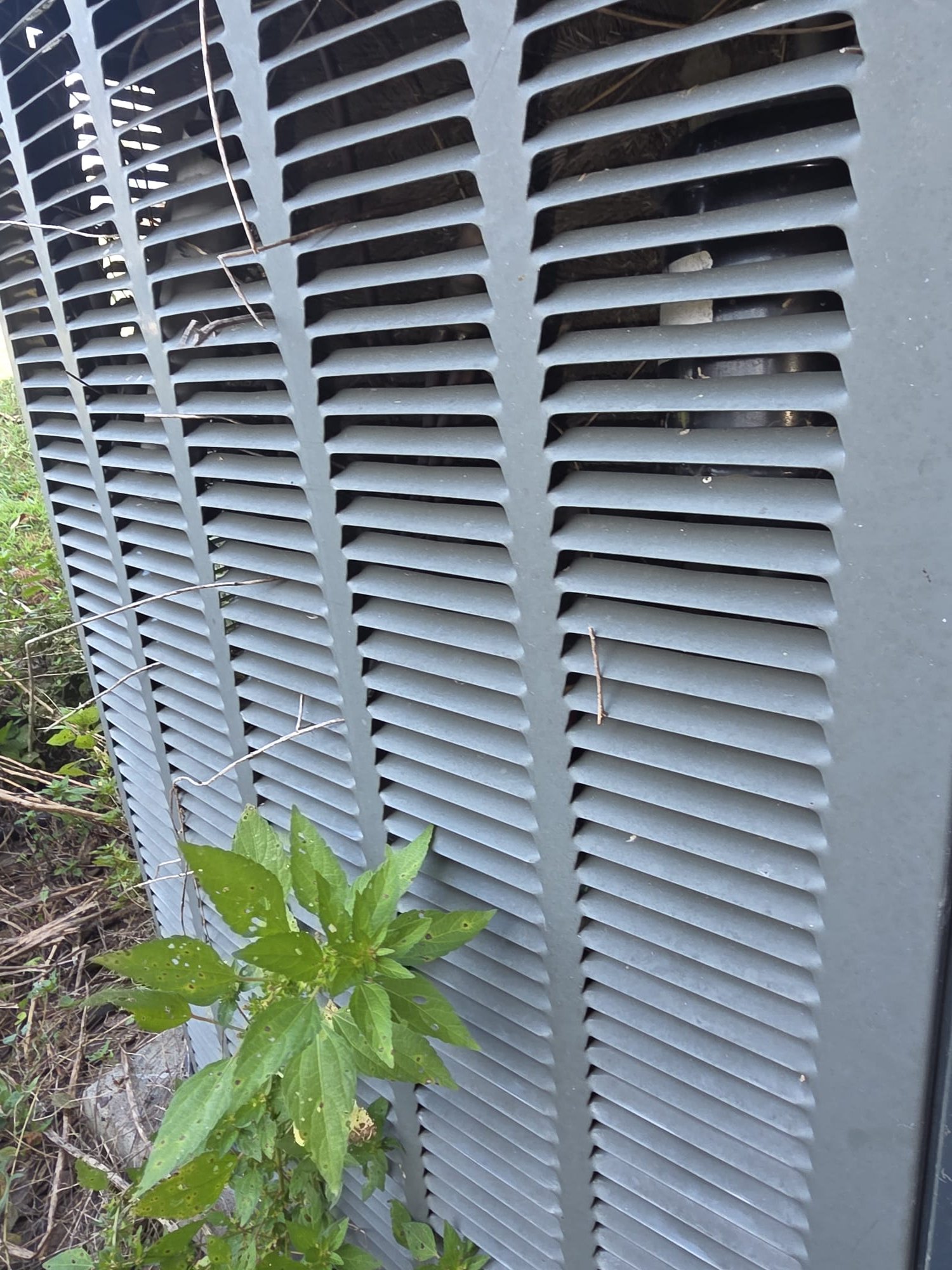
1. Keep the outdoor unit clear
Outdoor equipment needs room to breathe. Trim back weeds, bushes, and branches. Keep leaves, toys, and yard debris away from the cabinet.
2. Pay attention to new noises
A new sound is often the first warning sign. If your unit starts buzzing, clicking, or making a grinding noise, turn it off and call for service before a small problem becomes a bigger one.
3. Watch for signs of pest activity
Rodents and insects like small, protected spaces. If you see nests, droppings, chewed insulation, or signs that animals have been near the equipment, have the unit checked sooner rather than later.
4. Don’t ignore “half-working” systems
Sometimes the indoor blower runs, but the outdoor unit does not. That can point to an issue outside, not inside the house. A homeowner might think the problem is minor, but outdoor electrical parts can stop the whole cooling process.
5. Schedule routine maintenance
Regular service helps catch wear, dirt buildup, loose connections, and pest-related damage before they shut the system down. A HEP technician can spot issues that most homeowners would never see on their own.
When to call for help
Call for HVAC service if you notice:
- the outdoor unit is noisy
- the air feels warm instead of cool
- the system starts and stops repeatedly
- there is visible damage around the cabinet
- you suspect pests may have gotten inside
A fast response can prevent more damage and help protect the rest of the system.
Final takeaway
This Sevierville homeowner’s problem started with a strange sound and ended with a simple but important repair. A small animal had damaged a key electrical part in the outdoor unit, and once the failed component was replaced, the cooling system was back to normal.
The big lesson for homeowners is this: strange noises are never “just noises” when it comes to HVAC equipment. When the outdoor unit acts up, a timely visit from a HEP technician can help identify the cause, restore comfort, and keep a small issue from turning into a major breakdown.
Published on September 29, 2026