Lightning Damage in a Cosby Laundry Outlet: What Homeowners Should Know
Helpful resources: Electrical · Cosby · Electrical in Cosby
After a storm moved through Cosby, a homeowner noticed that a laundry-area outlet had stopped working and the connected appliance would no longer run normally. The receptacle showed signs of heat damage, so a HEP technician inspected the area, removed the failed parts, and installed a safer, code-compliant replacement enclosure with a new receptacle and cover. Once the new outlet was secured and tested, the appliance was able to power back up again.
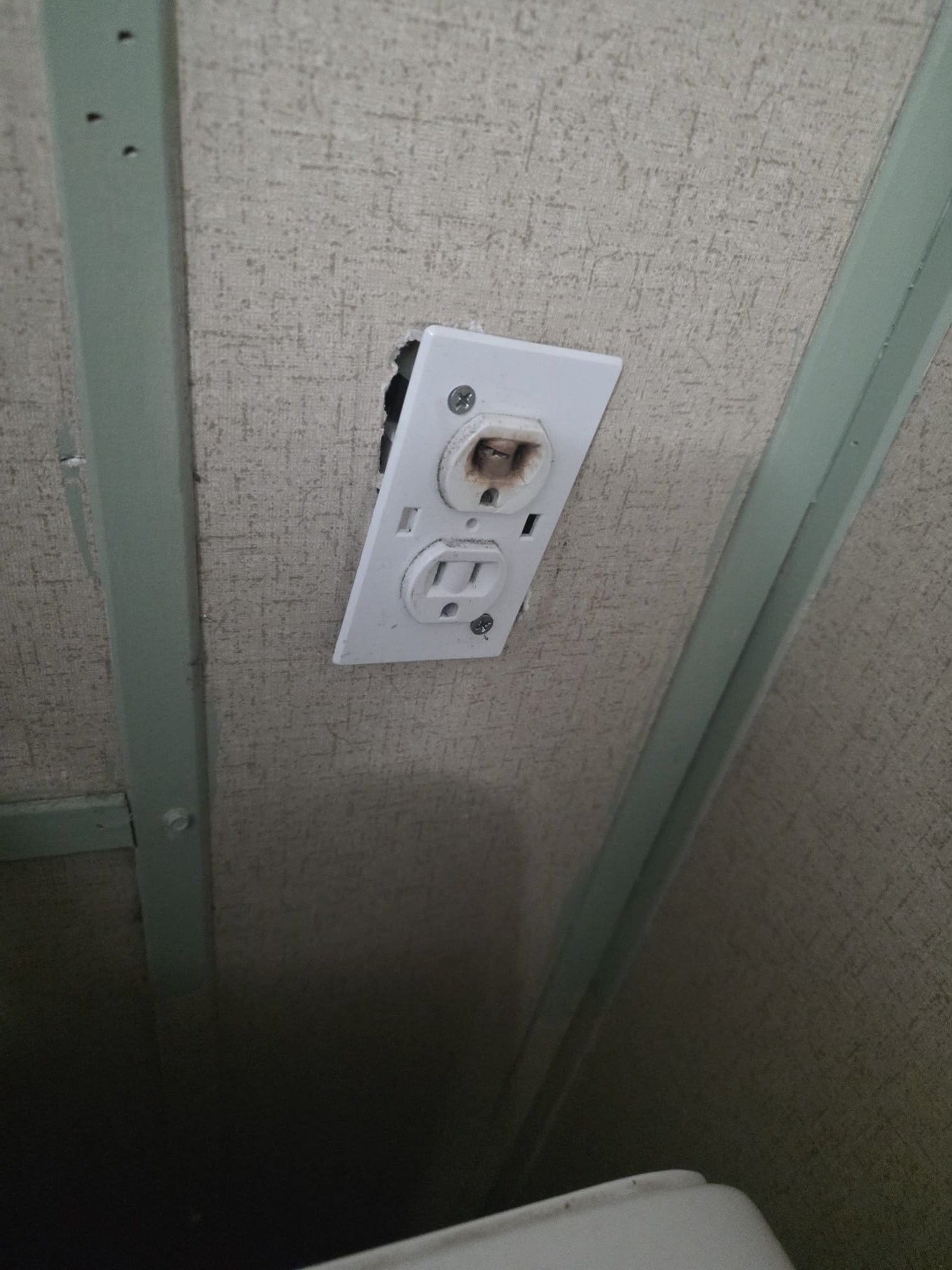
Why this kind of problem should never be ignored
When an outlet stops working after a storm or power surge, the issue may be more than a simple inconvenience. A damaged receptacle can hide problems inside the wall, including loose connections or heat damage that you may not be able to see from the outside.
For homeowners, these are warning signs that the outlet needs attention right away:
- Discoloration or dark marks around the outlet
- A warm wall plate or warm plug
- A burnt smell
- Loose or damaged plugs
- Buzzing, crackling, or popping sounds
- An appliance that suddenly loses power
If you notice any of these signs, stop using the outlet and have it checked by a professional.
Why the enclosure matters
In this Cosby home, the outlet was not just damaged — it also needed to be mounted the right way for the space. Some homes, especially trailers or manufactured homes, need a different style of box or mounting method than a standard wall opening.
A HEP technician made sure the replacement was installed in a proper enclosure so the receptacle would be secure, covered, and ready for normal use. That matters because an outlet should never be left loose, open, or exposed.
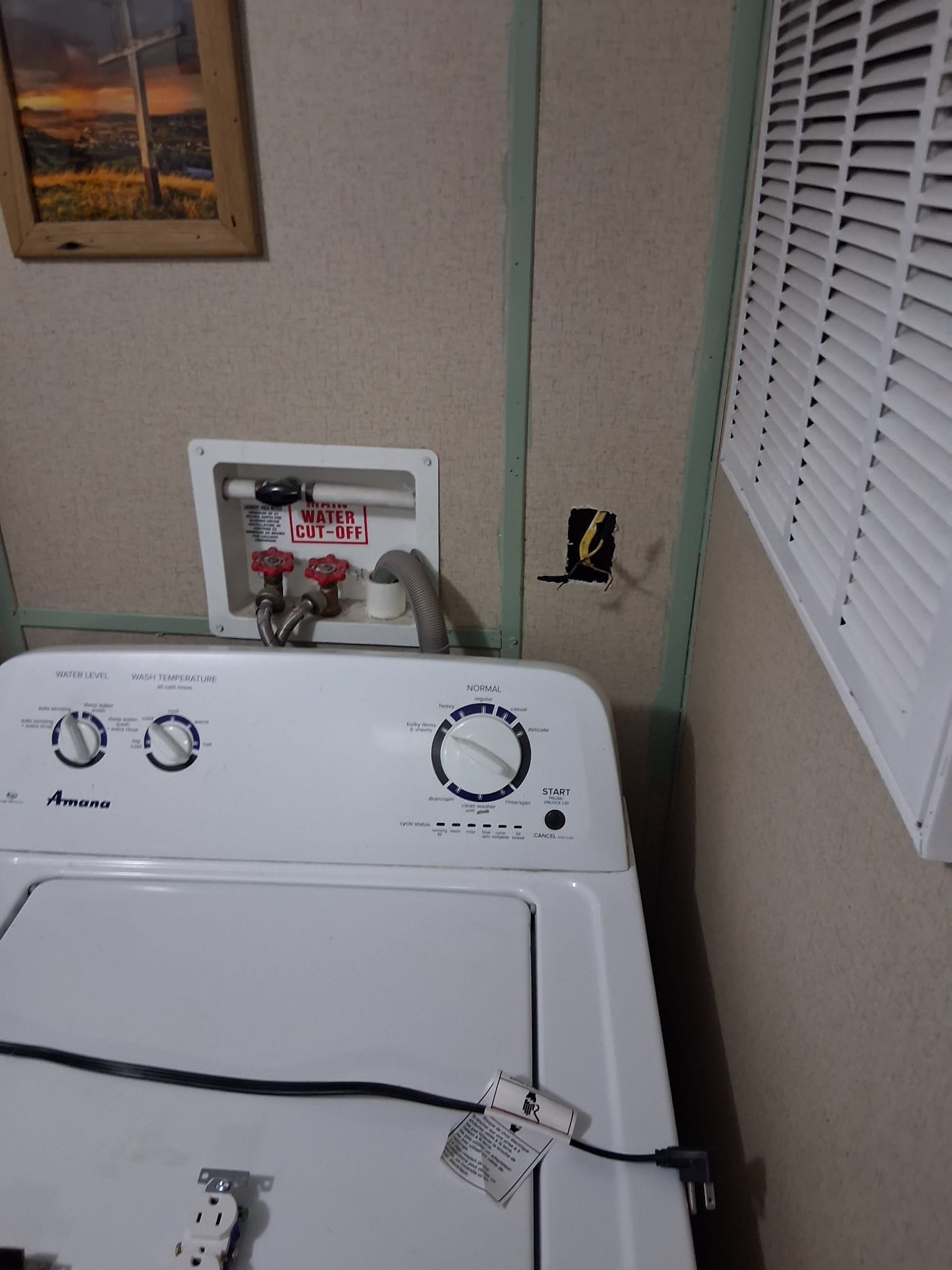
What the repair process looked like
Here’s the simple version of how the issue was solved:
- The damaged outlet was removed.
- The opening was adjusted so the new box could fit properly.
- A new receptacle and enclosure were installed.
- The circuit was checked to make sure the outlet was working as it should.
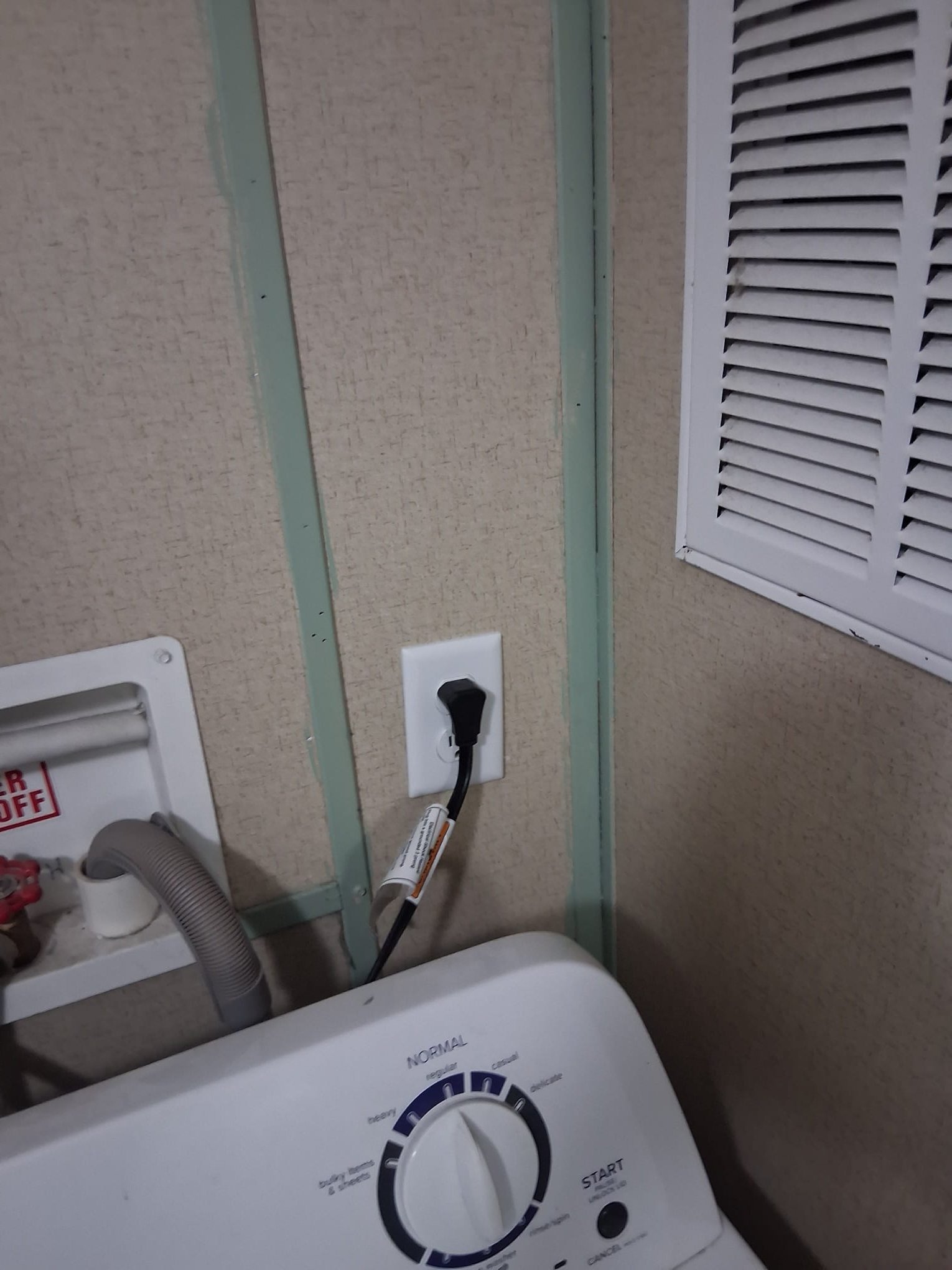
- The laundry appliance was plugged back in and tested.
That final testing step is important. An outlet can look fine from the outside, but it still needs to be checked to make sure it is delivering power safely and consistently.
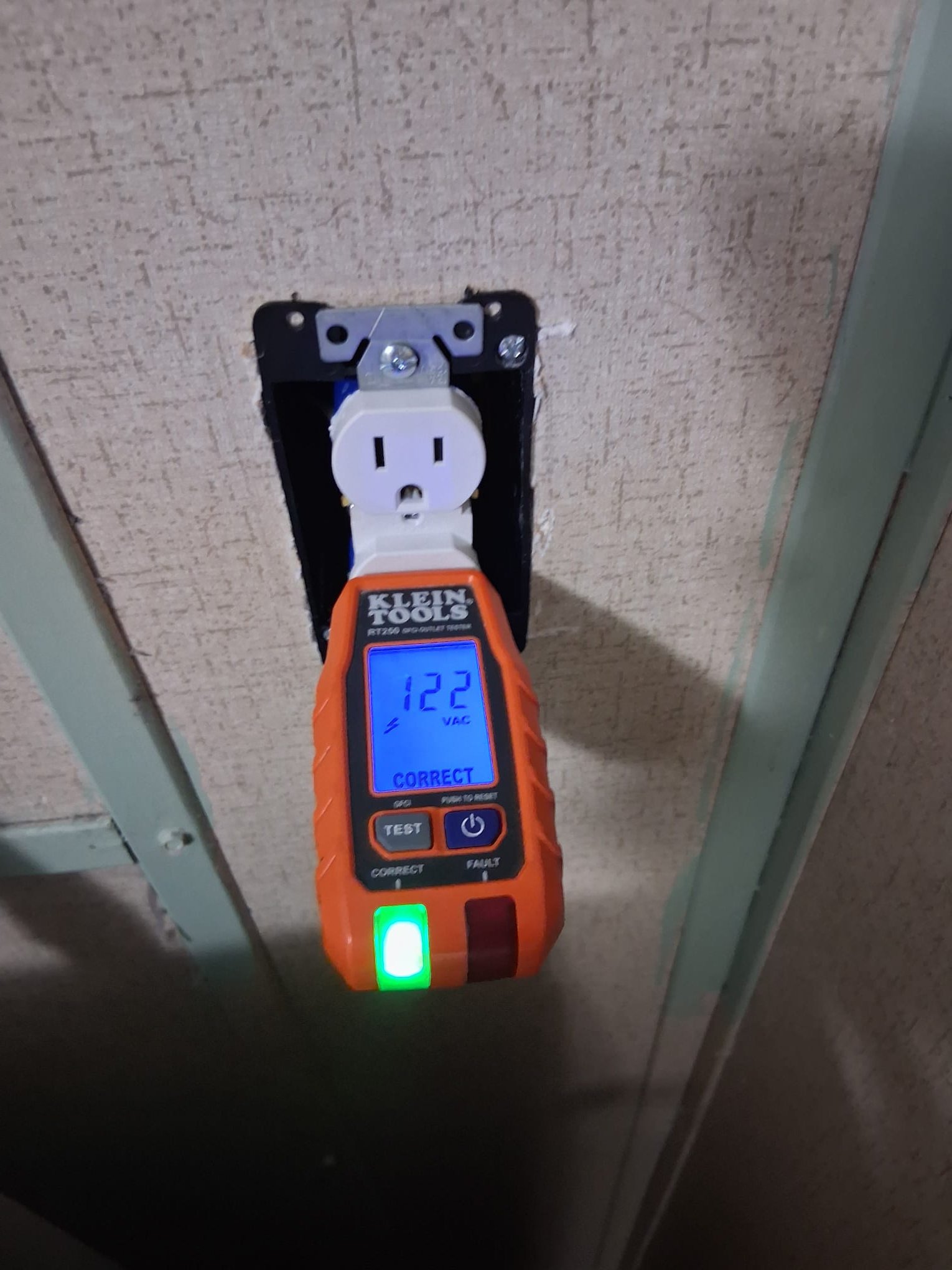
The finished result
After the replacement was completed, the laundry area had a clean, usable outlet again. The appliance was reconnected, and the new setup looked neat and properly finished.
Simple tips for homeowners after a storm or surge
A lightning strike or power surge can affect more than one electrical item in the house. Even if only one outlet looks damaged, it’s smart to be cautious.
Good habits to follow
- Unplug sensitive appliances if you suspect a surge has happened.
- Check outlets for heat, smell, or discoloration.
- Do not keep using a damaged outlet just because the appliance still seems to have power.
- Replace worn or loose receptacles promptly.
- Pay extra attention in laundry areas, where moisture and heavy appliance use can increase risk.
When to call a professional
Call a HEP technician if:
- An outlet is dead after a storm
- A plug feels hot
- The outlet is cracked or blackened
- The appliance still will not work after being plugged into a known-good receptacle
- You live in a trailer or manufactured home and are not sure whether the outlet is mounted correctly
Bottom line
This Cosby repair is a good reminder that a dead outlet may be a warning sign, not just a convenience issue. In this case, a storm-related surge damaged the laundry receptacle, and the fix required more than swapping a part — it also needed the right enclosure, proper mounting, and a full test afterward.
For homeowners, the safest approach is simple: if an outlet shows heat damage or stops working after a surge, have it checked before using it again.
Published on August 31, 2026