How a Small Roof-Edge Problem Turned Into a Living Room Leak in Knoxville
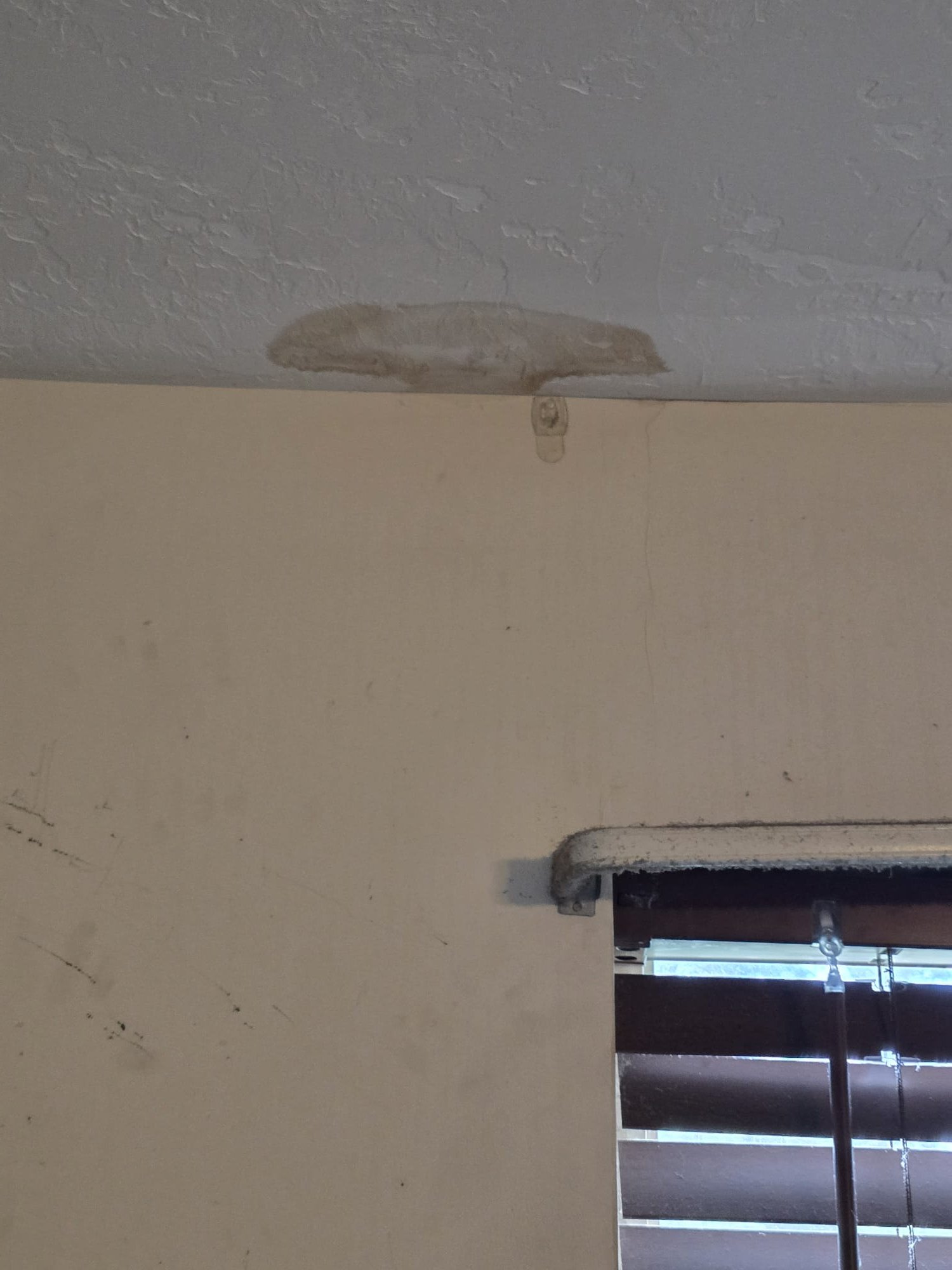
A homeowner in Knoxville noticed a damp spot forming in the front living room corner after rain. What looked like a ceiling problem turned out to be a roof drainage issue: water was not being guided away from the house the way it should. After a HEP technician inspected the roof, the fix included updated guttering, protective guards in the right spot, and replacement roof boots to help seal vulnerable openings. For related reading, see Roofing, Knoxville, and Roofing in Knoxville.
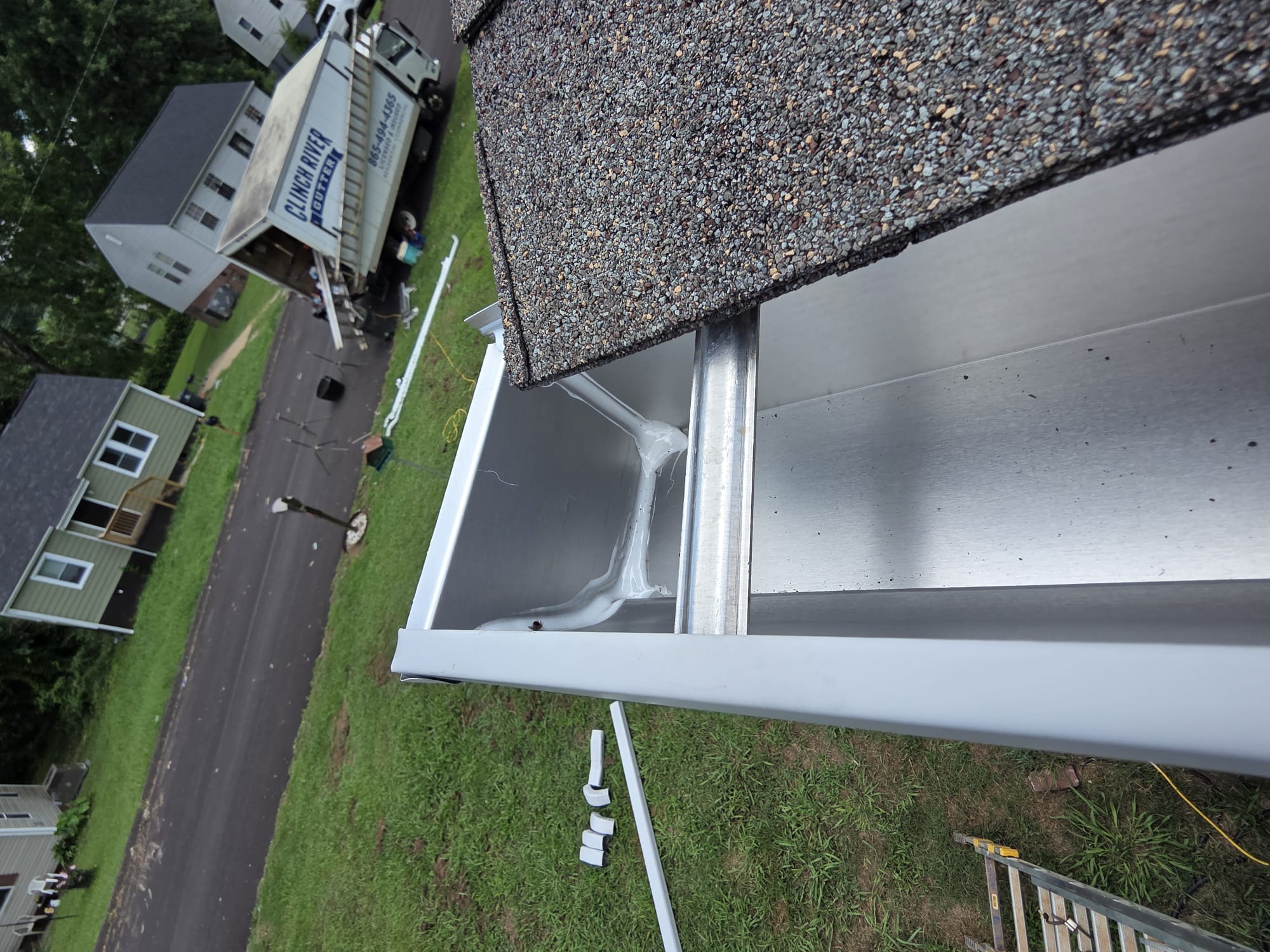
What the homeowner noticed
At first, the problem seemed small. A little staining appeared in one corner of a room, and it only showed up after wet weather. That is a common way roof-related issues begin: the leak may not be obvious on the outside, but water slowly finds its way into a wall or ceiling space.
A HEP technician looked over the home and checked the roof edge, gutters, and roof openings. The good news was that the house did not need a full roof replacement. Instead, the problem was traced to a few areas that were not managing water well.
Why a leak can happen even when the roof looks “mostly fine”
Many homeowners think roof leaks only happen when shingles are missing or a storm causes visible damage. In reality, some of the most common trouble spots are the small details:
- Gutters that don’t move water away properly
- Roof boots around vent pipes that have aged or loosened
- Areas where water can back up and sneak under the edge
- Drainage problems that show up inside the home instead of outside
That is why a HEP technician often checks more than just the shingles. The roof system works as a whole, and a small weak point can lead to a stain on the ceiling or wall.
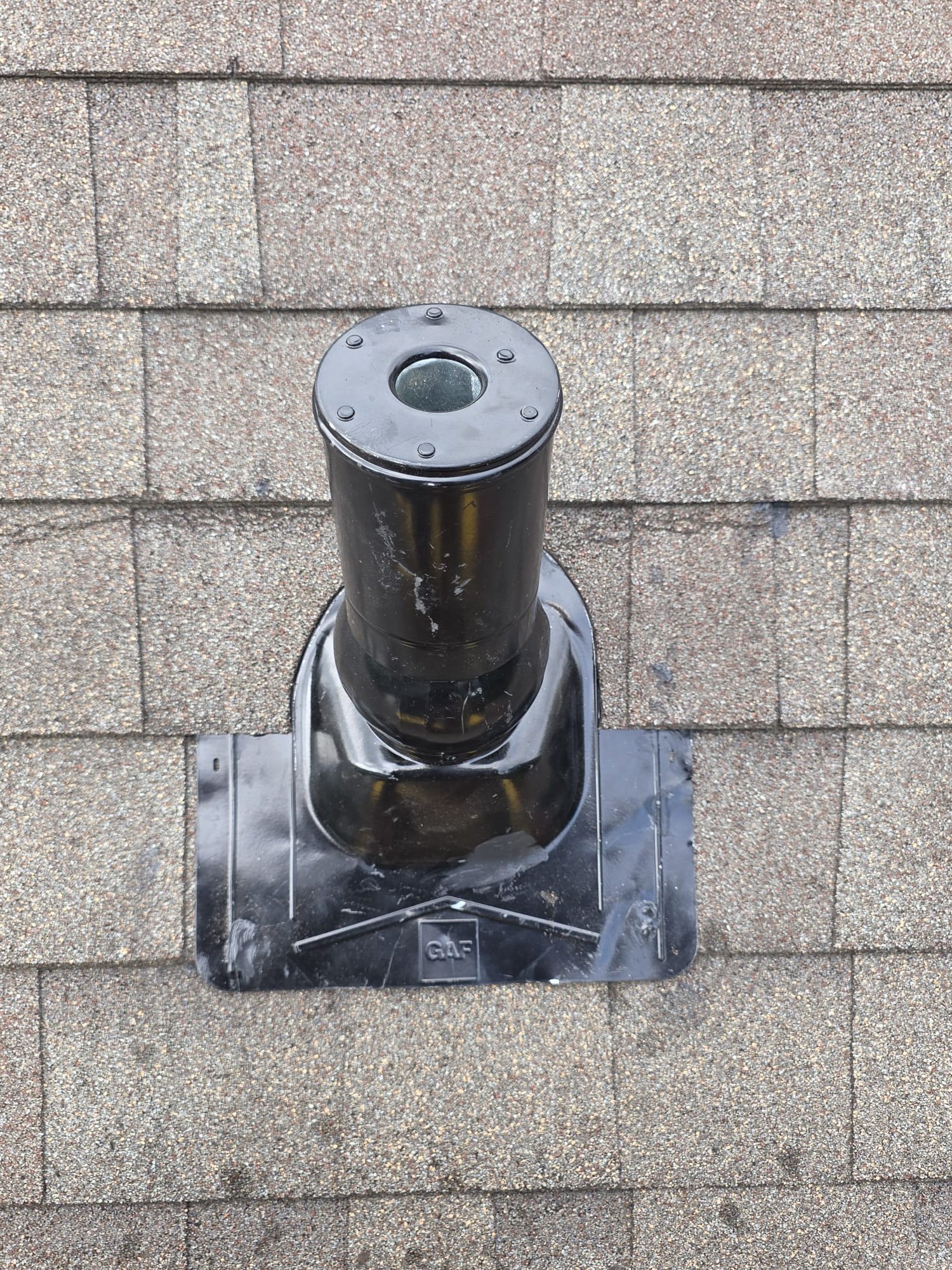
What the repair focused on
The solution in this Knoxville home was aimed at stopping water before it could keep entering the structure.
The work included:
- New gutter sections to improve water flow
- Leaf protection in the areas that needed it most
- Replacement roof boots around vent openings
- A final check to make sure water would move away from the home more reliably
In plain terms, the HEP technician helped the house shed water better. That matters because when rainwater is managed correctly, it stays outside where it belongs.
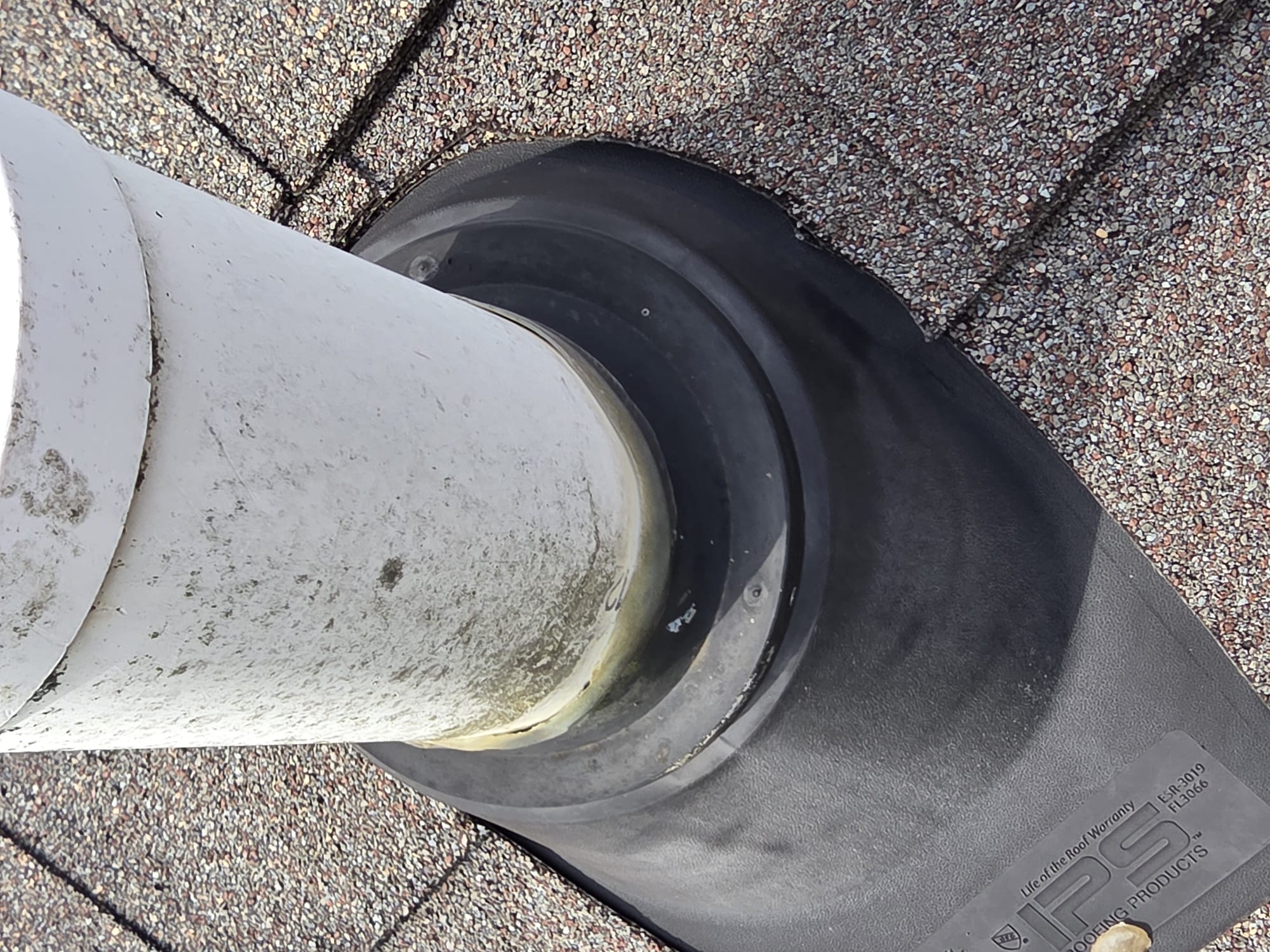
Why roof boots matter so much
Roof boots are easy to overlook because they are small, but they do an important job. They seal around pipes that pass through the roof. Over time, the rubber can dry out, crack, or loosen.
When that happens, rainwater can travel around the opening and cause hidden damage. A leak may not show up right away. It might first appear as:
- A faint ceiling stain
- Bubbling paint
- A damp corner near an outside wall
- A musty smell after heavy rain
That is why a HEP technician will often check these spots during a roof inspection, especially when a homeowner reports a leak but the roof surface itself does not look dramatic from the ground.
Gutters are more important than they look
A lot of people think gutters are only there to catch rain. They do much more than that. Good gutters help keep water away from:
- The fascia and roof edge
- The siding
- The foundation
- The attic and ceiling areas below
If gutters are the wrong size, loose, or not pitched correctly, water can spill over or run where it should not. That can eventually lead to leaks inside the house.
In this case, updated guttering helped correct the problem so rainwater could be carried away instead of collecting at the edge of the roof.
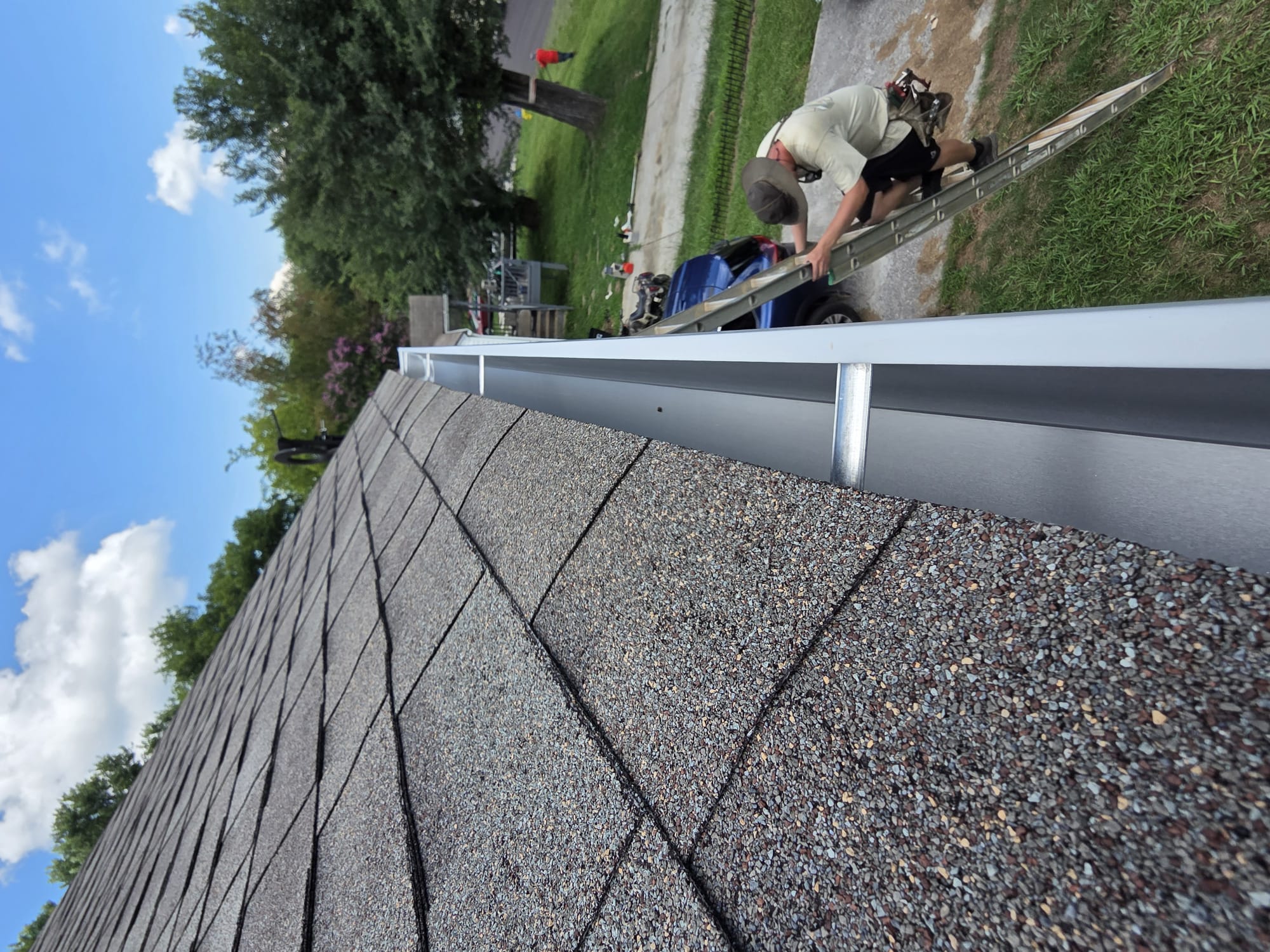
Signs homeowners should watch for
Here are a few simple warning signs that can help homeowners catch trouble early:
- Brown spots on ceilings or near corners
- Water marks around windows or exterior walls
- Gutters overflowing during rain
- Water dripping behind the gutter instead of through it
- Rust, cracks, or gaps around roof vent pipes
- Shingles that look wavy, lifted, or curled near the edge
If you spot any of these, it is better to have a HEP technician check things before the problem spreads.
A few helpful homeowner tips
You do not need to climb on the roof to stay ahead of these problems. A few easy habits can make a big difference:
-
Walk the outside of the house after heavy rain.
Look for overflow, dripping, or water running where it should not. -
Check the ceilings and upper corners inside the home.
Small stains often show up before a larger leak becomes obvious. -
Keep gutters clear of leaves and debris.
Even a small blockage can change how water moves. -
Watch roof penetrations from the ground.
Pipes and vents may not seem important, but they are common leak points. -
Call early when you see a change.
A fast inspection may prevent drywall damage, paint repairs, and more expensive work later.
The takeaway
This Knoxville case is a good reminder that roof leaks are not always caused by a major failure. Sometimes the problem is a combination of drainage and sealing details around the roof edge. In this home, a HEP technician corrected the water path with new guttering, added protection where needed, and replaced worn roof boots so the home would better handle future rain.
For homeowners, the big lesson is simple: small roof and gutter issues can lead to indoor water stains if they are left alone too long. If you notice signs of moisture, it is smart to have the system checked before the damage grows.
Published on July 24, 2026