How a Simple Safety Check Can Save Your AC: Tips from a Cleveland Service Call
Heating and Air Conditioning | Cleveland | Heating and Air Conditioning in Cleveland
When Routine Maintenance Reveals Hidden Issues
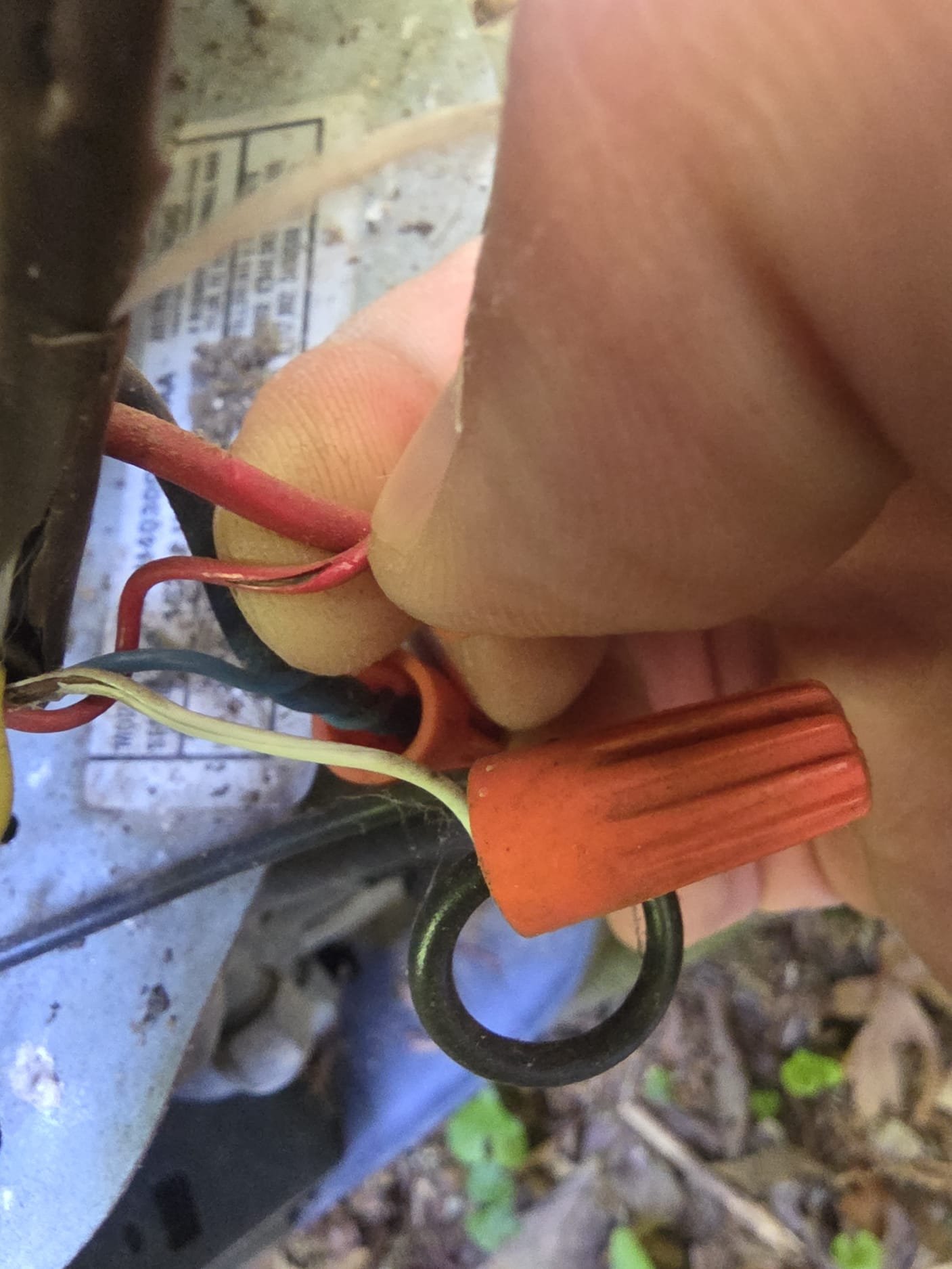
A homeowner in Cleveland scheduled their annual HSAC air conditioner inspection, expecting a quick tune-up. Instead, our HEP technician discovered several low-voltage wires left exposed inside the control panel—an unseen hazard—and a capacitor that had lost its ability to start the system reliably. After explaining the safety concerns and performance risks, the homeowner agreed to proceed with repairs on the spot. Our technician carefully rewired the loose connections, swapped in a new capacitor, and then ran the unit through its paces. The results? A unit that now operates exactly as the manufacturer intended and a very happy homeowner who left us a five-star review.
Spotting Unsafe Wiring: Why It Matters
Even small gaps in electrical insulation can lead to shorts or premature component failures. During inspections, HEP technicians look for:
- Loose or unprotected wire ends
- Signs of wear or corrosion on wire nuts
- Proper routing to avoid contact with sharp edges
By addressing these concerns quickly, you protect your system from unexpected breakdowns—and keep your home safer.
The Unsung Hero: AC Capacitors
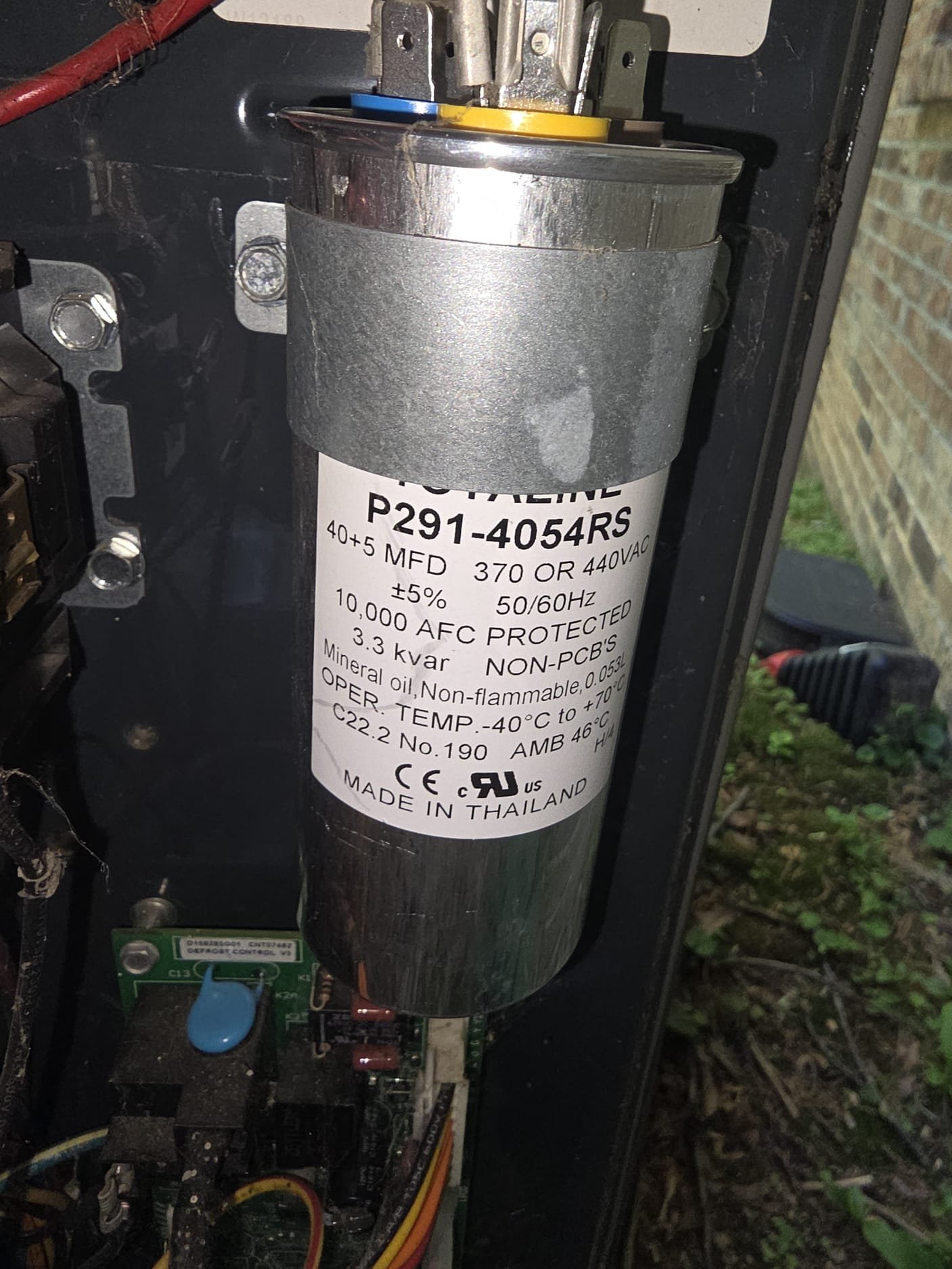
A capacitor is a small device that helps your compressor and fan motor start up smoothly. When it fails, you may notice:
- Humming noises or struggling starts
- Short cycling (turning on and off rapidly)
- Reduced cooling performance
Replacing a worn capacitor is a straightforward job for a trained technician, but it can breathe new life into an older system without full equipment replacement.
Verifying Reliable Operation
Once repairs are complete, HEP technicians always run final tests to ensure your system meets factory specs. This includes:
- Checking airflow and temperature drop
- Listening for unusual sounds
- Confirming that safety features engage properly
These steps guarantee that your AC will keep you comfortable all season long.
Proactive Tips for Homeowners
-
Schedule Annual Check-Ups
Routine inspections can catch hidden issues before they become costly repairs. -
Keep Equipment Area Clear
Make sure the space around your indoor and outdoor units is free of clutter for better airflow and easier maintenance. -
Ask About Safety Repairs
If you’re presented with options like rewiring or component replacement, a reputable company will explain why it’s necessary and how it protects your home. -
Document Service History
Note dates of maintenance and parts replaced. Photos of labels or components can speed up future visits.
By following these tips and working with qualified professionals—like the HEP technicians who handle Heating and Air Conditioning projects in Cleveland—you’ll enjoy a safer, more efficient cooling season.
Published on May 6, 2026