Bathroom Sink Leak Repair Tips for Chattanooga Homeowners
Helpful resources: Plumbing, Chattanooga, and Plumbing in Chattanooga
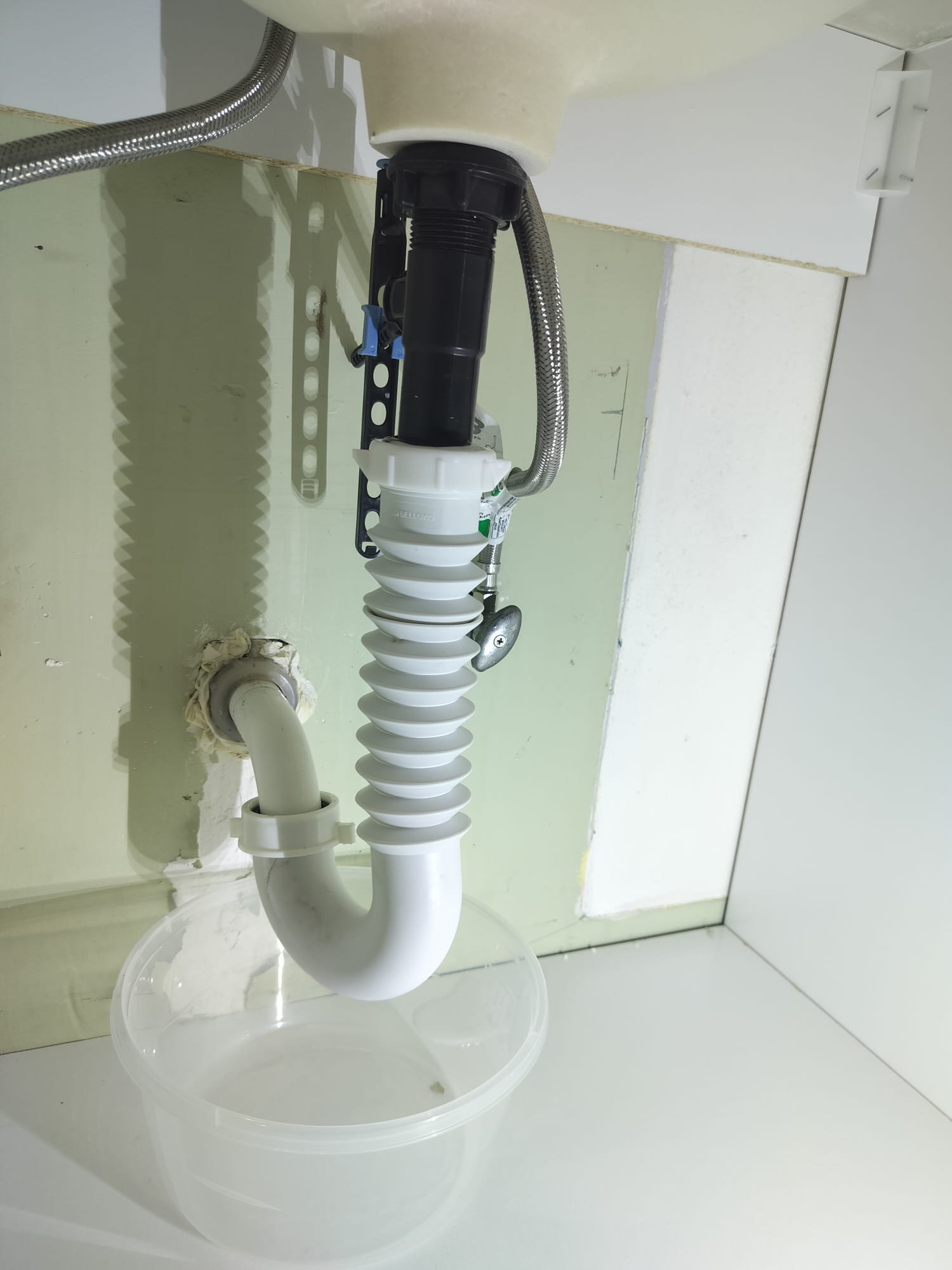
A Chattanooga homeowner recently discovered water collecting inside the cabinet under a bathroom sink after a fresh bathroom update. The sink area looked fine at first glance, but the problem was hiding below the cabinet floor where the drain assembly connects. A HEP technician inspected the setup, replaced the faulty trap connection, and tested everything carefully until the area stayed dry.
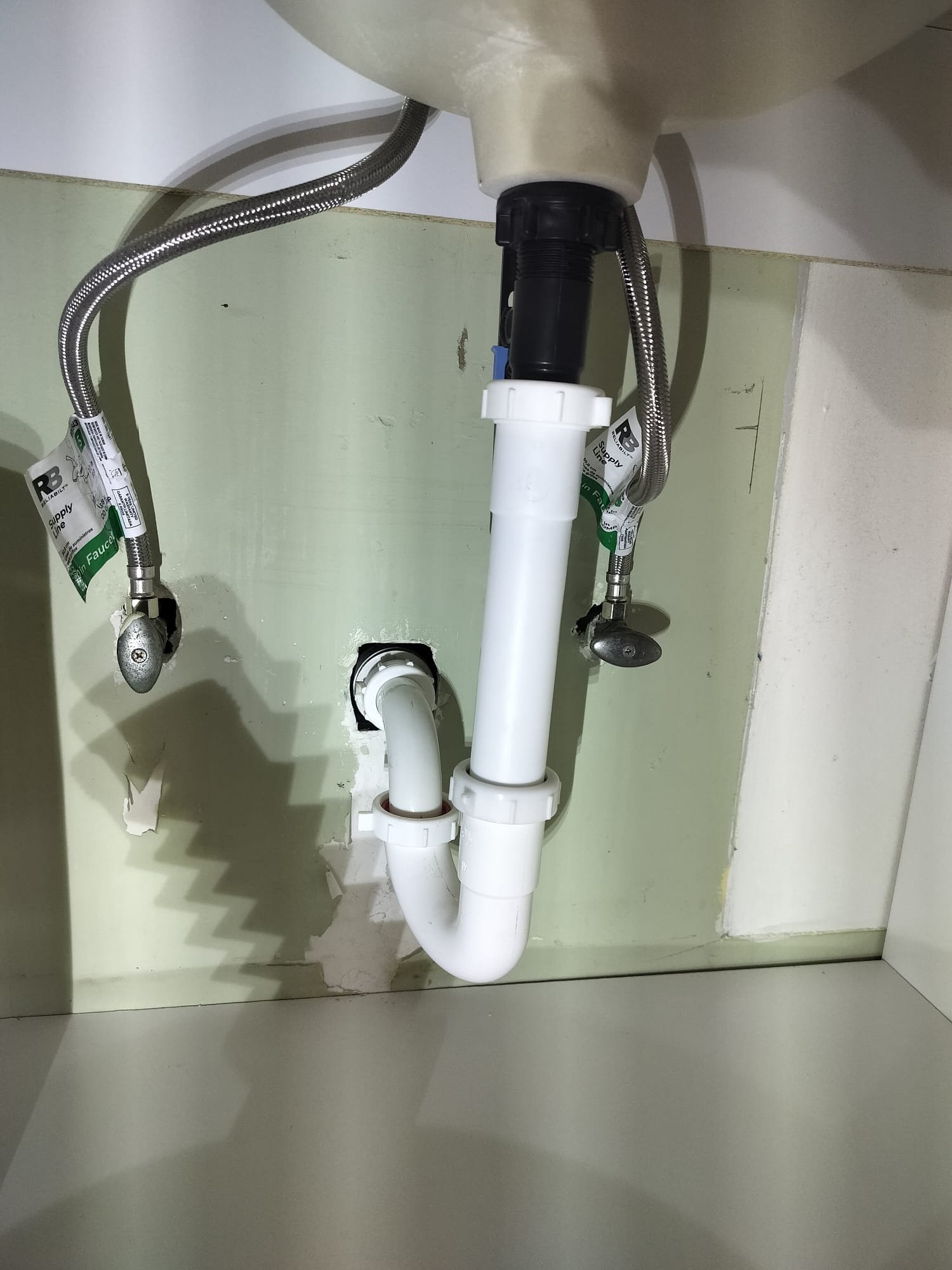
What homeowners should watch for
This kind of issue is more common than many people think, especially after a remodel or fixture replacement. Even when the sink itself looks perfect, the parts underneath can shift, loosen, or wear out over time.
A few early warning signs include:
- Water droplets inside the cabinet
- A musty smell near the vanity
- Soft or swollen wood around the bottom of the cabinet
- Drips after someone runs the faucet
- Wet spots on stored items under the sink
If you notice any of these, it is a good idea to check the area before the problem gets bigger.
Why small leaks deserve quick attention
A leak under the sink can seem minor at first, but it can lead to bigger headaches quickly. Water can damage cabinets, ruin flooring, and create an ideal place for mold to grow. In a recently renovated bathroom, even a small drip can undo a lot of work.
For this homeowner, the goal was not a full overhaul. It was a practical repair that solved the immediate issue and protected the new bathroom finishes already in place.
How HEP handled the repair
The HEP technician identified the problem area beneath the sink and replaced the damaged drain trap connection. After that, the system was tested with running water to make sure the repair held up under normal use.
That final step is important. A repair is not finished just because the parts are back in place. It should also be checked for:
- Leaks at the joints
- Drips after water drains
- Loose connections
- Standing water in the cabinet
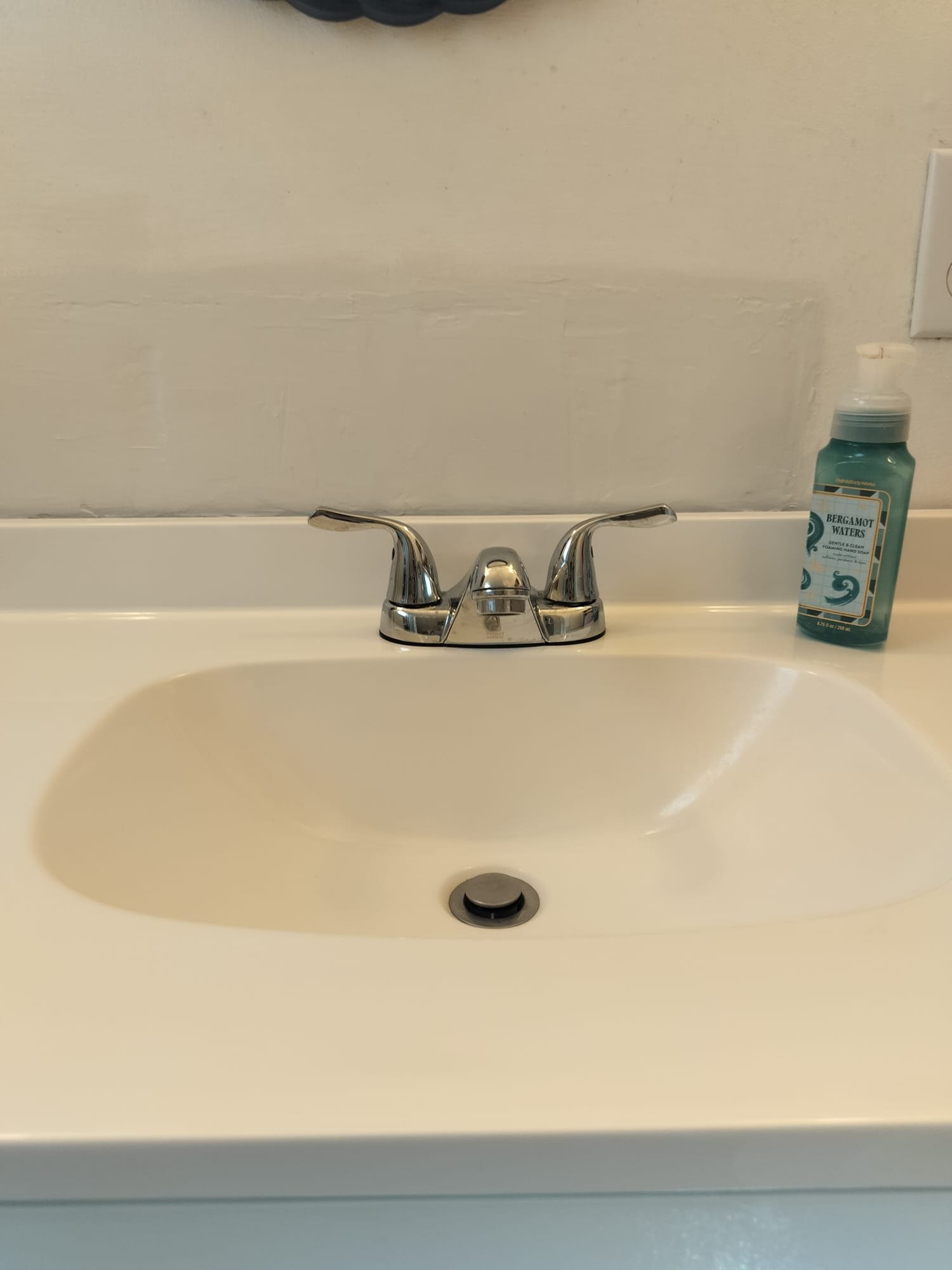
Once the repair passed testing, the sink was ready to use again without active leaking.
Simple tips to protect your bathroom plumbing
Here are a few easy habits that can help homeowners avoid surprise leaks:
1. Look under the sink once a month
Open the cabinet and check for damp spots, stains, or puddles. A quick glance can catch a small issue early.
2. Wipe around the pipes
If you see moisture, dry the area and check again after using the sink. This helps you tell the difference between an old spill and an active leak.
3. Pay attention after a remodel
New vanities, fresh flooring, and updated sinks are a great improvement, but the plumbing connections still need to be secure. Any time the sink area is changed, it is smart to monitor it closely for the first few weeks.
4. Don’t ignore slow drips
Even a tiny drip can cause hidden damage over time. If water is coming from the cabinet area, the safest move is to have it checked promptly.
5. Make sure the repair matches your needs
If a homeowner is trying to stay within a tight household budget, a focused repair is often the best choice. A HEP technician can help restore function now and discuss next steps if anything else needs attention later.
A simple fix that made a big difference
In this Chattanooga home, a leaking sink connection was repaired before it could cause more damage. The result was straightforward: no more dripping, a dry cabinet, and peace of mind for the homeowner.
For homeowners, the big takeaway is simple: when you spot moisture under a sink, act early. A quick plumbing check can save time, reduce stress, and protect the bathroom you worked hard to improve.
Published on August 17, 2026