AC Cooling Trouble in Bristol: A Small Outdoor Problem That Left the Home Warm
On a service call in Bristol, a homeowner noticed that the air conditioner seemed to be running, but the house still felt too warm. A HEP technician checked the system, confirmed the indoor side was working normally, and traced the trouble to the outdoor unit. After repairing a heat-damaged wire and replacing a failed start-up capacitor, the cooling system came back on and the home began to cool again. A final check showed no other concerns.
For homeowners looking for more information, the pages for Heating and Air Conditioning, Bristol, and Heating and Air Conditioning in Bristol are useful places to start.
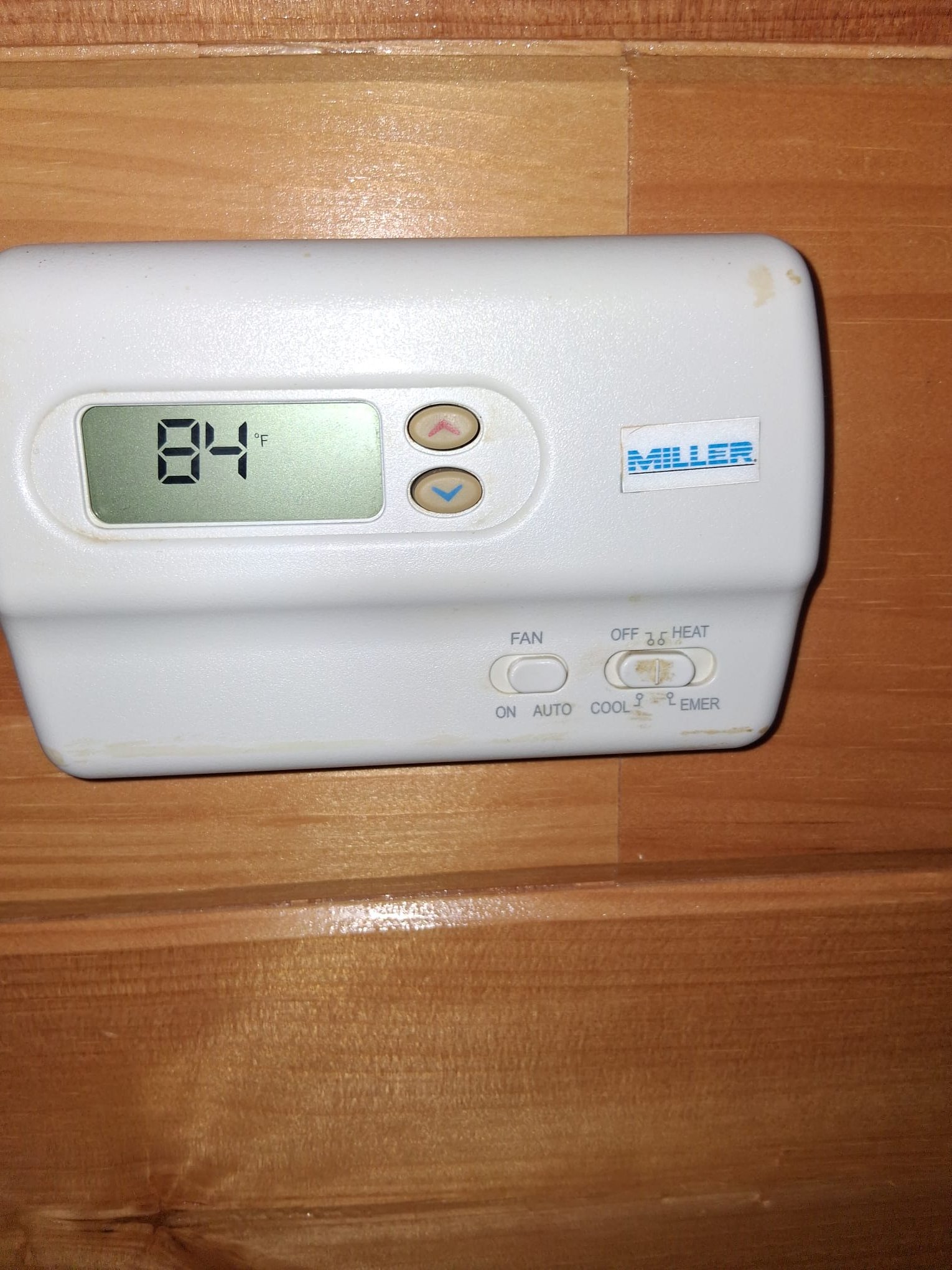
When the thermostat says the home should be cool but the rooms stay warm, something in the system may need attention.
What the homeowner noticed
One of the most common AC complaints is simple: the air is moving, but it does not feel cool. That can be confusing because the system still sounds like it is on.
In this case, the indoor fan was running, so the problem was not obvious at first glance. A HEP technician looked at both sides of the system and found that the issue was outside, not inside the house.
That is an important lesson for homeowners: a running fan does not always mean the whole cooling system is healthy.
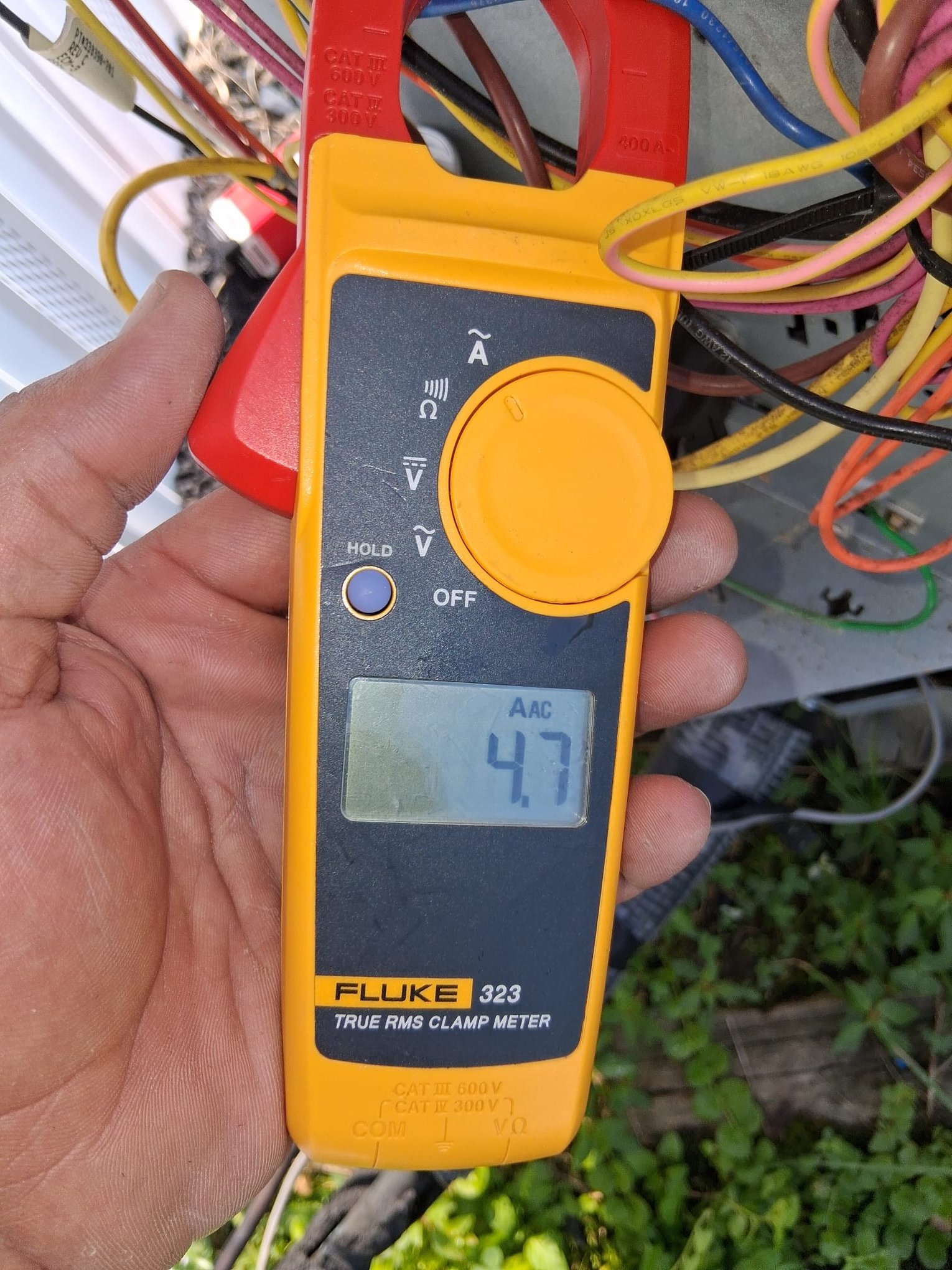
Checking the system while it is running helps a HEP technician see whether the equipment is behaving normally.
What the HEP technician found
After checking the indoor section, the HEP technician focused on the outdoor unit. The problem turned out to be an electrical one.
In plain terms, the outdoor equipment had:
- a damaged wire,
- and a failed start-up capacitor, which helps the unit get moving when it begins a cooling cycle.
When one small electrical part fails, the whole system can struggle. The good news is that this kind of issue is often fixable without needing to replace the entire unit.
How the repair was completed
The damaged wiring was corrected, the faulty part was replaced, and the system was started again.
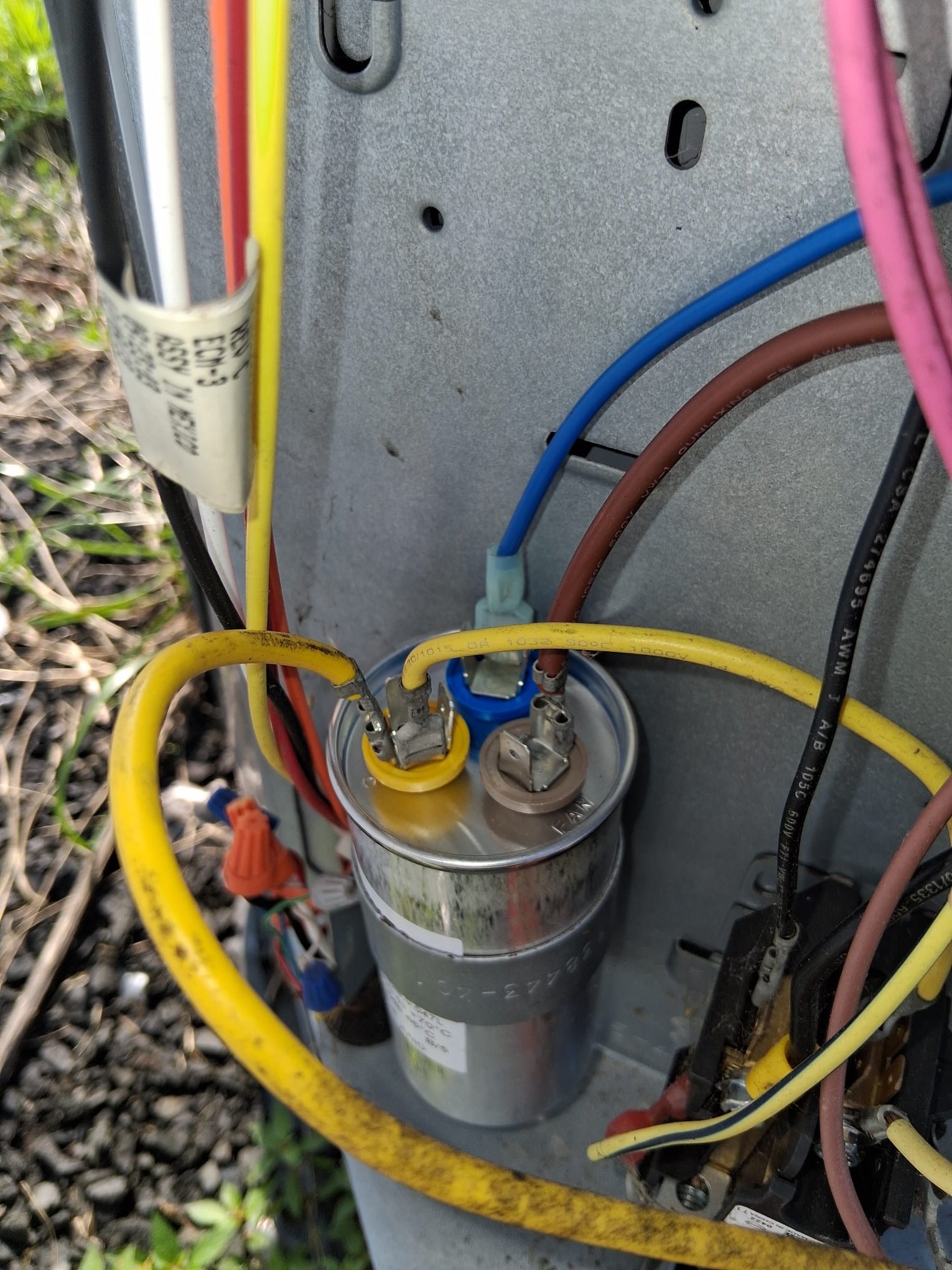
Fresh, secure components help the outdoor unit return to normal operation.
Once the repair was finished, the HEP technician tested the system again to make sure it was cooling properly. The result was a normal start-up and comfortable air inside the home.
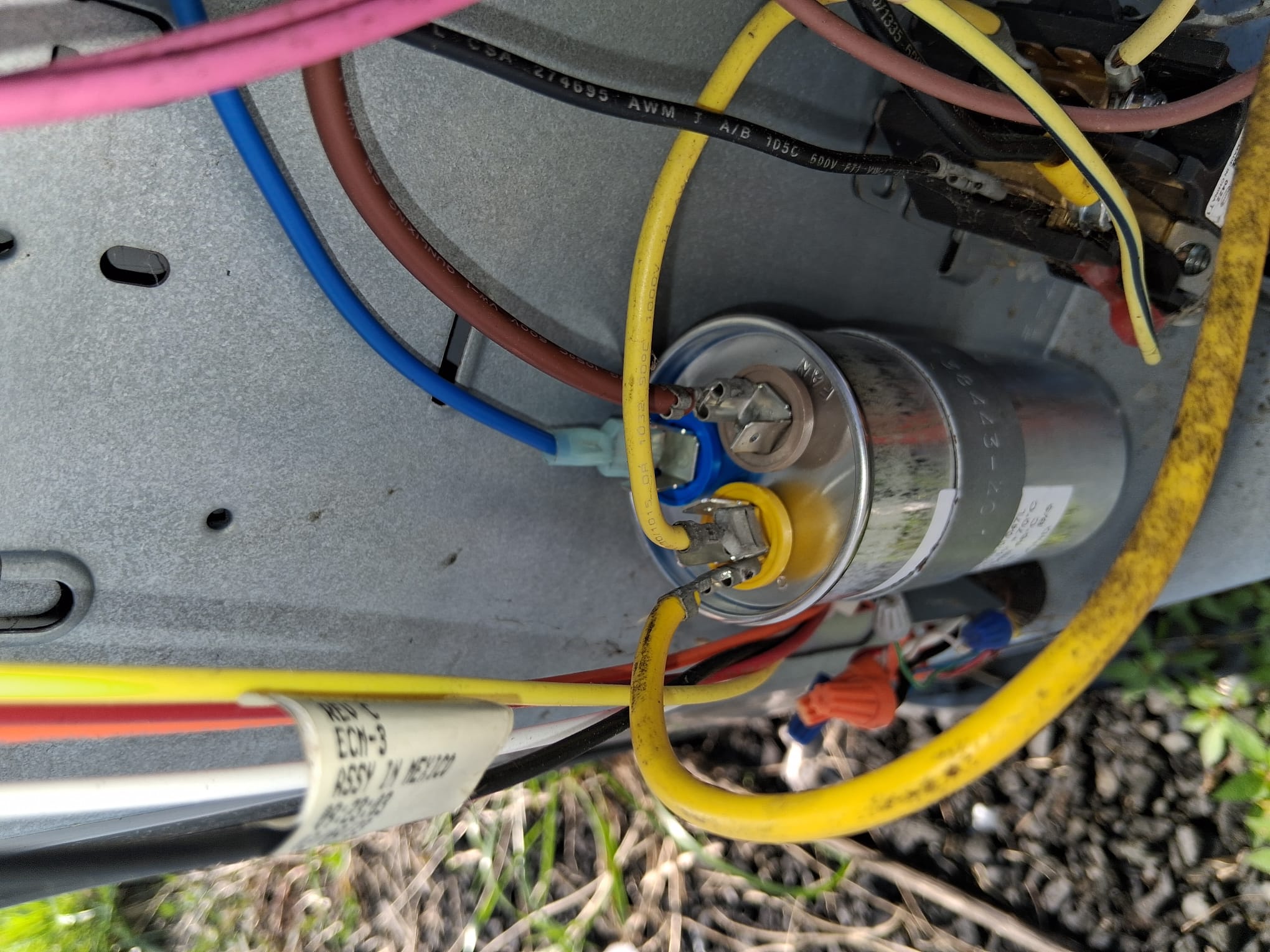
A tidy repair is a good sign that the unit has been put back together correctly and is ready for use.
Why this matters to homeowners
This Bristol repair is a good reminder that HVAC problems are not always dramatic. Sometimes the issue is small, hidden, and outside the home where most people do not look.
Here are a few simple signs that it may be time to call for service:
- The fan runs, but the air does not feel cool
- The outdoor unit is unusually quiet, buzzing, or slow to start
- A breaker trips more than once
- There is a burning smell near the equipment
- The home takes much longer than usual to cool down
If you notice one or more of these signs, it is best to stop guessing and let a HEP technician take a look.
Easy tips to help prevent future cooling trouble
Homeowners can also help their systems by keeping a few habits in mind:
- Keep the outdoor unit clear of leaves, weeds, and yard debris.
- Change air filters regularly so the system can breathe easily.
- Pay attention to new noises like buzzing, clicking, or humming.
- Do not ignore weak cooling just because the fan still works.
- Schedule routine HVAC service before the hottest part of the year.
- Ask about surge protection if your home often sees power flickers or storm-related electrical issues.
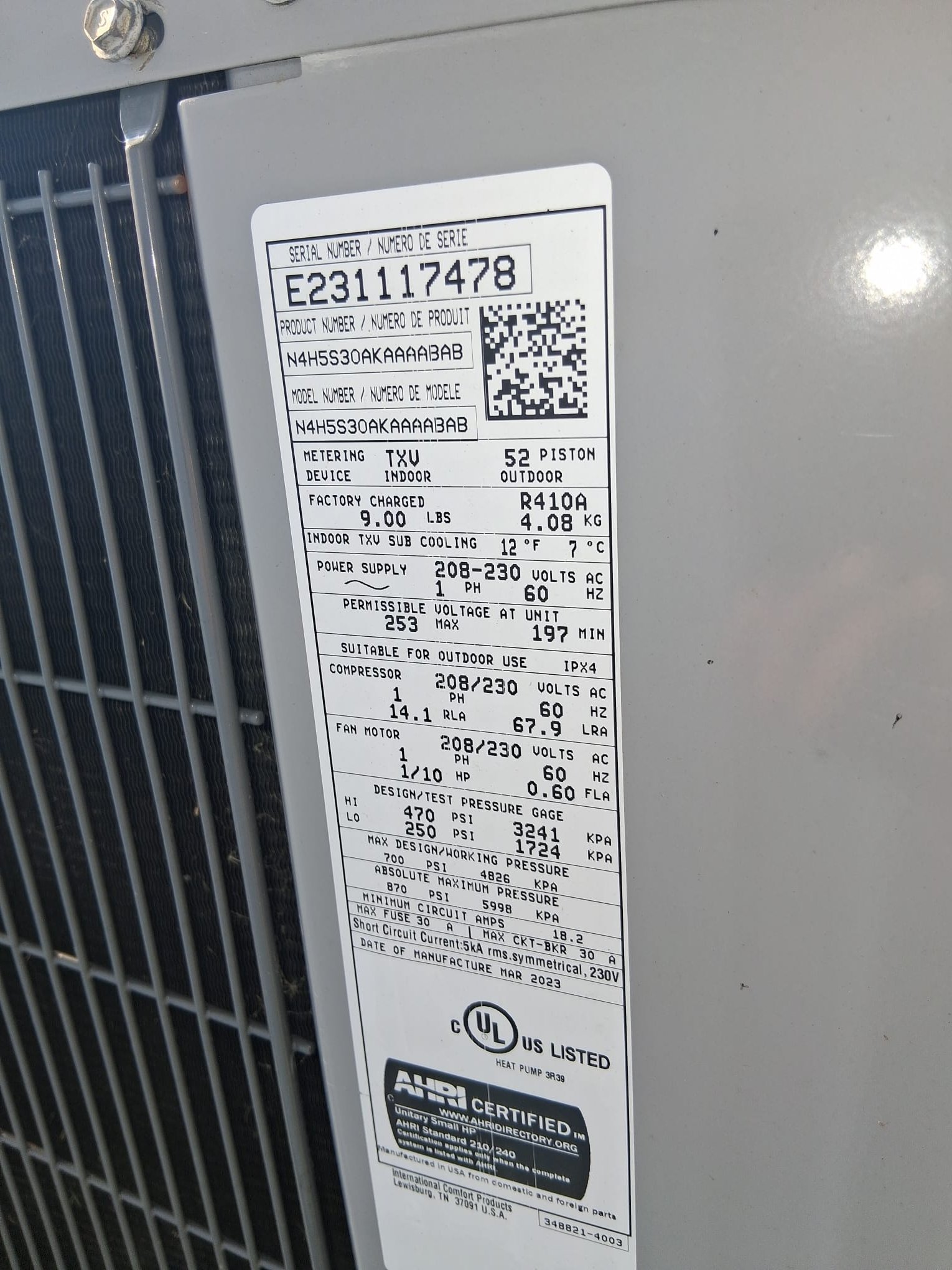
Model information on the outdoor unit helps a HEP technician identify the equipment quickly during future service visits.
A simple takeaway for Bristol homeowners
When an AC system is blowing air but not cooling well, the cause may be outside the home and easier to miss than expected. In this Bristol visit, a HEP technician found the problem, repaired it, and confirmed the system was back to normal.
For homeowners, the main lesson is clear: small electrical problems can create big comfort problems. Catching them early can help keep a minor repair from becoming a major interruption on a hot day.
Published on August 31, 2026