A Smooth Flow: Tips for Homeowners When Pipes Need Replacing
Plumbing | Knoxville | Plumbing in Knoxville
When a Knoxville homeowner noticed water backing up in her kitchen sink, she called HEP for help. The culprit turned out to be a cracked cast-iron line hidden under the house, leaking into the crawlspace and causing the sink to clog. Let’s walk through how our team tackled the challenge—and how you can prepare your home for similar work.
The Customer’s Challenge
- Slow drains and kitchen backup.
Our client had already invited another company, but they politely declined to enter the damp crawlspace. - Hidden damage.
Inspecting beneath the house, our HEP technician found a broken metal pipe fused to older kitchen plumbing. - Financing hurdles.
After exploring financing options, the homeowner chose to move forward with a manageable payment plan.
How the Issue Was Solved
-
Clearing the space.
A pump truck removed standing water and debris from the crawlspace, giving clear access to the damaged section. -
Removing the old pipe.
Cast-iron piping was carefully cut out, leaving a dry work area below the kitchen. -
Tying into existing PVC.
The new plastic line was seamlessly connected to the pipe installed during a prior bathroom remodel. -
Lining and sealing.
Once the piping was in place, a fresh protective lining was laid down to keep moisture at bay. -
Worry-free follow-up.
Our team returned under warranty to clear a minor kitchen clog with a professional drain auger—no travel fee for related issues.
In the end, the sink flowed freely and the crawlspace stayed dry, giving our homeowner peace of mind.
Tips for Homeowners
1. Keep access clear.
Trim back debris around crawlspace doors and remove stored items. Easy entry means faster service.
2. Watch for early signs.
Slow draining, musty smells or wet insulation are clues that hidden pipes may be compromised.
3. Ask about materials.
Modern PVC or PEX pipes resist corrosion much longer than cast-iron. When replacement is needed, opt for long-lasting materials.
4. Plan for moisture control.
A vapor barrier or fresh lining under the floor can prevent dampness from returning after repairs.
5. Understand warranties.
If a technician’s work causes a new clog or leak, related follow-up visits may be covered at no extra travel cost.
Behind the Scenes: Tools of the Trade
Our HEP technician doesn’t just rely on skill—professional equipment makes a difference. From drain augers to pump trucks, the right tools help keep your home safe and dry.
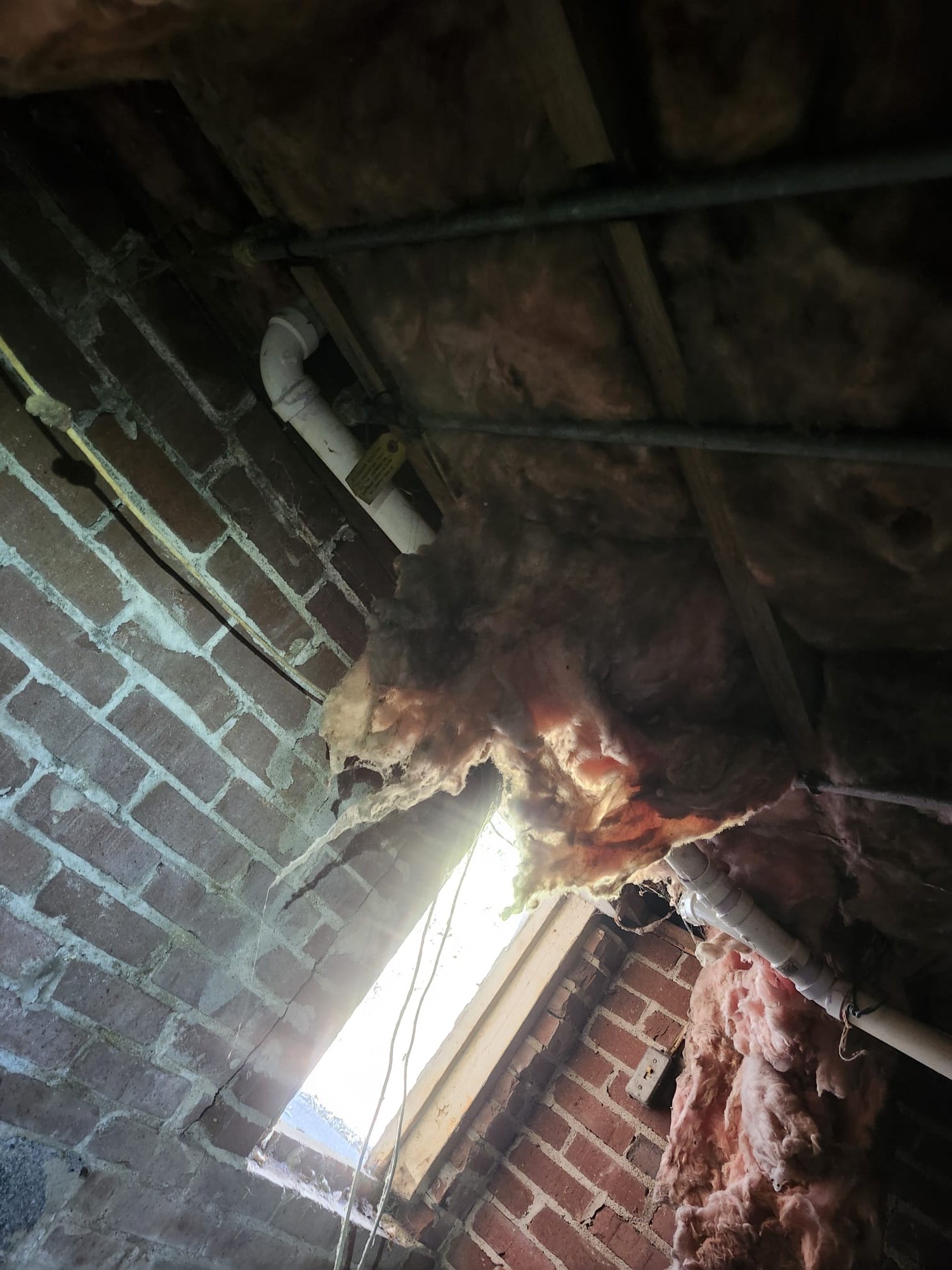
A clean, straight PVC run ensures reliable drainage for years to come.
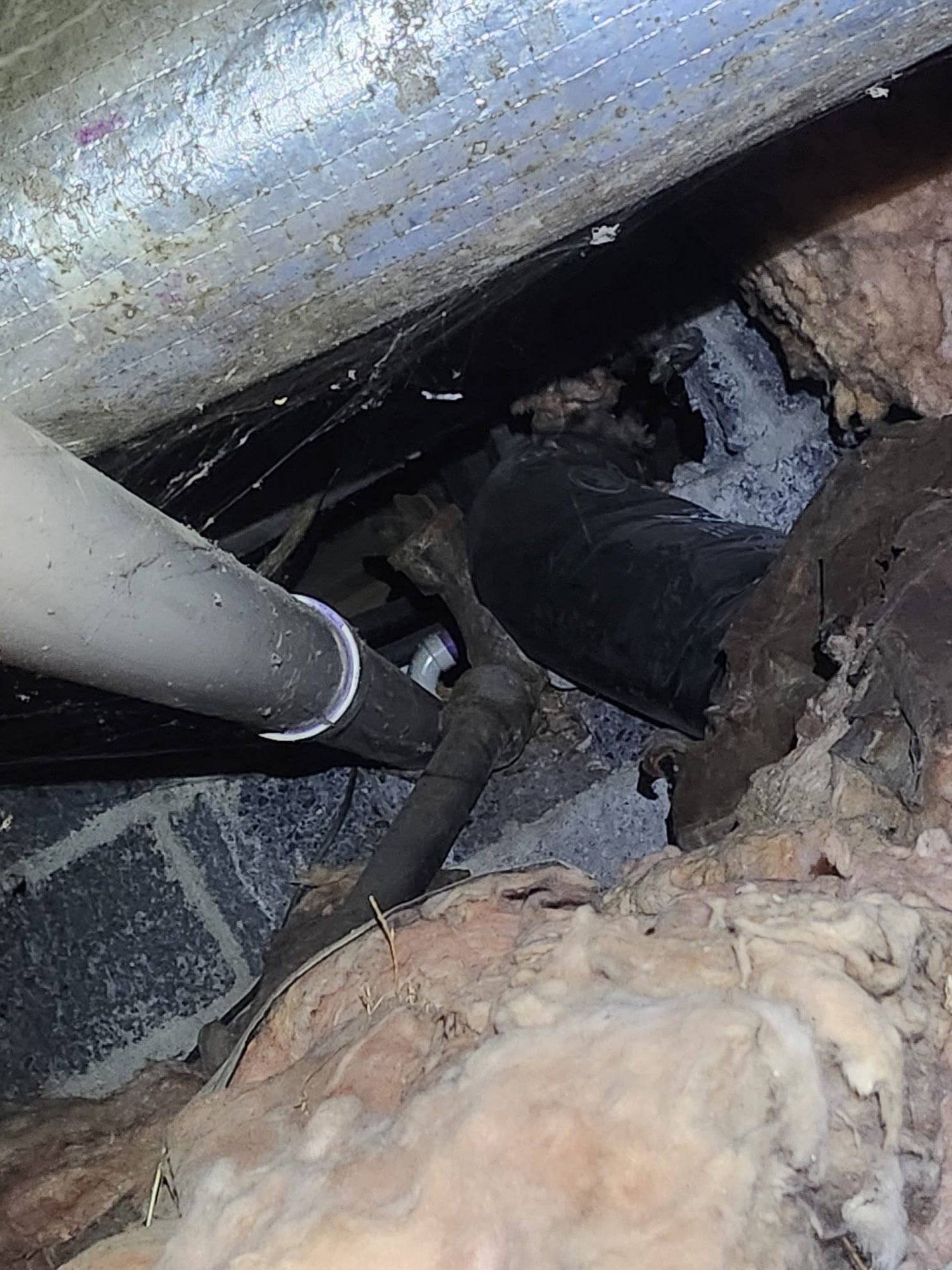
Upgrading corroded metal to plastic piping minimizes future leaks.
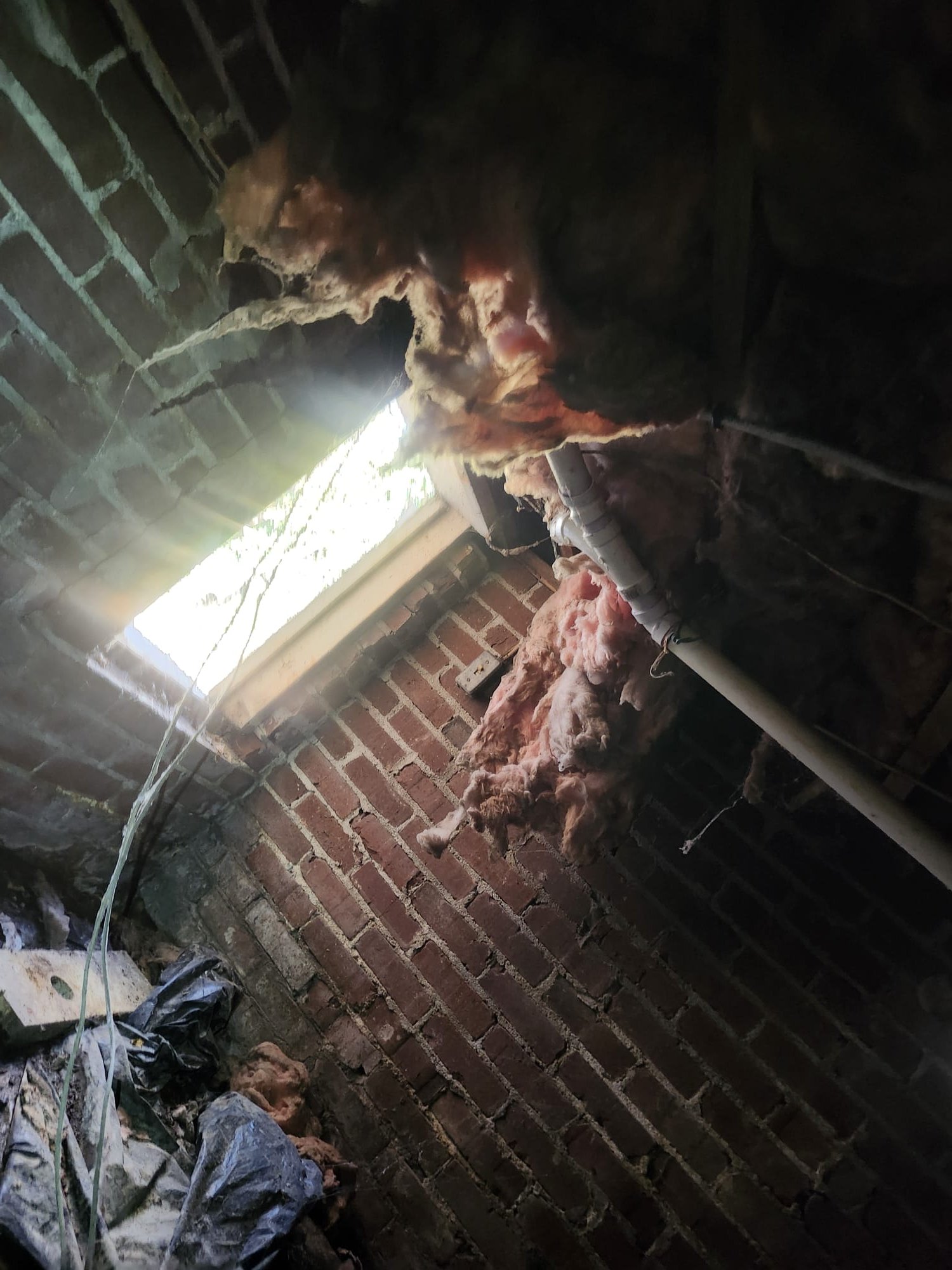
Tying into existing work lets technicians avoid digging up finished areas.

A targeted auger visit under warranty can quickly fix a pesky clog.
By understanding the process and preparing key areas, homeowners in Knoxville can make plumbing replacements and drain repairs go smoothly. When in doubt, reach out to an experienced HEP technician—your pipes (and your peace of mind) will thank you!
Published on January 2, 2026