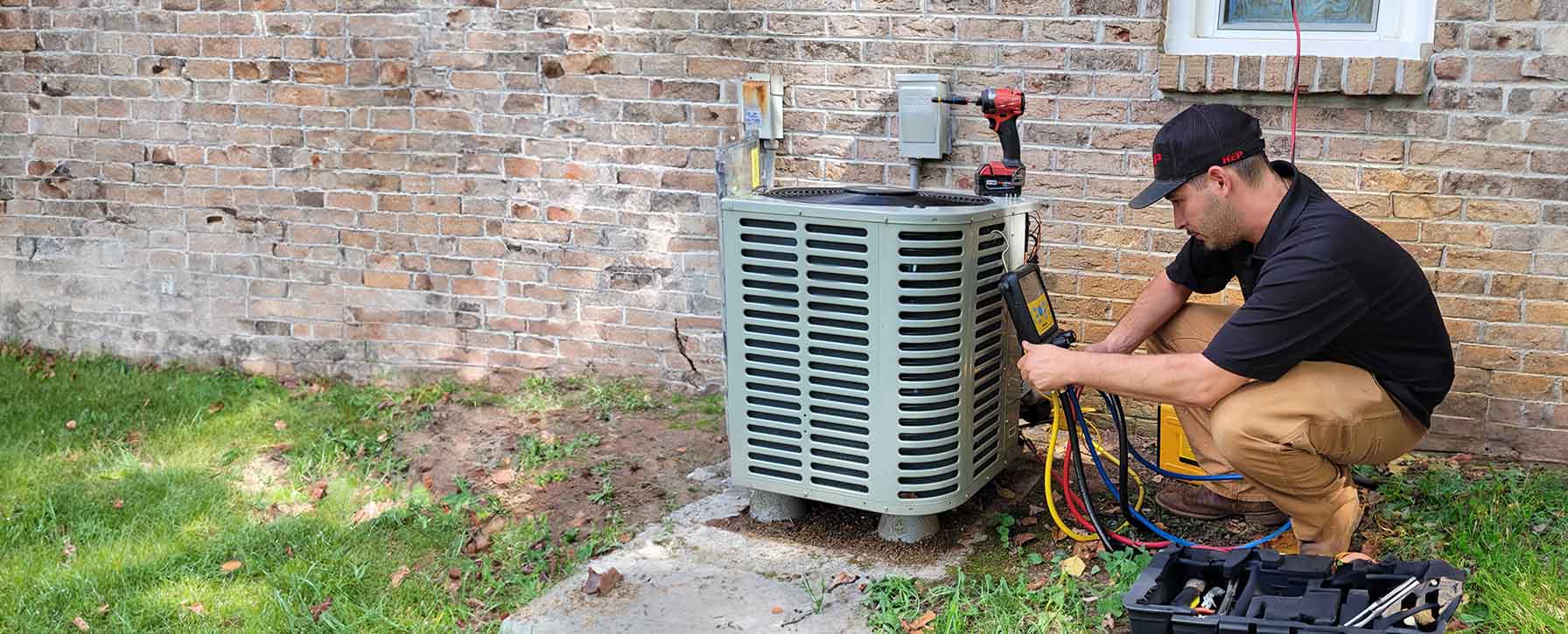

Indoor Comfort
Your trusted partner for professional home services. Quality workmanship, guaranteed satisfaction.

Indoor Comfort | Dehumidifier Installation | Heating and Air Conditioning | Townsend
Feel the difference a perfectly balanced indoor climate makes with HEP’s Indoor Comfort Heating & Air Conditioning team in Townsend. Nestled at the gateway to the Great Smoky Mountains, our community knows all too well how sticky summer afternoons can seep into basements, crawl spaces, and living areas—triggering musty odors, mold growth, and never-ending discomfort. Our certified technicians size, select, and integrate top-tier systems that quietly pull excess moisture from the air while working in harmony with your existing HVAC equipment, so you can breathe easier and protect everything you treasure inside your home.
Schedule your dehumidifier installation today and see why neighbors across Blount County trust HEP for five-star service, upfront pricing, and results you can feel from the moment you walk through the door. We arrive on time, respect your space, and back every job with industry-leading warranties—delivering hometown care that keeps Townsend comfortable year-round.
FAQs
Why should I add a whole-home dehumidifier to my heating and air-conditioning system in Townsend?
Townsend experiences warm, muggy summers that can drive indoor relative humidity above the ideal 40–50 % range. Excess moisture makes rooms feel hotter, encourages mold growth, and can warp wood floors or furniture. A professionally installed dehumidifier removes this extra moisture before air circulates through your ducts, giving you greater comfort at a lower thermostat setting, protecting your home’s structure and furnishings, and relieving allergy and asthma symptoms.
How does a dehumidifier integrate with my existing HVAC equipment?
We install the dehumidifier in the return-air plenum or as a dedicated bypass to your supply and return ductwork. A humidistat senses when moisture exceeds your set point and signals the unit to turn on. Dry, conditioned air is then routed back into the supply duct so every room benefits. The system shares your HVAC’s electrical circuit and condensate drain, so no separate window units, buckets, or portable cords are required.
What size dehumidifier will my home need?
Sizing is based on the home’s square footage, typical occupancy, and measured indoor humidity load. During our free in-home assessment we calculate pint-per-day removal requirements using AHAM guidelines and the local Townsend design conditions. Most single-family homes fall in the 70–120 pints/day range, but we stock models up to 130 pints for larger or high-humidity properties. An accurately sized unit will cycle efficiently without over-drying the air.
How long does installation take and will it disrupt my daily routine?
A standard retrofit usually takes 4–6 hours. We begin by protecting floors and furniture, then cut minimal access openings in the duct, mount the dehumidifier, tie into the electrical panel, and connect the condensate drain to an existing line or a new pump. Your HVAC can run again the same day, and there is little to no drywall repair required. Many Townsend homeowners schedule morning appointments and have full operation by lunchtime.
What maintenance is required after installation?
Maintenance is simple: clean or replace the unit’s MERV-rated air filter every 6–12 months, inspect the condensate line for clogs, and wipe the sensor probe if dust accumulates. During your annual HVAC tune-up we also check refrigerant pressures, blower amperage, and humidistat calibration. With this routine service a quality dehumidifier will provide 10–15 years of reliable moisture control.
How much does a whole-home dehumidifier cost to run, and can it save on energy bills?
A properly sized unit in Townsend averages 1.6–3.0 kWh per day—about $6–$10 per month at current Delmarva electric rates. Because drier air feels cooler, most homeowners raise the thermostat 2–3 °F and run the air-conditioner less, offsetting much of that operating cost. Additionally, lower humidity reduces wear on your AC coil and blower, often extending equipment life and reducing repair expenses.