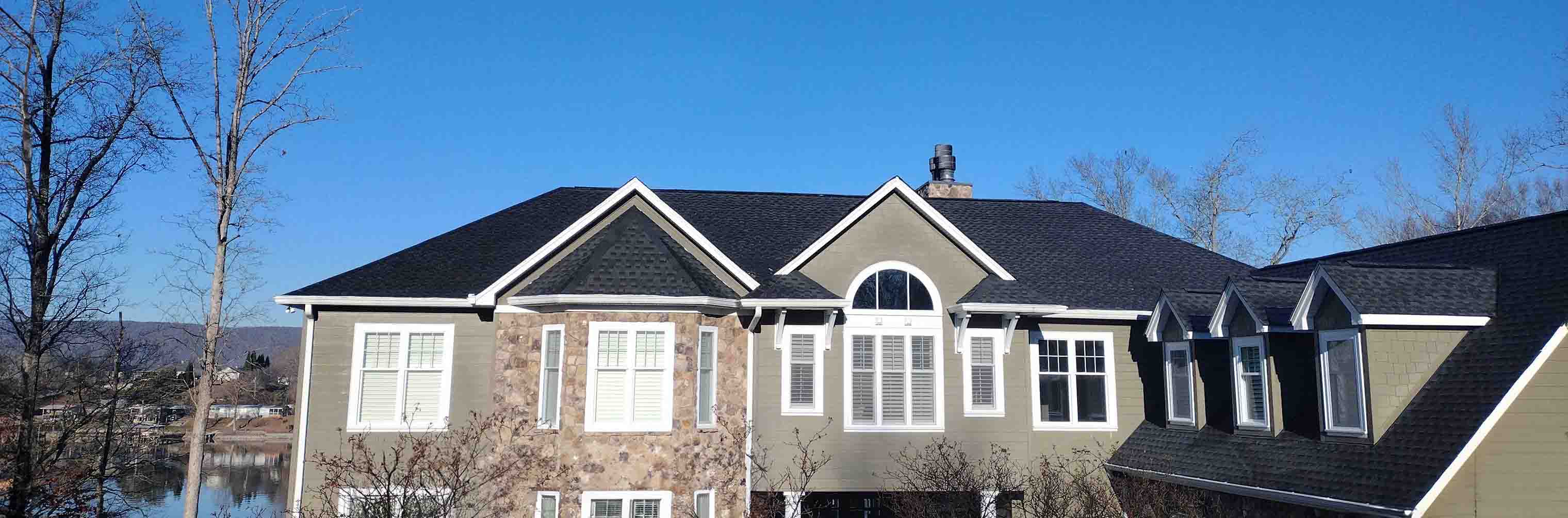

Wind Damage
Your trusted partner for professional home services. Quality workmanship, guaranteed satisfaction.

Wind Damage | Roofing | Johnson City
When highland winds sweep across Johnson City, shingles can lift, flashing can bend, and tiny leaks can turn into costly headaches overnight. HEP’s local team arrives fast, armed with infrared scanners and decades of know-how to track hidden moisture and safeguard what matters most—your home and peace of mind. From emergency tarping to meticulous repairs, we handle every step with clear communication and honest pricing, all backed by a workmanship guarantee that stands up to the fiercest Appalachian gusts.
Choose HEP for roofing support that feels neighborly. We live where you live, so we treat every project like it’s our own, filing detailed insurance reports and restoring curb appeal in a single visit whenever possible. Call today for a free, no-pressure inspection and experience why so many Johnson City homeowners trust HEP when the wind howls.
FAQs
What kinds of wind damage are most common to roofs in Johnson City?
Because Johnson City sits in the foothills of the Appalachians, we frequently see straight-line winds and down-slope gusts that can lift shingles, loosen flashing, and snap ridge caps. Over time, these high winds may also pull nails, crease asphalt shingles, break sealant strips, and expose underlayment. In severe events, entire roof sections or decking can be displaced. Our inspections focus on identifying each of these issues before underlying wood and interior finishes are affected.
How can I tell if my roof has suffered wind damage after a storm?
Look for missing, curled, or cracked shingles visible from the ground, granule piles at the ends of downspouts, bent gutter edges, and exposed nail heads or flashing. Indoors, check ceilings for new water spots or damp attic insulation. However, many wind-lifted shingles reseal themselves and hide damage, so a professional roof inspection—ideally within 24–48 hours of the storm—is the safest way to confirm your roof’s condition.
What should I do immediately after noticing possible wind damage?
1) Take photographs from a safe location to document the date and extent of damage. 2) Call a licensed Johnson City roofing contractor for a temporary tarp or emergency patch to prevent water intrusion. 3) Notify your insurance carrier to start a claim; most policies require prompt reporting. 4) Avoid climbing on the roof yourself—loose shingles and wet decking are hazardous. Quick action limits further structural and interior damage and speeds up the claims process.
Does homeowners insurance usually cover wind damage roof repairs in Tennessee?
Yes. Most standard HO-3 and HO-5 policies written in Tennessee list wind and hail as covered perils. Your insurer will reimburse repair or replacement costs minus your deductible if the damage was sudden and not due to neglect or prior wear. Keep invoices, photos, and inspection reports; they help justify the scope of work. Our team works directly with adjusters, providing measurements, material samples, and Xactimate estimates to streamline claim approval.
How quickly can your company repair a wind-damaged roof in the Johnson City area?
We offer 24/7 emergency response. Temporary tarping can usually be installed the same day you call. For permanent repairs or full replacement, we can often begin within 1–3 business days after materials arrive and the insurance scope is finalized. Typical shingle repairs take a few hours, while complete replacements on average-sized homes finish in 1–2 days, weather permitting. Throughout, we keep you informed with progress photos and daily cleanup.
What steps can I take to make my roof more resistant to future wind events?
• Choose high-wind-rated shingles (up to 130 mph ASTM D7158 Class F) or consider metal panels with concealed fasteners. • Use six-nail versus four-nail patterns and ring-shank nails for stronger pull-through resistance. • Install starter strips and hip-ridge shingles that have upgraded sealant strips. • Anchor edge metal and gutters firmly to the fascia to reduce uplift. • Ensure proper attic ventilation to minimize pressure differences during gusts. • Schedule annual roof inspections; catching and repairing minor loosening stops progressive failure in the next storm.