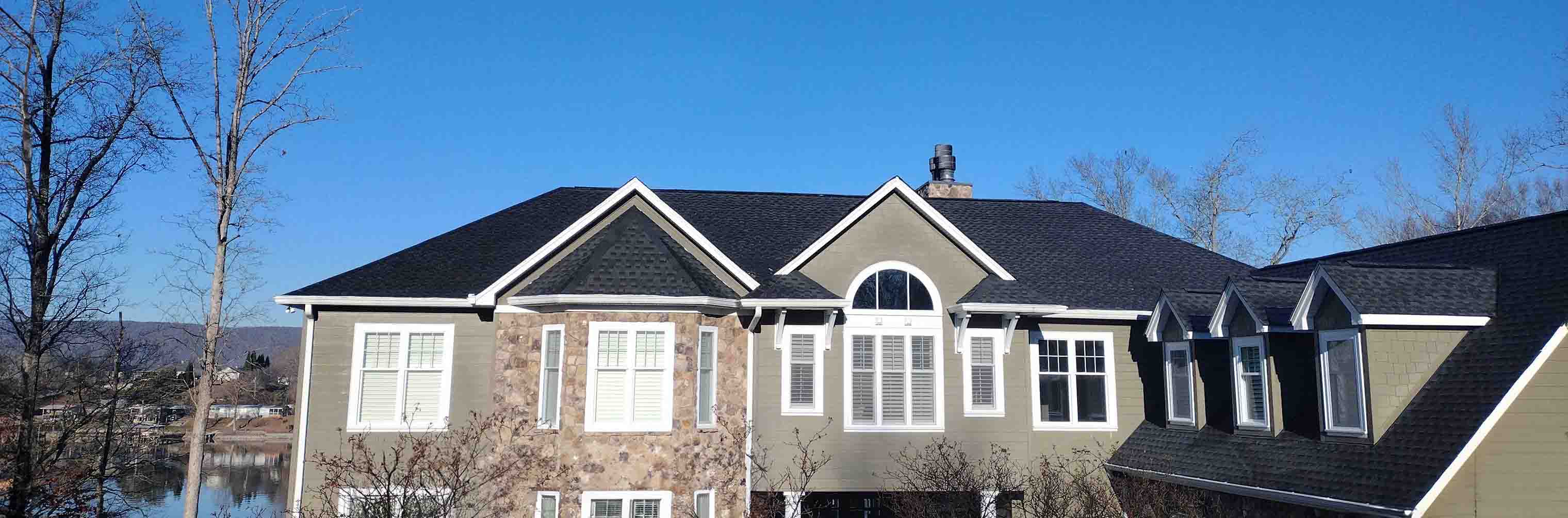

Aging Flashing
Your trusted partner for professional home services. Quality workmanship, guaranteed satisfaction.

Aging Flashing | Roof Inspections | Roofing | Johnson City
Is the metal flashing around your chimney curling, rust-specked, or pulling away from the shingles? Aging flashing is one of the fastest ways for water to sneak beneath a roof, and in Johnson City our mix of pounding summer storms and icy winter snaps makes the problem worse. HEP’s seasoned technicians uncover hidden weaknesses with thorough roof inspections, pinpointing spots where flashing has cracked, loosened, or failed entirely—before leaks stain ceilings or rot decking.
Schedule a visit and we’ll climb up, camera in hand, to give you clear photos, straightforward explanations, and practical repair options. From minor resealing to a full flashing replacement, we treat your home like our own, backing every fix with courteous service and local know-how. Let HEP restore your peace of mind and keep Johnson City’s weather where it belongs—outside.
FAQs
What is roof flashing, and why does it age faster in Johnson City’s climate?
Flashing is the thin, waterproof metal (usually galvanized steel, aluminum, or copper) installed around chimneys, vents, valleys, skylights, and roof edges to direct water away from seams. Johnson City experiences four distinct seasons, frequent freeze-thaw cycles in winter, heavy spring rains, and intense summer UV exposure. These conditions cause metal expansion and contraction, corrosion, and sealant breakdown, so flashing here often ages faster than in milder climates.
How can I tell if my flashing is failing or needs replacement?
Common warning signs include rust or pitted metal, cracked caulk or dried-out tar around the flashing edges, lifted or missing sections, water stains on interior ceilings or attic rafters, and shingle granule loss near flashing lines. During a rainstorm, you might also notice drips or damp insulation in the attic around chimneys or vents. Any of these signs warrant a professional inspection before leaks worsen.
How often should I schedule a roof inspection to monitor aging flashing?
For most homes in Johnson City, a professional roof inspection once a year is recommended, ideally each fall before winter weather sets in. If your roof is over 15 years old, has experienced hail or high-wind events, or you see visible flashing damage, schedule an additional inspection right away. Regular inspections catch minor flashing issues early, saving you from costly structural repairs later.
What damage can neglected flashing cause?
Compromised flashing allows water to seep under shingles and into roof decking, leading to mold growth, rotted wood, ruined insulation, ceiling stains, and electrical hazards. Leaks around chimneys or walls can also degrade brick mortar or siding. Over time, unchecked water intrusion can weaken load-bearing components, creating safety risks and dramatically increasing repair costs.
What is included in a professional flashing inspection in Johnson City, and how long does it take?
A certified technician will: (1) examine all flashing points—chimneys, step flashing along walls, valleys, drip edges, pipe boots, and skylights; (2) check for rust, loose fasteners, punctures, or degraded sealants; (3) inspect adjacent shingles for granule loss or curling; (4) review attic spaces for hidden moisture; and (5) provide photos and a written report with repair recommendations. A typical single-family home inspection takes 60–90 minutes, depending on roof complexity.
What does it cost to repair or replace aging flashing, and is it covered by insurance?
In Johnson City, minor repairs such as resealing or replacing a small section of step flashing can run $150–$400. Full chimney re-flashing averages $500–$1,000, while valley or perimeter flashing replacement can range from $1,000–$2,500, depending on roof size and metal type. Homeowner insurance may cover costs if the damage is caused by a covered peril—such as hail or wind—rather than normal wear and tear. A detailed inspection report helps when filing a claim.