
Scorching Summers
Your trusted partner for professional home services. Quality workmanship, guaranteed satisfaction.

Scorching Summers | Metal Roofing | Roofing | Johnson City
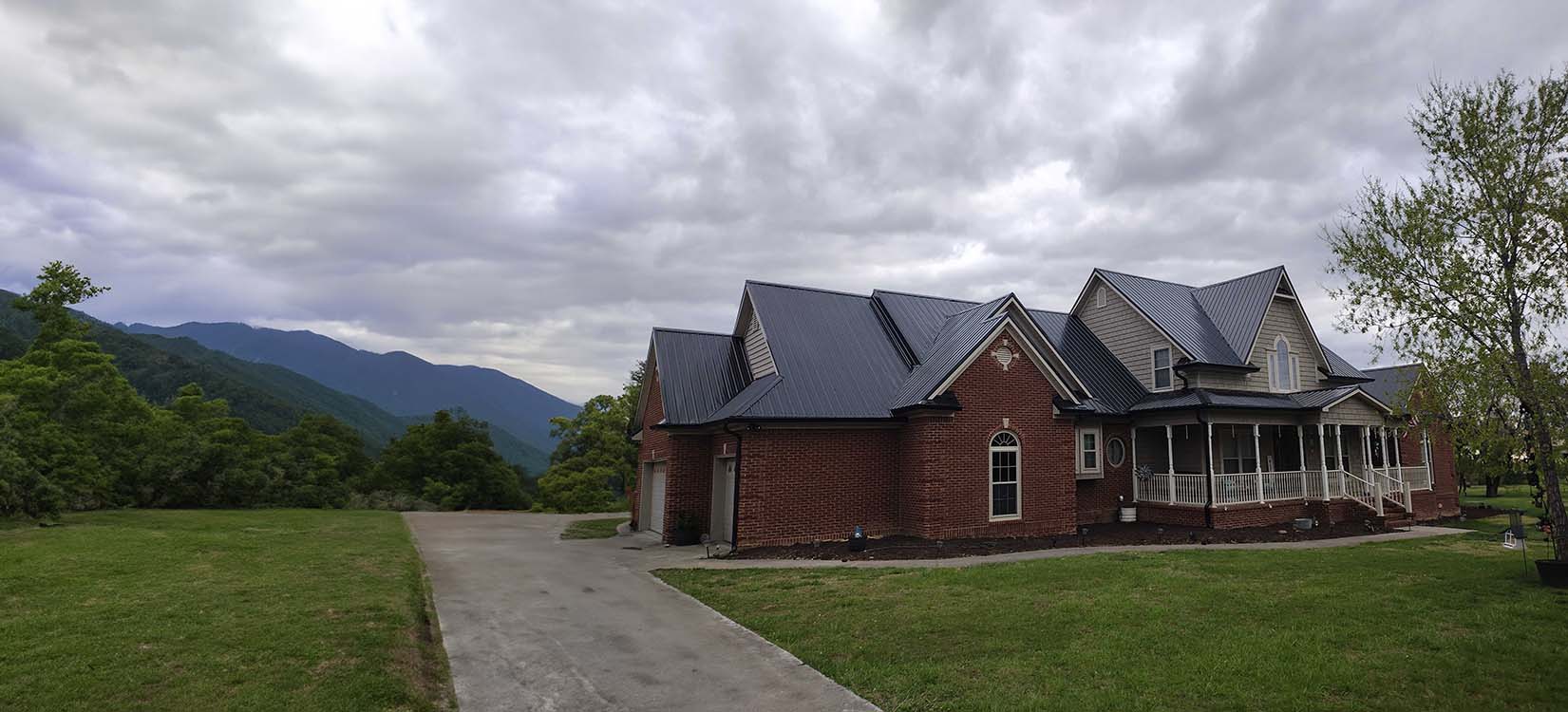
When Johnson City’s temperatures start to rise, you need a roof that shrugs off the sun instead of soaking it in. HEP’s scorching summers roofing specialists install metal roofing that reflects brutal UV rays, keeps attic spaces cooler, and slashes cooling costs so your home feels refreshingly calm even on 95-degree days. Each panel is engineered to withstand sudden thunderstorms, hail, and high winds, giving you the peace of mind that comes from superior strength paired with bold curb appeal.
From the initial inspection to the final fastener, our local crew treats your property like their own, showing up on time, communicating clearly, and leaving the jobsite spotless. Choose from modern standing-seam profiles or classic ribbed designs, all backed by industry-leading warranties and the responsive service Johnson City homeowners have trusted for decades. Ready to beat the heat while boosting home value? Talk with HEP today and discover how metal roofing delivers cool comfort for many summers to come.
FAQs
Why is metal roofing a smart choice for Johnson City’s scorching summers?
Metal roofing is engineered to reflect a high percentage of the sun’s radiant heat, keeping attic temperatures lower than most traditional roofing materials. In Johnson City, where summer highs regularly push past 90°F with high humidity, this reflective ability helps maintain a cooler interior, reduces HVAC strain, and prolongs roof life because metal is less prone to heat-related cracking or curling.
Will a metal roof really lower my cooling bills during extreme heat?
Yes. Independent studies by the Metal Construction Association show that a properly installed, light-colored, cool-coated metal roof can decrease summer cooling demand by 10–25 %. The specialized pigments in cool-roof coatings reflect infrared and UV rays, lowering attic temperatures by as much as 40°F. Over the course of a Johnson City summer, many homeowners see tangible savings on their monthly electric bills and may also qualify for local energy-efficiency incentives.
Does a metal roof make my home louder when the sun is beating down?
No. While bare metal can ping during rapid temperature swings, a finished residential metal roof is installed over solid sheathing, an underlayment, and often attic insulation. These layers dampen expansion-contraction noises, so you will not hear creaking or popping inside the living space. In fact, metal roofs are often quieter than asphalt shingles during both heat cycles and rainstorms.
How do color and coating affect metal-roof performance in hot climates?
Lighter colors—such as white, light gray, beige, and cool-metallic finishes—reflect more solar energy, keeping roof surface temperatures up to 50°F cooler than dark shades. Premium Kynar 500® or SMP cool-roof coatings add infrared-reflective pigments that boost reflectivity without restricting you to pale colors. Choosing an ENERGY STAR-rated color can maximize rebates while ensuring optimal thermal performance in Johnson City’s intense summer sun.
What ventilation or underlayment is best beneath a metal roof in Johnson City?
A breathable synthetic underlayment with a high temperature rating (250°F or higher) is recommended to withstand metal-roof surface temperatures. Pair this with a well-balanced ridge-and-soffit ventilation system that delivers at least 1 sq ft of net free airflow per 300 sq ft of attic floor. Proper airflow evacuates trapped heat and moisture, preventing mold, reducing cooling costs, and maintaining manufacturer warranties.
How much more does a metal roof cost than asphalt shingles, and is it worth it for our climate?
Installed costs in Johnson City typically range from $8–$14 per sq ft for standing-seam or high-end metal shingles, compared with $4–$6 per sq ft for architectural asphalt. While upfront investment is higher, metal offers a 40–70-year service life—two to three times longer than asphalt—plus lower cooling bills, potential insurance discounts, higher resale value, and virtually no heat-related maintenance. Over 20–30 years of scorching summers, most homeowners find the life-cycle cost of metal to be equal to or lower than asphalt.