
High Winds
Your trusted partner for professional home services. Quality workmanship, guaranteed satisfaction.

High Winds | Metal Roofing | Roofing | Johnson City
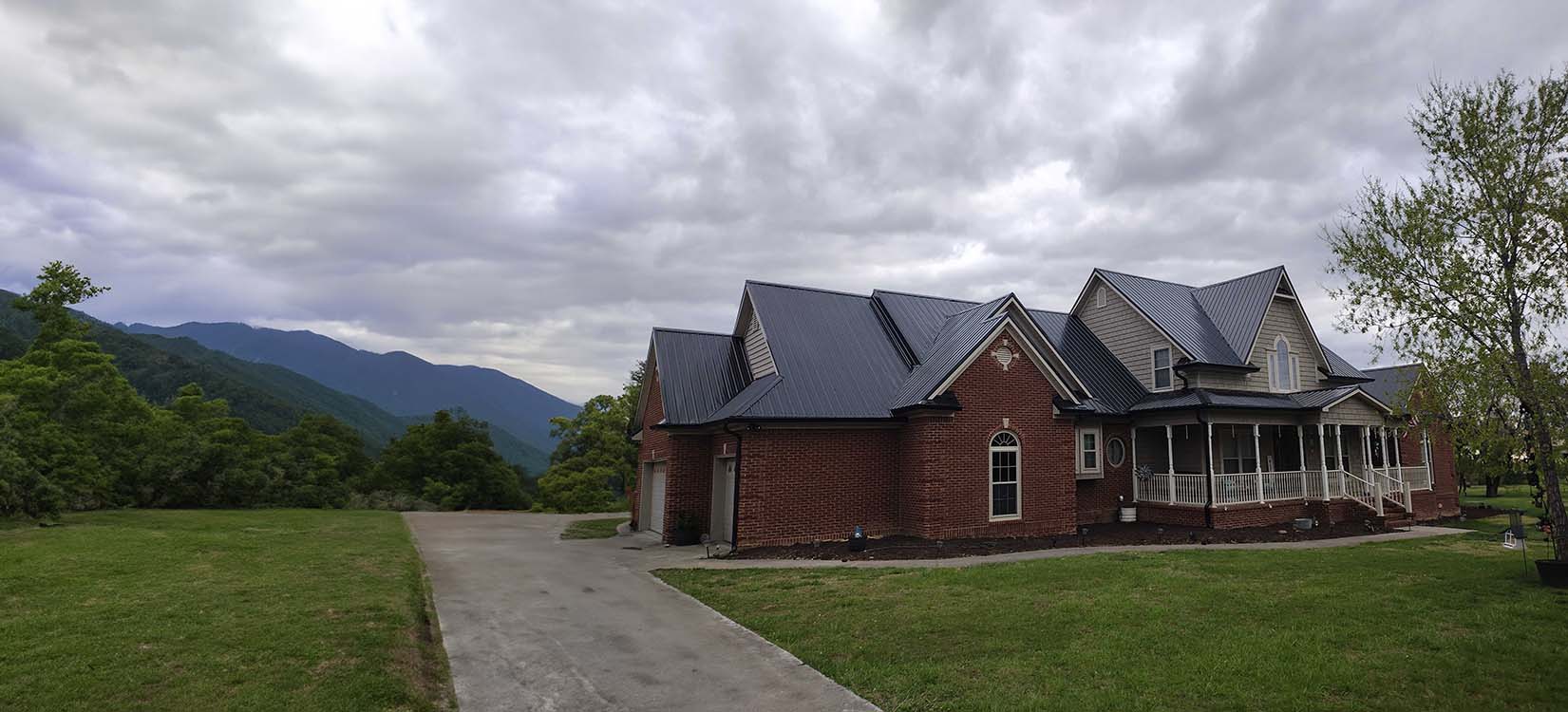
When Appalachian gusts start howling through Johnson City, homeowners want more than just curb appeal—they want peace of mind. HEP’s high winds roofing specialists engineer installations that lock tight against fierce drafts, pelting debris, and sideways rain. From precision-sealed seams to corrosion-resistant finishes, every panel is chosen for resilience and fitted with hardware rated well above local code, so your home stays quiet, dry, and secure even when the trees are swaying.
Beyond strength, our crews deliver the clean, polished look that only metal roofing can offer. Cool-reflective coatings help lower summer energy bills, while bold color options elevate your exterior style for decades without fading. Backed by industry-leading warranties and a team that treats your property like their own, HEP turns storm season into just another beautiful day in East Tennessee.
FAQs
Why is metal roofing recommended for high-wind areas like Johnson City?
Metal panels are mechanically fastened to the roof deck and interlock along all edges, creating a continuous, rigid surface that resists wind uplift far better than loosely bonded materials such as asphalt shingles. In Johnson City, where sudden gusts funnel through the Appalachian foothills, a properly engineered metal roof delivers the strength, low weight, and flexibility needed to shed wind loads without cracking, curling, or losing pieces.
What wind speeds can your metal roofing systems withstand?
Our standing-seam and exposed-fastener metal systems are tested to ASTM E1592 and UL 580/1897 standards and can be specified to resist 140–165 mph sustained winds, equivalent to a high Category 4 hurricane. The exact rating depends on panel profile, gauge, and fastening pattern; we will select a system that meets or exceeds the 3-second gust design wind speed specified for Washington County’s building code (currently 115 mph) plus a generous safety margin.
How does the installation process ensure resistance to uplift during storms?
We use a three-part strategy: (1) a solid, screwed-down plywood or metal deck provides a stable substrate; (2) high-strength fasteners or concealed clips are placed at intervals dictated by engineering tables, with closer spacing along eaves and ridges where uplift is greatest; and (3) continuous ridge, hip, and eave trims are sealed with butyl tape and mechanically seamed to lock panels together. Every fastener row is inspected for correct torque, and all edge flashings are anchored to blocking so wind cannot find a weak point to pry under.
Are there local building codes or regulations for wind-resistant roofing in Johnson City?
Yes. Johnson City follows the 2018 International Residential Code (IRC) and International Building Code (IBC) with local amendments. For roofs, the codes reference ASCE 7-16 for wind design. This sets a minimum 115 mph 3-second gust wind speed for most residential structures. Our metal roofing packages come with engineer-stamped drawings and load calculations to show compliance, which speeds permit approval and protects you during insurance claims.
How does metal roofing compare to asphalt shingles in durability and maintenance after wind events?
A 24- or 26-gauge steel roof has a tensile strength roughly four times higher than fiberglass-reinforced shingles. Unlike shingles, metal panels have no tabs to lift or granules to erode, so post-storm inspections typically reveal no damage other than possible cosmetic scratches that can be touched up. Shingle roofs, by contrast, may lose entire courses, require emergency tarping, and accelerate underlayment decay. Over a 40- to 60-year service life, the cumulative savings on repairs and premiums often offset the initial cost difference.
What warranties and maintenance plans do you offer for high-wind metal roofs?
We provide a 40- to 50-year manufacturer’s finish warranty against fade and chalk, a 25-year weathertightness warranty covering leaks caused by wind-driven rain, and a 5-year workmanship warranty on installation. Annual maintenance is simple: visual inspection, removal of debris from valleys and gutters, and tightening any exposed fasteners if needed. We offer an optional maintenance contract under which our technicians perform these tasks each spring and document roof condition for insurance purposes.