
Cooling Costs
Your trusted partner for professional home services. Quality workmanship, guaranteed satisfaction.

Cooling Costs | Metal Roofing | Roofing | Johnson City
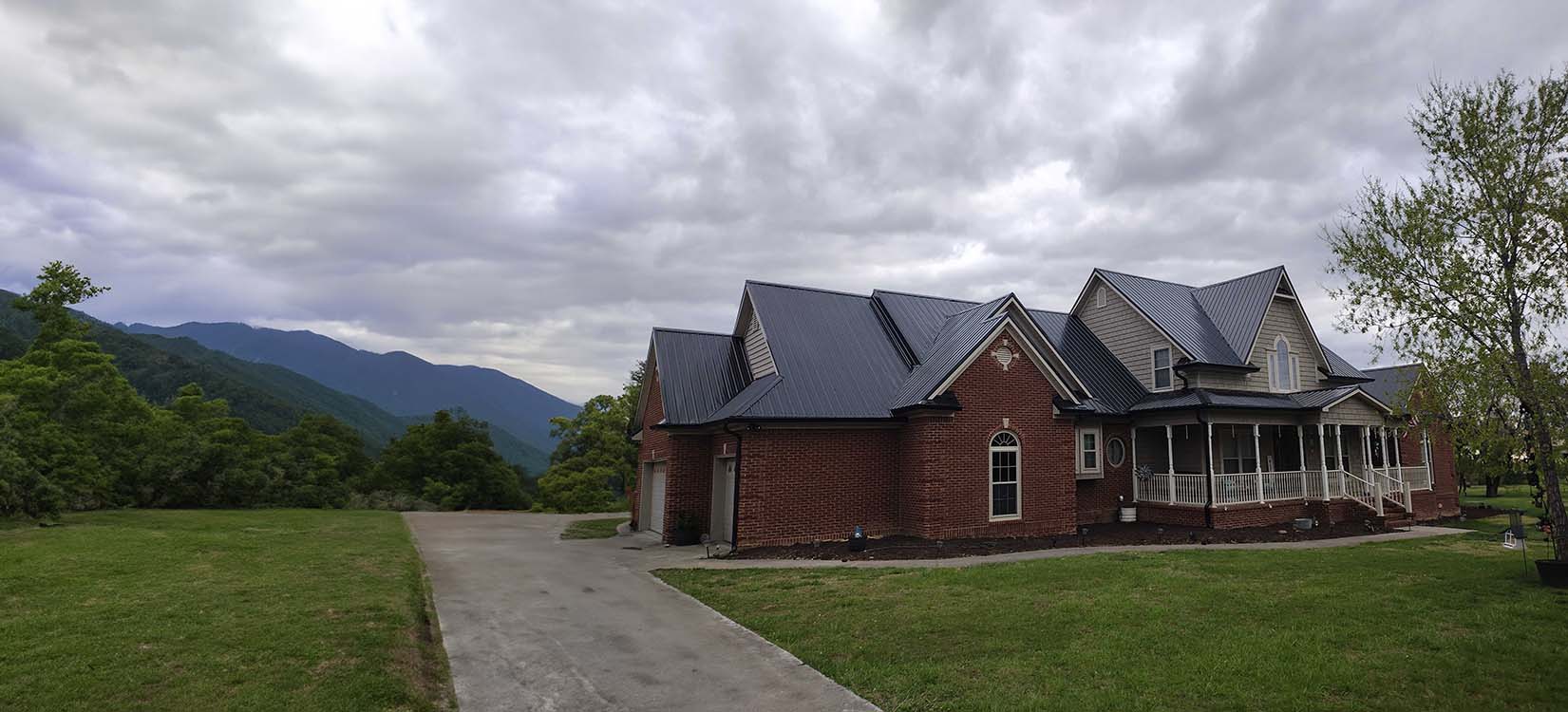
Johnson City’s sun-soaked summers can drive energy bills sky-high, yet homeowners are discovering how quickly those costs fall when their homes are protected by metal roofing. The tightly interlocking panels reflect a significant portion of radiant heat, keeping attic temperatures lower and HVAC systems from working overtime. With a spectrum of contemporary colors and profiles, you gain curb appeal while enjoying measurable savings month after month.
HEP’s local roofing team installs each system with precision, sealing out moisture, wind, and UV damage for decades of low-maintenance comfort. Backed by industry-leading warranties and our neighbor-to-neighbor service philosophy, we make upgrading to metal roofing simple—from the first free estimate to the final inspection. Choose the cooler, tougher roof that’s built for Johnson City and watch your energy bills shrink along with summertime stress.
FAQs
How does a metal roof help lower cooling costs in Johnson City’s warm, humid summers?
Modern metal panels are manufactured with high solar reflectance and thermal emissivity. They bounce a large portion of the sun’s infrared heat back into the atmosphere while quickly releasing any heat they do absorb. Because less heat is transferred into your attic, your air-conditioning system runs fewer cycles, which translates into lower electric bills during Johnson City’s long cooling season.
Will the color or coating of my metal roof affect my energy savings?
Yes. Light-colored or specially formulated "cool roof" coatings can reflect 60-70 % of solar energy. Even darker colors can be engineered with infrared-reflective pigments that outperform traditional asphalt shingles. Always look for products that carry Cool Roof Rating Council (CRRC) or ENERGY STAR® certification to maximize reflectivity and, in turn, reduce cooling costs.
How much can I realistically save on energy bills after installing a metal roof?
Savings vary with attic insulation, roof slope, and HVAC efficiency, but most Johnson City homeowners report 10–25 % lower summer electricity bills compared with their previous asphalt roof. Independent Oak Ridge National Laboratory studies show metal roofs can cut peak cooling demand by up to 15 %. Over the 50-year life span of a metal roof, that can mean thousands of dollars in avoided utility costs.
Are there any tax credits or local incentives for energy-efficient metal roofing in Tennessee?
Yes. ENERGY STAR–certified metal roofs with qualifying pigmented or reflective coatings are eligible for the federal Residential Clean Energy tax credit—30 % of material costs (up to $1,200 per year through 2032). Several Tennessee Valley Authority (TVA) power companies also offer seasonal rebates or low-interest financing for cool-roof upgrades. Check with Johnson City Power Board and your tax advisor for the latest program details.
Does adding insulation or a radiant barrier under a metal roof make a noticeable difference?
Absolutely. Installing a vented air gap, rigid foam, or a low-emissivity (low-E) radiant barrier beneath the metal panels can reduce heat flow into the attic by another 5–10 %. The combination of above-deck ventilation, reflective metal, and proper insulation delivers the best return on investment for cutting cooling loads in our climate zone.
Won’t a metal roof make my house hotter because metal conducts heat?
It’s a common misconception. While metal conducts heat quickly, its high reflectivity and the small airspace between the panels and the roof deck allow it to shed heat just as fast. Once the sun sets, a metal roof cools down more rapidly than asphalt shingles, so your attic temperature drops sooner in the evening, extending cooling-cost savings into nighttime hours.