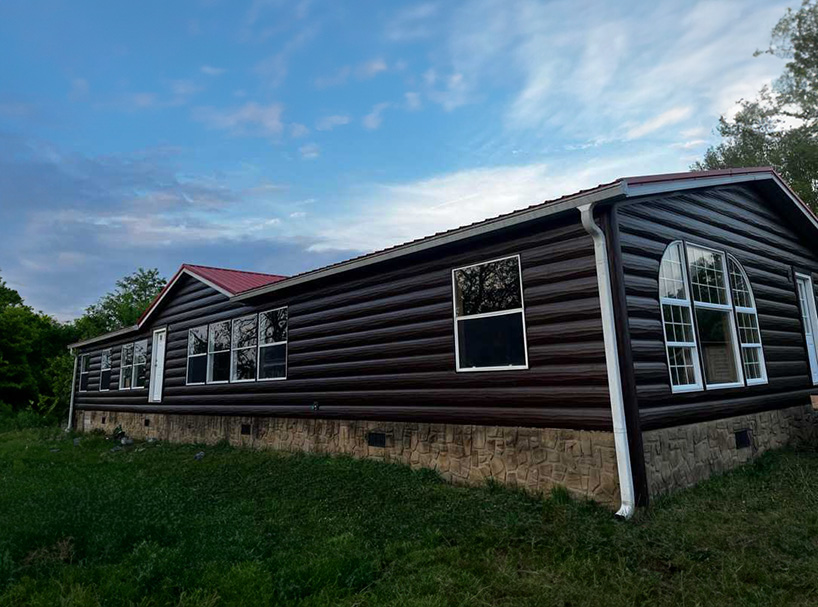

Insulated Vinyl
Your trusted partner for professional home services. Quality workmanship, guaranteed satisfaction.

Insulated Vinyl | Siding Solutions | Roofing | Elizabethton
When Elizabethton’s crisp mountain air turns blistering or bitter, HEP keeps homes comfortable and eye-catching with insulated vinyl roofing that locks in energy savings while adding fresh, modern style. Our crew installs panels engineered to stand up to high winds, driving rain, and UV rays, so you enjoy year-round protection without the constant upkeep of traditional materials. The result is a quieter, cozier interior—and an exterior that turns heads on every street in Carter County.
Pair that performance with our expert siding solutions and you’ve got a seamless shield built for Tennessee’s toughest seasons. From the first free estimate to the final walkthrough, HEP’s licensed, factory-trained pros handle every detail, treating your property like their own. Ready to boost curb appeal, lower utility bills, and relax under a roof that works as hard as you do? Call, click, or drop by today, and let’s make your upgrade happen.
FAQs
What exactly are insulated vinyl roofing and siding, and how do they differ from standard vinyl products?
Insulated vinyl siding has a rigid foam backing that is permanently laminated to the back of each panel, while insulated vinyl roofing incorporates a similar foam core beneath a vinyl or vinyl-coated metal surface. The insulation layer increases thermal resistance (R-value), stiffens the panels so they lay flatter, and dampens outside noise. Traditional vinyl siding or roofing panels contain no built-in insulation, so they rely on housewraps or attic insulation alone for energy performance.
How well do insulated vinyl products handle Elizabethton’s weather conditions?
Elizabethton experiences humid summers, moderate rainfall, and occasional winter cold snaps. Insulated vinyl siding and roofing are engineered to expand and contract without cracking, resist moisture absorption, and withstand winds up to 160 mph (depending on the profile). The added foam core prevents temperature-driven warping, and the exterior vinyl skin is UV-stabilized to prevent fading even under strong Appalachian sunshine.
What kind of energy savings can I expect after installing insulated vinyl siding or roofing?
Because the foam backing reduces thermal bridging through wall studs and roof decking, homeowners typically see a 10-20 % reduction in annual heating and cooling costs. In a 2,000 sq ft Elizabethton home, that can translate to $200-$400 in yearly utility savings. The improvement also increases indoor comfort by keeping wall and ceiling surfaces warmer in winter and cooler in summer.
Are insulated vinyl roofing and siding low-maintenance and durable?
Yes. The vinyl surface never needs painting and cleans up with a garden hose. The foam backing prevents dents and hail damage far better than hollow vinyl panels. Most manufacturers provide lifetime limited warranties covering color fade, hail impact, and wind damage. With occasional washing, the systems routinely last 30-40 years.
What color and style options are available for insulated vinyl products?
Insulated vinyl siding comes in horizontal lap, Dutch lap, vertical board-and-batten, and shingle styles, with over 30 factory colors ranging from classic whites to deep earth tones. Insulated vinyl roofing panels can mimic standing-seam metal, shake, or slate, and are offered in reflective Cool Roof colors that qualify for ENERGY STAR® credits. Trim, soffit, and gutter accessories are color-matched for a cohesive look.
What is the installation process, and will it disrupt my existing structure?
Our certified Elizabethton crews first inspect and repair any underlying sheathing, wrap walls with a moisture barrier, then fasten the insulated vinyl panels using manufacturer-approved clips that allow controlled movement. For roofing, we lay an ice-and-water membrane, install the insulated panels, and finish with matching ridge and hip caps. Most siding projects finish in 3-5 days and roofing in 1-2 days, with minimal disturbance to landscaping or interior living spaces.